
Amr Ibn Al-Aas Life Legacy and Historical Significance

Amr Ibn Al-Aas was a prominent military leader and politician during the early days of Islam, known for his strategic prowess and administrative skills. Born around 573 CE in Mecca, he played a vital role in the expansion of the Islamic state, particularly during the conquests of Egypt and Syria. His legacy is further immortalized by the Mosque of Amr Ibn Al-Aas, the first mosque built in Egypt, which stands as a testament to his influence. This article delves into the life of Amr Ibn Al-Aas, examining his early life, military career, governance, and lasting impact on Islamic history.
Early Life and Military Career Amr Ibn Al-Aas
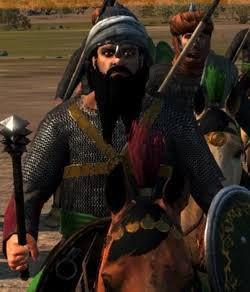
Amr Ibn Al-Aas was born into the Banu Sahm clan of the Quraysh tribe around 573 CE in Mecca, Hejaz. He belonged to a noble lineage and was known for his intelligence and charisma from a young age. Initially, Amr was a merchant and a talented orator, but his life took a significant turn upon the advent of Islam.
He converted to Islam around 615 CE and quickly became a close companion of the Prophet Muhammad. His dedication to the cause of Islam led him to participate in several early military campaigns, including the Battle of Uhud and the Battle of the Trench, where he proved his mettle as a warrior and strategist.
Governor of Palestine and the Syrian Conquest
After the death of Prophet Muhammad in 632 CE, Amr Ibn Al-Aas played a crucial role in the early Islamic conquests. He was appointed governor of Palestine, where he led the Islamic army in key victories against the Byzantines. Notable battles during this period included:
– Battle of Ajnadayn (634 CE): A decisive victory that opened up southern Palestine for the Muslim forces.
– Battle of Yarmouk (636 CE): A pivotal encounter that resulted in the collapse of Byzantine power in Syria.
These victories established Amr as one of the foremost military leaders of his time, paving the way for further expansions into Egypt.

First Governorship of Egypt Amr Ibn Al-Aas
- Conquest of Egypt
In 639 CE, Amr Ibn Al-Aas initiated the conquest of Egypt, which was strategically significant for the Islamic state. His campaign began with the capture of Pelusium, a crucial port city on the northeastern border, followed by a decisive assault on Alexandria in 640 CE. The fall of these cities marked the beginning of Islamic rule in Egypt.
- Expeditions in Cyrenaica and Tripolitania
Following the successful conquest of Egypt, Amr extended Islamic control into neighboring regions, including Cyrenaica and Tripolitania (modern-day Libya). These expeditions were not just military in nature; they aimed to consolidate power and spread Islam further into North Africa.
- Administration of Egypt
Once established in Egypt, Amr Ibn Al-Aas focused on governance. He founded Fustat, which became the capital of Islamic Egypt, and implemented administrative reforms:
– Taxation: He introduced a fair taxation system that considered the local population’s needs.
– Infrastructure: Amr worked on improving the infrastructure, including roads and water supply systems.
These reforms not only solidified his rule but also endeared him to the local populace.
Continue Reading: More Egypt Travel Guides :
- Discover the Golden Age of The New Kingdom of Ancient Egypt
- Alexander the Great: His Life, Conquests, and Legacy
- Alexandria Sights to Visit
Dismissal and Aftermath Amr Ibn Al-Aas
Despite his successes, political tensions arose during the caliphate of Uthman ibn Affan, leading to Amr’s dismissal in 656 CE. His political career did not end there, as he became involved in the First Fitna, a civil discord that arose after Uthman’s assassination. Amr’s strategic position during this turbulent period highlighted his significance in the unfolding events of early Islamic governance.
Conflict with Uthman
Amr Ibn Al-Aas was not without enemies, particularly during Uthman’s reign. He openly criticized Uthman’s governance, especially regarding favoritism and the management of resources. His dissent culminated in his involvement in the events leading to Uthman’s assassination in 656 CE. The conflict between Amr and Uthman showcased the internal strife within the early Islamic community, which would have lasting repercussions.
Alliance with Mu’awiya
Following Uthman’s death, Amr allied himself with Mu’awiya ibn Abi Sufyan, the governor of Syria, against Caliph Ali. This strategic partnership was instrumental during the Battle of Siffin, where Amr played a crucial role in the negotiations that led to arbitration, further complicating the political landscape of the nascent Islamic state.
Reestablishment in Egypt Amr Ibn Al-Aas
After the tumultuous period of Ali’s caliphate and subsequent conflicts, Amr Ibn Al-Aas was able to regain his governorship in Egypt. His second term was marked by continued efforts to stabilize and administer the region effectively until his death. His governance contributed to the consolidation of Islamic authority in Egypt, ensuring its importance in the Islamic world.
Death and Legacy Amr Ibn Al-Aas
Amr Ibn Al-Aas passed away around 664 CE, leaving behind a complex legacy as both a military leader and an administrator. He was buried in the Muqattam hills, where his grave remains a site of historical significance. His reputation as a formidable strategist and tactician cemented his status in Islamic history, with his contributions continuing to be studied and admired.
Descendants Amr Ibn Al-Aas
The influence of Amr Ibn Al-Aas extended beyond his lifetime through his descendants, who continued to play significant roles in Islamic governance. His family maintained political relevance, contributing to the administration and military leadership in various capacities throughout Islamic history.
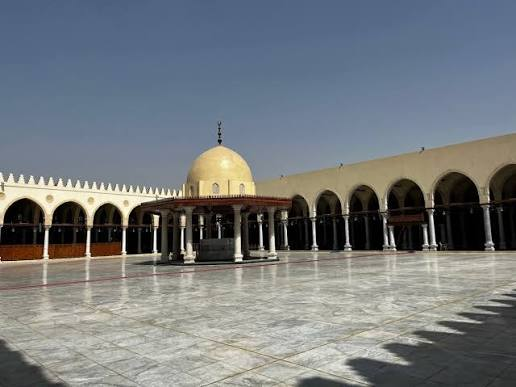
The Mosque of Amr Ibn Al-Aas
Location
The Mosque of Amr Ibn Al-Aas is located in Al-Fustat, Old Cairo. This historic mosque is not only a place of worship but also a symbol of Amr’s legacy and the early Islamic presence in Egypt.
Historical Significance
Constructed shortly after the conquest of Egypt, the mosque holds a pivotal place in Islamic history as the first mosque built on African soil. It served as a central hub for the Muslim community and played a crucial role in the spread of Islam in the region.
Your Next Egyptian Adventure Starts Here :
- Salah Ad-Din The Heroic Leader Who Shaped Egypt
- The Ramesseum: A Comprehensive Guide to the Mortuary Temple of Ramesses II – Bright Egypt Travel
Architectural Evolution
Over the centuries, the Mosque of Amr Ibn Al-Aas has undergone several renovations and expansions, reflecting various architectural styles and influences. Originally built with simple materials, it has evolved into a more complex structure, showcasing the rich history of Islamic architecture.
Opening Hours
Visitors can explore the mosque daily, with specific opening hours to accommodate tourists and worshippers alike. It’s advisable to check local timings before planning a visit.
What to Do (Step-by-Step)
– Plan Your Visit: Check the mosque’s opening hours and any special events.
– Dress Appropriately: Ensure you are dressed modestly as a sign of respect.
– Explore the Architecture: Take time to appreciate the mosque’s intricate designs and historical significance.
– Learn About Its History: Engage with guides or literature available at the mosque to better understand its background.
– Participate in Prayers: If you wish, join the local community in prayer to experience the cultural and spiritual ambiance.
Amr Ibn Al-Aas remains a pivotal figure in Islamic history, recognized for his military acumen and administrative capabilities. His contributions to the expansion and governance of early Islamic states have left a lasting impact, while the Mosque of Amr Ibn Al-Aas stands as a monumental symbol of his legacy. Understanding his life offers valuable insights into the formative years of Islam and the complexities of its early leaders. Embrace the opportunity to learn more about this remarkable historical figure and visit the mosque that honors his memory.
Book Your Luxury Egypt Adventure Today
True travel is about discovering the perfect balance between vibrant energy and elegant peace. Wandering through ancient, sunlit streets, watching timeless landscapes glide by, and standing atop breathtaking architectural landmarks offers a sophisticated look into a nation’s magnificent cultural renaissance.
At Bright Egypt Travel, we excel at turning standard sightseeing into deeply memorable, luxury cultural journeys. From handling all your private transfers in absolute comfort to pairing you with passionate expert guides, we manage the details so you can enjoy the pure magic.
Book Your Premium Guided Luxury Tour Now: +201032707611
Contact via WhatsApp: Connect directly with Bright Egypt Travel today and elevate your holiday to the height of luxury!


