
El Kharga Oasis Travel Guide | History & Desert Heritage

El Kharga Oasis, nestled in the Western Desert of Egypt, is a captivating destination that merges breathtaking natural beauty with deep historical significance. As one of Egypt’s largest oases, it serves as a vital hub for travelers and historians alike. The oasis boasts a unique contrast to the surrounding arid landscapes, characterized by palm trees and fertile lands.
Historically, El Kharga has played a crucial role along ancient trade routes, facilitating commerce and cultural exchange between Egypt and neighboring regions. This oasis has been home to numerous civilizations, from the ancient Egyptians to the Romans, each contributing to its rich tapestry of history and culture.
Climate and Geography in El Kharga Oasis
El Kharga Oasis experiences a hot desert climate, with extremely hot summers and mild winters. Daytime temperatures can exceed 40°C (104°F) in the summer months, while winter nights can drop to around 5°C (41°F). Rainfall is scarce, averaging less than 20mm per year, primarily between November and March. This dry climate fosters a unique landscape, featuring a mix of sandy deserts and lush greenery sustained by underground springs.
Geographic Features
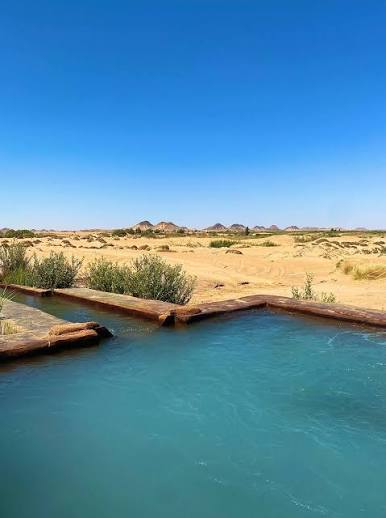
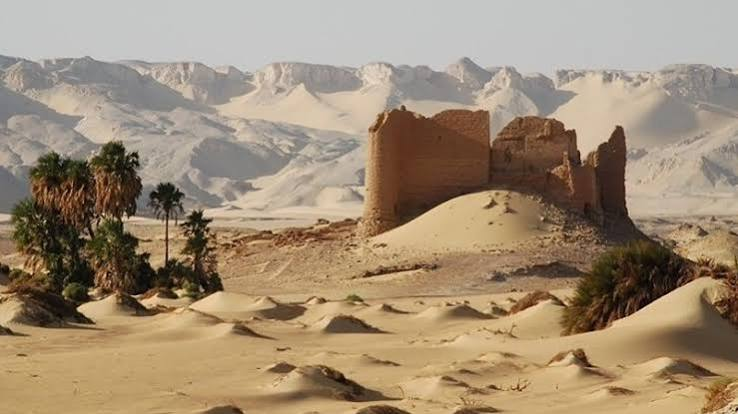
The geography of El Kharga Oasis is characterized by undulating sand dunes and flat plains. As part of the larger Western Desert, it is rich in mineral resources and has been the site of several archaeological excavations. Natural springs contribute to its fertility, enabling agriculture and the cultivation of date palms, which play a significant role in the local economy.
Continue Reading: More Egypt Travel Guides :
- Hurghada Travel Guide 2026 | Red Sea Resorts & Diving
- The Complete Farafra Oasis Travel Guide 2026
Historical Significance in El Kharga Oasis
El Kharga Oasis boasts a rich history that dates back to ancient times. It served as a strategic location along the Darb El Arba’īn Caravan Route, connecting Egypt with Sudan and beyond. This route facilitated trade and cultural exchanges, allowing for the movement of goods such as gold, ivory, and spices.
Darb El Arba’īn Caravan Route
The Darb El Arba’īn, or “Forty Days Road,” derived its name from the time it took to traverse the route. It was instrumental in the movement of caravans and travelers, transforming El Kharga into a bustling site of commerce and interaction. Today, remnants of this ancient trade route, including various caravanserais, can still be observed.
Attractions in El Kharga Oasis
El Kharga Oasis is home to several remarkable attractions that highlight its archaeological and cultural heritage. Visitors can explore ancient temples and unique artifacts that provide a glimpse into its storied past.
Temple of Hibis
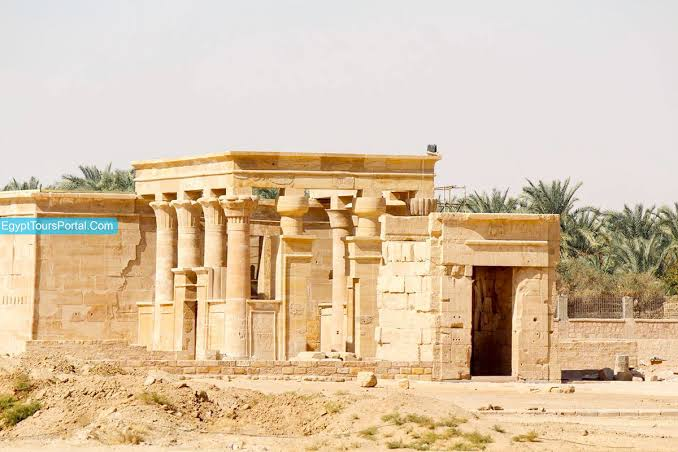
The Temple of Hibis is one of the most significant archaeological sites in El Kharga. Constructed during the 26th Dynasty of Egypt, this temple is dedicated to the god Amun and features stunning reliefs and inscriptions. Visitors can admire the well-preserved columns and intricate carvings that adorn the temple.
El Bagawat
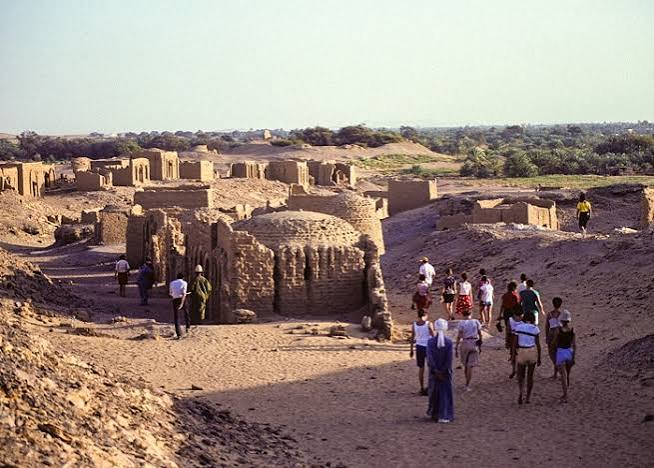
Another highlight of El Kharga is El Bagawat, a vast cemetery that dates back to the early Christian era. It is renowned for its numerous Coptic tombs, with over 260 structures showcasing unique frescoes and inscriptions. El Bagawat is essential for understanding the evolution of religious practices in the region.
Dush
Dush, an ancient city within the oasis, invites visitors to explore the remnants of Roman and Coptic architecture. The site features various temples, including those dedicated to the goddess Isis. The ruins offer fascinating insights into the daily lives of the inhabitants and their interactions with neighboring cultures.
Unique Artifacts: Meteorite Dagger
Among the artifacts unearthed in El Kharga is the famed Meteorite Dagger, an ancient weapon crafted from a meteorite. This unique item exemplifies the advanced skills of ancient craftsmen and is a must-see for archaeology enthusiasts.
Your Next Egyptian Adventure Starts Here :
- Ultimate Guide to the Mövenpick MS Darakum Nile Cruise 2026
- El Dakhla Oasis | A Comprehensive Guide 2026
- Egypt Visa on Arrival – Bright Egypt Travel
Demographics and Culture in El Kharga Oasis
El Kharga Oasis is home to a diverse population that reflects a rich cultural tapestry. The majority of residents are Egyptians, with various ethnic groups contributing to the cultural landscape.
Population and Ethnic Groups
The population of El Kharga is approximately 30,000, with many residents engaged in agriculture, trade, and tourism. The oasis’s cultural diversity is expressed through festivals, food, and traditional crafts influenced by the various civilizations that have inhabited the region over millennia.
Cultural Influences and Traditions
Cultural influences in El Kharga can be traced back to its ancient past. The oasis hosts several traditional festivals throughout the year, celebrating local customs and agricultural practices. Crafts such as pottery, weaving, and date palm products are prominent, with local artisans showcasing their skills at markets and festivals.
Transportation in El Kharga Oasis
Accessibility to El Kharga Oasis has improved significantly in recent years, enhancing its appeal as a travel destination.
Accessibility and Travel Options
Visitors can reach El Kharga by road or air. The oasis is connected to major cities like Luxor and Aswan via a network of highways. Additionally, there is an airport in Kharga that offers domestic flights. Renting a car or joining a guided tour can enhance the exploration experience.
Historical Transport Methods
Historically, transportation in El Kharga relied heavily on camel caravans, used for trade and travel across desert routes. Today, remnants of these ancient paths can still be found, providing a glimpse into the region’s past.
Travel Tips and Accommodations
When planning a trip to El Kharga Oasis, consider the following travel tips to ensure a smooth experience.
Suggestions for Visitors
- Best Time to Visit: The ideal time to visit El Kharga is from October to March when temperatures are more comfortable for exploration.
- Local Cuisine: Don’t miss the chance to try local dishes, including traditional Egyptian fare like koshari and grilled meats, often served with fresh bread.
- Cultural Etiquette: Respect local customs, especially when visiting religious sites. Dress modestly and be mindful of cultural practices.
Recommended Accommodations and Services
Several accommodations cater to visitors in El Kharga, ranging from hotels to guesthouses. Popular choices include:
- Karnak Hotel: A comfortable hotel with modern amenities and a welcoming atmosphere.
- El Kharga Oasis Hotel: A budget-friendly option with basic facilities and easy access to local attractions.
El Kharga Oasis is a remarkable destination that offers a blend of natural beauty, rich history, and vibrant culture. From ancient archaeological sites to welcoming communities, the oasis provides an unforgettable experience for travelers. Whether exploring the Temple of Hibis, delving into the history of El Bagawat, or enjoying serene landscapes, El Kharga Oasis promises a journey into Egypt’s desert heritage. Plan your visit today to uncover the treasures of this enchanting oasis!
Book Your Luxury Egypt Adventure Today
True travel is about discovering the perfect balance between vibrant energy and elegant peace. Wandering through ancient, sunlit streets, watching timeless landscapes glide by, and standing atop breathtaking architectural landmarks offers a sophisticated look into a nation’s magnificent cultural renaissance.
At Bright Egypt Travel, we excel at turning standard sightseeing into deeply memorable, luxury cultural journeys. From handling all your private transfers in absolute comfort to pairing you with passionate expert guides, we manage the details so you can enjoy the pure magic.
Book Your Premium Guided Luxury Tour Now: +201032707611
Contact via WhatsApp: Connect directly with Bright Egypt Travel today and elevate your holiday to the height of luxury!


