
Exploring Farafra Oasis | A Hidden Gem in Egypt

Nestled in the heart of Egypt’s Western Desert, Farafra Oasis captivates visitors with its unique blend of natural beauty and rich cultural history. As one of the lesser-known oases in Egypt, it provides an ideal escape from the bustling crowds typical of more popular tourist spots. The oasis features breathtaking landscapes, including the renowned White Desert, and a community that has preserved its traditional ways of life, inviting exploration and discovery.
In addition to its stunning scenery, Farafra Oasis holds significant historical value shaped by centuries of human activity. From the unique chalk formations of the White Desert to the fascinating local culture, Farafra Oasis promises adventure and discovery at every turn.
Etymology of Farafra Oasis
Historical Name Origins
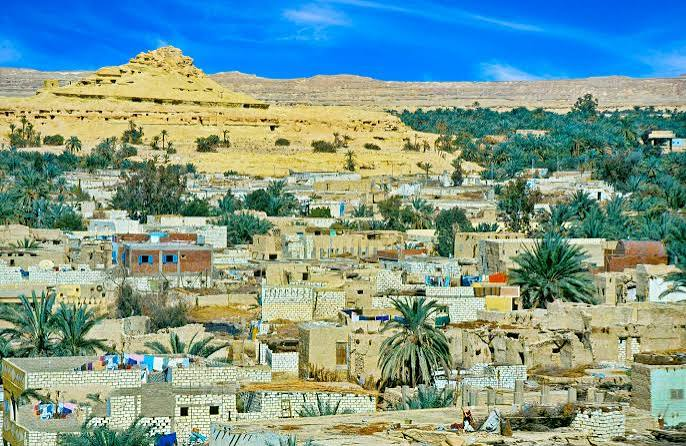
The name “Farafra” has intriguing historical roots that reflect the area’s connection to the surrounding desert landscape. It derives from the Arabic word “farafra,” meaning “to be empty,” aptly describing the vast, serene environment of the oasis. This etymology underscores the contrast between the lush life sustained by the oasis and the arid desert that envelops it.
Continue Reading: More Egypt Travel Guides :
- El Kharga Oasis Travel Guide | History & Desert Heritage
- Hurghada Travel Guide 2026 | Red Sea Resorts & Diving
Cultural Interpretation
Beyond its literal meaning, the name Farafra carries cultural significance. Historically, the oasis has served as a refuge for nomadic tribes, symbolizing hope and survival amid adversity. This deeper understanding enriches the experience for travelers, allowing them to appreciate the resilience and spirit of the people who have thrived in this remarkable landscape.
Historical Overview of Farafra Oasis
Inhabitation Timeline
The history of Farafra Oasis stretches back thousands of years, with signs of habitation emerging as early as the ancient Egyptian civilization. It was a vital stop for trade caravans traversing the Sahara, establishing itself as a hub for commerce and cultural exchange. Over time, various tribes have inhabited the area, each contributing to the rich tapestry of its history.
Key Historical Events
Significant events in Farafra’s history include its importance during the Roman Empire, when it developed into a crucial agricultural center. The oasis’s wells supplied water for crops and livestock, enabling the settlement to thrive in the harsh desert environment. In the 20th century, Farafra gained attention from artists and writers who were inspired by its serene beauty, sparking a wave of artistic creativity.
Your Next Egyptian Adventure Starts Here :
- Ultimate Guide to the Mövenpick MS Darakum Nile Cruise 2026
- El Dakhla Oasis | A Comprehensive Guide 2026
- Egypt Visa on Arrival – Bright Egypt Travel
Cultural Influences
Farafra Oasis boasts a diverse cultural heritage. The interplay of Bedouin traditions and the remnants of ancient Egyptian culture is evident in local architecture, crafts, and customs. Visitors can engage with local artisans and explore traditional practices that have persisted through generations, experiencing this unique cultural mélange firsthand.
Natural Attractions
The White Desert of Farafra Oasis
Unique Chalk Formations
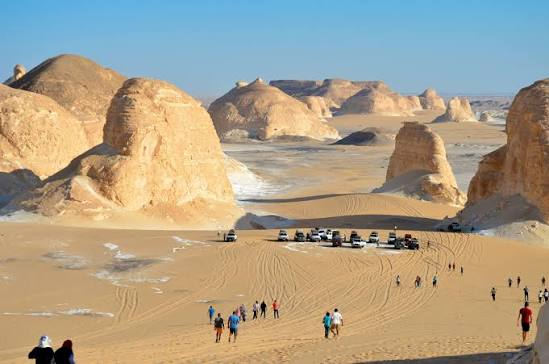
One of the most striking natural attractions near Farafra Oasis is the White Desert, famous for its surreal chalk formations resembling otherworldly sculptures. Created by the erosion of chalk and limestone over millions of years, this landscape feels almost alien. The White Desert is particularly breathtaking at sunrise and sunset when the colors of the sky reflect off the white terrain, creating a magical atmosphere.
Activities and Camping Opportunities
The White Desert serves as a playground for adventure seekers. Visitors can engage in a variety of activities, including:
- Sandboarding: Experience the thrill of gliding down the dunes.
- Stargazing: The clear night skies offer perfect conditions for observing stars.
- Camping: Spend a night under the stars in the heart of the desert, surrounded by its serene beauty.
Wells of Farafra
Importance for Agriculture
The wells of Farafra are crucial to the oasis’s agricultural practices, providing essential water for cultivating crops in an otherwise arid environment. Local farmers carefully maintain these wells, relying on them to sustain their livelihoods and preserve the oasis’s agricultural heritage.
Notable Wells and Their Features
Some notable wells in the area include:
- Ain Al-Mufti: Known for its refreshing water and lush surroundings, this well is a popular stop for travelers.
- Ain Al-Salam: Famous for its historical significance and rich biodiversity found nearby.
Climate of Farafra Oasis
Weather Patterns
Farafra Oasis experiences hot summers and mild winters, making it a year-round destination. Daytime temperatures can soar above 40°C (104°F) in summer, while winter temperatures typically range between 15°C (59°F) and 25°C (77°F).
Best Times to Visit
The ideal times to visit Farafra Oasis are during the spring (March to May) and autumn (September to November) when temperatures are more moderate. These seasons provide pleasant weather for exploring the oasis and its natural attractions without the extremes of summer heat.
Cultural Significance and Local Life
Traditional Architecture
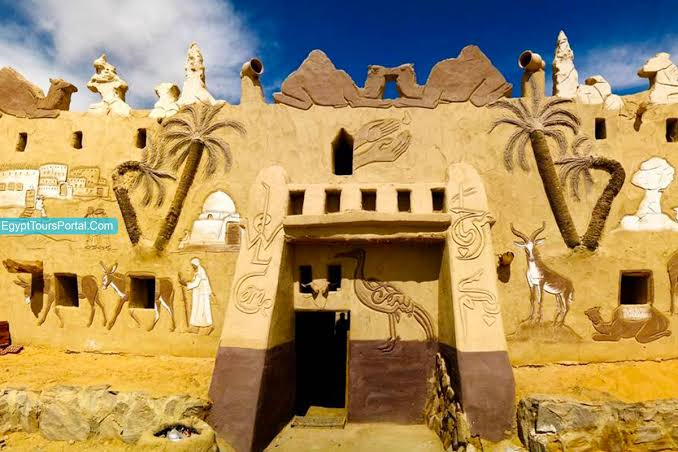
The traditional architecture of Farafra Oasis reflects its inhabitants’ adaptation to the desert environment. Houses are typically constructed from mud bricks, offering natural insulation against the heat. Visitors can admire the simplicity and functionality of these structures, often adorned with decorative elements inspired by the surrounding landscape.
Local Communities and Their Practices
The local communities of Farafra are celebrated for their hospitality and rich cultural traditions. Visitors can immerse themselves in the daily lives of residents by participating in local festivals, sampling traditional cuisine, and learning about their customs. The vibrant culture of Farafra Oasis showcases the resilience and creativity of its people.
Gallery of Farafra Oasis
Scenic Views and Landscapes
Farafra Oasis presents breathtaking views that encapsulate the essence of the Egyptian desert. From the expansive sand dunes to the unique chalk formations of the White Desert, these landscapes are a photographer’s paradise. Visitors are encouraged to take their time exploring and capturing the stunning vistas.
Notable Landmarks
Some noteworthy landmarks worth visiting include:
- The Crystal Mountain: A stunning natural formation featuring glittering crystals.
- The Old Town of Farafra: A charming area showcasing traditional architecture and local craftsmanship.
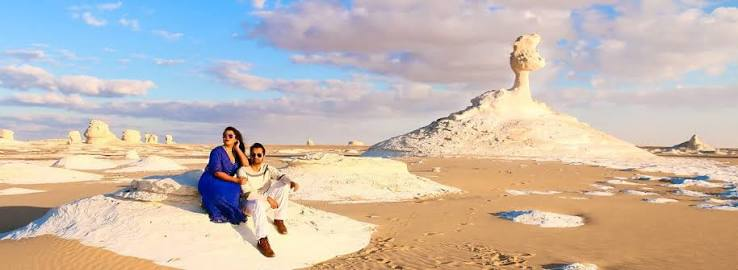
Farafra Oasis is a remarkable destination that offers a unique blend of natural beauty, rich history, and vibrant culture. From the stunning landscapes of the White Desert to the warm hospitality of local communities, there is much to explore and appreciate. Whether you seek adventure, relaxation, or cultural immersion, Farafra Oasis promises an unforgettable experience. Embrace the opportunity to discover this hidden gem in Egypt and create lasting memories amidst its breathtaking scenery.
Book Your Luxury Egypt Adventure Today
True travel is about discovering the perfect balance between vibrant energy and elegant peace. Wandering through ancient, sunlit streets, watching timeless landscapes glide by, and standing atop breathtaking architectural landmarks offers a sophisticated look into a nation’s magnificent cultural renaissance.
At Bright Egypt Travel, we excel at turning standard sightseeing into deeply memorable, luxury cultural journeys. From handling all your private transfers in absolute comfort to pairing you with passionate expert guides, we manage the details so you can enjoy the pure magic.
Book Your Premium Guided Luxury Tour Now: +201032707611
Contact via WhatsApp: Connect directly with Bright Egypt Travel today and elevate your holiday to the height of luxury!


