
Siwa Oasis | A Hidden Gem in Egypt’s Western Desert

Nestled in the heart of Egypt’s Western Desert, Siwa Oasis is a captivating destination that offers a unique blend of natural beauty and rich cultural heritage. Famous for its palm-fringed landscapes, ancient ruins, and vibrant traditions, Siwa Oasis has long intrigued travelers and historians alike. This article explores the geography, history, and culture of Siwa Oasis, providing a comprehensive guide to this enchanting locale.
Geography The Siwa Oasis
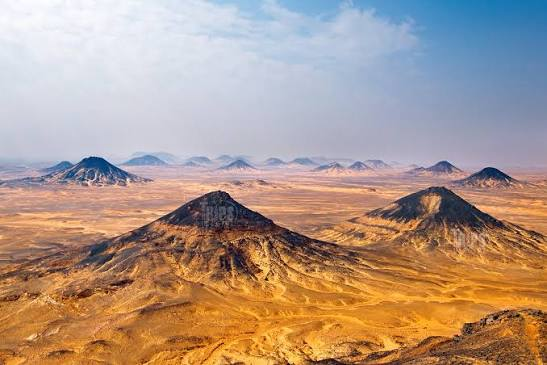
Location and Landscape The Siwa Oasis
Siwa Oasis is situated approximately 50 kilometers east of the Libyan border and around 300 kilometers southwest of the Mediterranean city of Marsa Matrouh. The oasis is framed by rugged mountains and expansive sand dunes, creating a striking contrast to the lush green palm groves thriving on the area’s underground aquifers.
Natural Features The Siwa Oasis
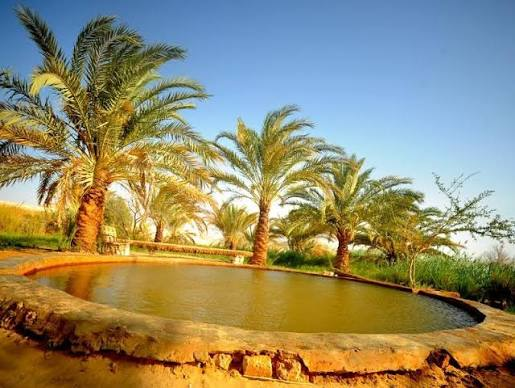
The oasis is renowned for its natural springs, which have been essential to the survival of its inhabitants for centuries. One notable spring is Cleopatra’s Bath, believed to have been a favorite bathing spot of the Egyptian queen. The landscape also features salt lakes and fertile land, making it a significant agricultural hub in the desert.
Continue Reading: More Egypt Travel Guides :
- Abu Simbel: The Eternal Pride of Ramses II and a Miracle of Modern Engineering – Bright Egypt Travel
- Karnak Temple: A Journey Through Ancient Egypt’s Greatest Religious Complex – Bright Egypt Travel
Climate Overview
Siwa Oasis experiences an arid desert climate, characterized by hot summers and mild winters. Daytime temperatures can exceed 40°C (104°F) during summer, while winter nights can drop to around 5°C (41°F). With minimal rainfall, the underground water sources are crucial for agriculture and everyday life.
Name The Siwa Oasis
Etymology and Historical Significance
The name “Siwa” originates from the ancient Egyptian language, believed to mean “the place of the gods.” This significance is linked to its historical role as a spiritual center, particularly as the site of the Oracle of Amun. The Siwan people maintain a profound connection to their land, and the name reflects their identity and cultural heritage.
History The Siwa Oasis
Early Inhabitance The Siwa Oasis
Siwa Oasis has been inhabited for thousands of years, with evidence of human presence dating back to prehistoric times. The oasis served as a crucial stop for caravans traversing the desert, facilitating trade between Egypt, Libya, and beyond.
Connection to Ancient Egypt
The oasis is famously associated with Ancient Egypt, particularly through the Oracle of Amun, which drew pilgrims seeking guidance and prophecy. Historical figures, including Alexander the Great, visited Siwa to consult the Oracle about their destinies.
The Oracle of Amun
The Oracle of Amun was located in the Temple of the Oracle, built around the 26th Dynasty. This temple remains a significant archaeological site, attracting visitors interested in its historical and spiritual significance.
Alexander the Great’s Visit
In 332 BC, Alexander the Great made a legendary pilgrimage to Siwa Oasis to consult the Oracle of Amun. His visit solidified the oasis’s historical reputation and reinforced its status as a vital cultural and religious hub.
Climate The Siwa Oasis
Weather Patterns The Siwa Oasis
Siwa Oasis experiences distinct weather patterns throughout the year. Summer months are typically dry and scorching, while winters are cooler and more pleasant, making it an ideal time for visitors.
Your Next Egyptian Adventure Starts Here :
- Where Is Egypt Located? Geography, Map & Travel Facts
- Where Are the Pyramids in Egypt? A Traveler’s Guide
- Luxor Temple: A Journey Through Time – Bright Egypt Travel
Seasonal Variations
– Summer (June to August): Extremely hot, with temperatures often exceeding 40°C (104°F).
– Autumn (September to November): Mild temperatures and occasional rainfall, perfect for outdoor activities.
– Winter (December to February): Cool nights and mild days, with temperatures ranging from 5°C (41°F) at night to 20°C (68°F) during the day.
– Spring (March to May): Warm days and cooler nights, with blooming flora enhancing the landscape.
Traditional Designs and Symbolism and Jewelry and Culture
Siwan jewelry is famous for its intricate designs, often crafted from silver and adorned with semi-precious stones. Each piece carries cultural significance, symbolizing the wearer’s identity and status in the community.
Importance in Siwan Society
Jewelry serves more than a decorative purpose; it plays a vital role in Siwan culture. Often used in traditional ceremonies, such as weddings and festivals, jewelry represents cultural pride and heritage.
Key Celebrations and Traditions
Siwa Oasis hosts vibrant festivals throughout the year, celebrating its rich cultural heritage. Notable events include:
– The Date Festival: Celebrating the harvest of dates, featuring music, dancing, and delicious food.
– The Siwa Festival: A showcase of local customs, traditional crafts, and cultural performances.
Religious Observances
Religious holidays play a significant role in Siwan culture, with celebrations like Eid al-Fitr and Eid al-Adha marked by community gatherings, feasting, and prayers.
Relations with the Bedouins
Marriage Customs
The Siwan people maintain close ties with the surrounding Bedouin tribes. Marriage customs often involve elaborate ceremonies that reflect the blending of cultures.
Cultural Exchange and Trade
The relationship between the Siwan people and the Bedouins fosters cultural exchange and trade. Bedouin craftsmanship and Siwan agricultural products create a vibrant marketplace, enhancing the local economy.
Role of Women
Social Status and Responsibilities
Women in Siwa Oasis occupy a unique position within their society. Often seen as the backbone of families, they manage households and engage in agricultural tasks.
Contributions to Culture
Siwan women are crucial in preserving cultural traditions, including cooking, crafting, and storytelling. Their contributions enrich the community’s heritage and ensure the continuity of cultural practices.
Siwan Pederastic Tradition
Historical Context
Siwan society has a unique tradition known as pederasty, deeply rooted in the community’s cultural practices. This tradition has generated discussion, reflecting the complexities of Siwan social structures.
Modern Implications
In contemporary times, the tradition faces scrutiny from outside observers and local reformers. Balancing cultural heritage preservation with modern societal norms presents a challenge for Siwan communities.
People in Siwa Oasis
Demographics
The population of Siwa Oasis is predominantly composed of the Siwan people, who possess their own distinct language, culture, and traditions. The community is small, with estimates of about 25,000 residents.
Languages Spoken
Arabic is the primary language spoken in Siwa, alongside Siwi, a Berber dialect commonly used by locals. This linguistic diversity highlights the area’s rich cultural tapestry.
Cultural Identity
The people of Siwa Oasis take great pride in their cultural identity, shaped by their history, geography, and traditions. Their connection to the land and unique customs define their way of life.
Economy
Agriculture and Key Crops
Agriculture forms the backbone of Siwa’s economy, with the cultivation of olives, dates, and various fruits and vegetables. Natural springs facilitate irrigation, making the oasis fertile despite its desert surroundings.
Tourism Growth and Development
In recent years, Siwa Oasis has experienced a rise in tourism, with visitors drawn to its natural beauty and cultural heritage. Eco-tourism initiatives and the promotion of local crafts have bolstered the economy, providing new opportunities for residents.
Archaeology
Significant Discoveries
Siwa Oasis is home to numerous archaeological sites that shed light on its rich history. Excavations have uncovered ancient artifacts, inscriptions, and remnants of past civilizations.
Historical Sites of Interest
– The Temple of the Oracle: A significant site for those interested in ancient Egyptian spirituality.
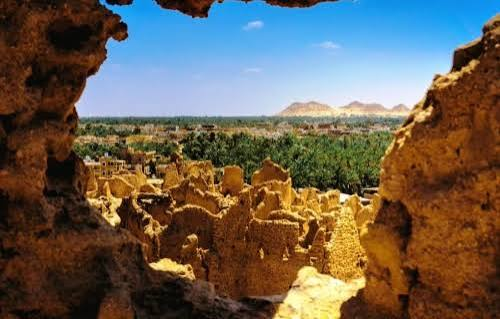
– Shali Fortress: An ancient mud-brick fortress showcasing traditional Siwan architecture.
In Popular Culture
Representation in Media
Siwa Oasis has made its mark in popular culture, appearing in various media forms, including films and documentaries that highlight its unique features and history.
Influence on Video Games and Literature
The oasis has inspired writers and game developers, often serving as a backdrop for stories exploring adventure, mystery, and cultural richness.
Gallery
A visual showcase of Siwa Oasis, featuring stunning landscapes, traditional crafts, and the vibrant life of the Siwan people. This gallery immerses readers in the beauty and culture of this hidden gem.
See Also
– Related Destinations in Egypt: Explore nearby attractions such as the Great Sand Sea and the White Desert.
– Berber Culture and Influence: Learn more about the Berber people and their impact on North African culture.
Siwa Oasis is a hidden gem that offers a unique blend of natural beauty, rich history, and vibrant culture. From its stunning landscapes to its intriguing archaeological sites, it presents an unforgettable experience for travelers. As you explore this enchanting oasis, consider supporting the local community and immersing yourself in the rich traditions that define Siwa. Whether you’re seeking adventure or a deeper understanding of Egypt’s heritage, Siwa Oasis is sure to leave a lasting impression.
Book Your Luxury Egypt Adventure Today
True travel is about discovering the perfect balance between vibrant energy and elegant peace. Wandering through ancient, sunlit streets, watching timeless landscapes glide by, and standing atop breathtaking architectural landmarks offers a sophisticated look into a nation’s magnificent cultural renaissance.
At Bright Egypt Travel, we excel at turning standard sightseeing into deeply memorable, luxury cultural journeys. From handling all your private transfers in absolute comfort to pairing you with passionate expert guides, we manage the details so you can enjoy the pure magic.
Book Your Premium Guided Luxury Tour Now: +201032707611
Contact via WhatsApp: Connect directly with Bright Egypt Travel today and elevate your holiday to the height of luxury!


