
El Dakhla Oasis | A Comprehensive Guide 2026

El Dakhla Oasis is a hidden gem nestled in the heart of the Western Desert of Egypt, offering a unique blend of history, culture, and natural beauty. This oasis is not just a picturesque landscape; it is a treasure trove of archaeological sites, ancient settlements, and vibrant communities. With its mild climate, diverse flora, and fascinating history dating back thousands of years, El Dakhla Oasis captivates adventurers and historians alike. In this comprehensive guide, we will delve into the history, geography, climate, and more, providing valuable insights for anyone interested in exploring this remarkable destination.
History of El Dakhla Oasis
Prehistoric Era
Human Settlement and Early Tribes
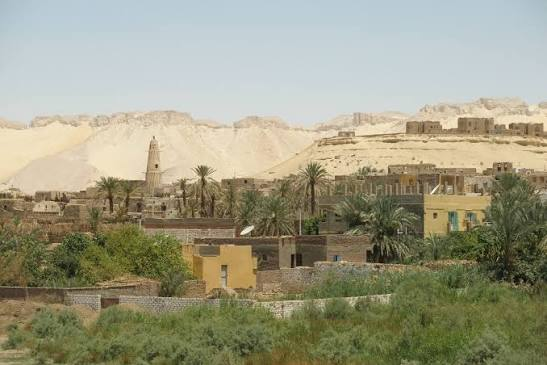
The history of El Dakhla Oasis can be traced back to prehistoric times, when early tribes began settling in the region. Archaeological findings suggest that this area was habitable as early as 5000 BC, with evidence of human activity in the form of tools and pottery. The lush vegetation and natural springs made it an ideal location for nomadic tribes who relied on the resources available in the oasis.
The Pharaonic Period
Hieratic Script and Discoveries
During the Pharaonic period, El Dakhla Oasis became an important site for trade and agriculture. The discovery of hieratic inscriptions on ancient artifacts indicates that the oasis was a significant trade route linking the Nile Valley to the western desert. Agricultural advancements during this era allowed residents to cultivate crops, contributing to the sustainability of communities within the oasis.
Continue Reading: More Egypt Travel Guides :
- El Kharga Oasis Travel Guide | History & Desert Heritage
- Hurghada Travel Guide 2026 | Red Sea Resorts & Diving
- The Complete Farafra Oasis Travel Guide 2026
Roman Influence: Deir el-Hagar
Architectural Significance
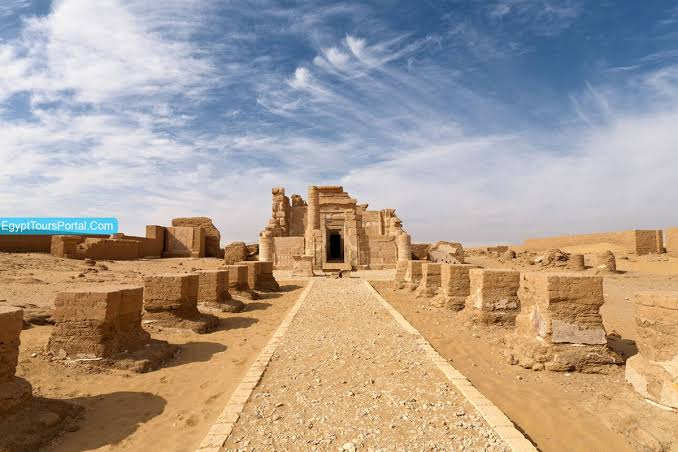
Following the Pharaonic period, the Roman Empire took an interest in El Dakhla Oasis. Deir el-Hagar, a temple complex built in the 1st century AD, showcases the architectural prowess of the Romans. This site features well-preserved structures with intricate carvings and inscriptions that reveal the blending of Egyptian and Roman cultures. The temple served as a religious center and a hub for trade during Roman times.
Medieval Developments: Qasr ad-Dakhla
Islamic Fortifications
In the medieval period, El Dakhla Oasis saw the rise of Qasr ad-Dakhla, a fortified settlement crucial for regional defense. The fortifications, dating back to the 12th century, exhibit Islamic architectural styles and testify to the oasis’s importance during this era. The settlement was strategically located to protect trade routes and serve as a refuge for travelers.
Exploration After 1800
Notable Travelers and Their Contributions
The 19th century brought renewed interest in El Dakhla Oasis from European explorers and archaeologists. Notable figures such as the British explorer Bertram Thomas and the American archaeologist William Flinders Petrie conducted extensive research, documenting their findings and shedding light on the oasis’s historical significance. Their contributions have been invaluable in understanding the ancient cultures that thrived in this region.
Recent Archaeological Discoveries
Significant Findings and Their Impact
In recent years, archaeological excavations in El Dakhla Oasis have revealed a wealth of information about its history. Discoveries include ancient burial sites, pottery, and tools that provide insight into the daily lives of its inhabitants. These findings continue to attract researchers and tourists alike, emphasizing the ongoing importance of El Dakhla Oasis as a center of archaeological interest.
Your Next Egyptian Adventure Starts Here :
- Ultimate Guide to the Mövenpick MS Darakum Nile Cruise 2026
- Egypt Visa on Arrival – Bright Egypt Travel
Geography of El Dakhla Oasis
Overview of the Oasis Structure
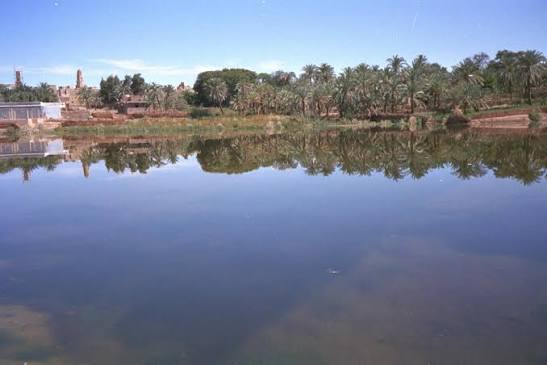
El Dakhla Oasis is part of a larger system of oases in the Western Desert, characterized by its unique geological formations and fertile land. Surrounded by vast stretches of sand dunes, this oasis stands out for its lush greenery, sustained by underground aquifers. The landscape is dotted with palm groves, agriculture, and small villages, creating a striking contrast against the arid desert backdrop.
Major Communities and Sub-Oases
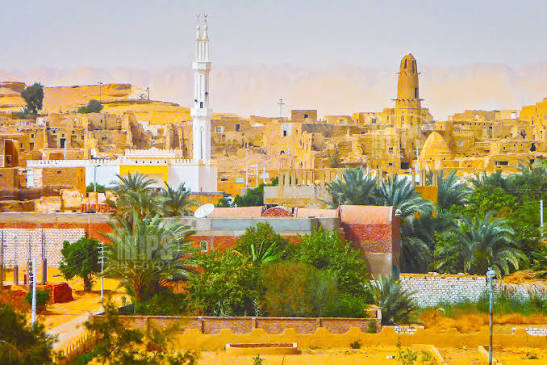
The oasis comprises several communities, each with its own distinct culture and history. Among the most notable are the villages of Mut, Al-Qasr, and Balat. These communities are known for their traditional mud-brick houses and agricultural practices. The sub-oases, including vibrant agricultural areas, play a significant role in supporting the local economy and sustaining the population.
Climate Conditions
Temperature Patterns and Seasonal Changes
El Dakhla Oasis experiences a desert climate, characterized by hot summers and mild winters. Temperatures can soar above 40°C (104°F) during peak summer months, making it essential for visitors to plan their trips accordingly. Winter temperatures are much cooler, averaging around 15°C (59°F) during the night.
Precipitation and Environmental Factors
Precipitation in El Dakhla Oasis is scarce, averaging only 10-20 mm annually. The region’s natural springs are vital for sustaining agriculture and supporting local communities. Despite the harsh climate, the oasis’s unique geography allows for the cultivation of various crops, including dates and grains, contributing to the area’s agricultural heritage.
The Dakhleh Oasis Project
Objectives and Findings
The Dakhleh Oasis Project, initiated in the 1970s, aims to investigate the archaeological and cultural history of El Dakhla Oasis. This multidisciplinary project has uncovered significant findings related to ancient settlements, burial practices, and agricultural methods. Researchers have utilized modern techniques, including remote sensing and GIS, to enhance their understanding of the area’s historical landscape.
Contributions of the Dakhleh Trust
Supporting Research and Preservation
The Dakhleh Trust plays a crucial role in supporting archaeological research and preservation efforts in El Dakhla Oasis. This organization provides funding and expertise to protect the area’s rich cultural heritage. By facilitating research initiatives and promoting awareness, the Dakhleh Trust ensures that the history of El Dakhla Oasis is preserved for future generations.
Visiting El Dakhla Oasis
Travel Tips
When planning a trip to El Dakhla Oasis, consider the following tips:
– Transportation: The oasis is accessible by car, with several tour operators offering guided trips from major cities like Luxor and Cairo.
– Local Customs: Respect local traditions and customs, especially in rural areas.
– Language: Knowing basic Arabic phrases can enhance your experience, as English may not be widely spoken outside tourist areas.
Best Times to Visit
The ideal time to visit El Dakhla Oasis is during the cooler months, from October to April, when temperatures are more manageable. This period offers the best opportunity to explore the area’s attractions comfortably.
Cultural Experiences and Activities
Visitors to El Dakhla Oasis can immerse themselves in various cultural experiences, including:
– Exploring Ancient Sites: Visit archaeological sites like Deir el-Hagar and Qasr ad-Dakhla.
– Local Cuisine: Sample traditional dishes at local restaurants, featuring ingredients sourced from the oasis itself.
– Outdoor Activities: Engage in hiking, camel trekking, or birdwatching to experience the natural beauty of the oasis.
El Dakhla Oasis is a captivating destination that offers a rich tapestry of history, culture, and natural beauty. From its ancient archaeological sites to its vibrant communities, this oasis is a testament to the resilience and creativity of those who have called it home. Whether you are an adventurer, history enthusiast, or culture seeker, El Dakhla Oasis promises an unforgettable experience. Don’t miss the opportunity to explore this remarkable oasis and uncover its many secrets!
Book Your Luxury Egypt Adventure Today
True travel is about discovering the perfect balance between vibrant energy and elegant peace. Wandering through ancient, sunlit streets, watching timeless landscapes glide by, and standing atop breathtaking architectural landmarks offers a sophisticated look into a nation’s magnificent cultural renaissance.
At Bright Egypt Travel, we excel at turning standard sightseeing into deeply memorable, luxury cultural journeys. From handling all your private transfers in absolute comfort to pairing you with passionate expert guides, we manage the details so you can enjoy the pure magic.
Book Your Premium Guided Luxury Tour Now: +201032707611
Contact via WhatsApp: Connect directly with Bright Egypt Travel today and elevate your holiday to the height of luxury!


