
Exploring the Citadel of Salah El Din | Cairo’s Historic Crown

The Citadel of Salah El Din, also known as the Saladin Citadel of Cairo, stands as a monumental testament to Egypt’s storied past and architectural splendor. Perched on the Mokattam Hills, this fortress has dominated the skyline of Cairo for nearly nine centuries, serving as a key military stronghold and the heart of governance during the Ayyubid dynasty. Constructed in the late 12th century by the legendary leader Salah al-Din al-Ayyubi, the citadel was designed to protect the city from Crusader invasions and to symbolize the power and resilience of Egypt. Today, it attracts countless visitors eager to explore its remarkable mosques, palaces, and museums, all while enjoying breathtaking views of the sprawling city below. This article delves into the rich history, architectural marvels, and practical tips for visiting the Citadel of Salah El Din, ensuring you make the most of your journey into the heart of Cairo’s heritage.
History of the Citadel The Citadel of Salah El Din
Origins and Construction :
The Citadel of Salah El Din was commissioned in 1176 by Salah al-Din al-Ayyubi, the founder of the Ayyubid dynasty. Recognizing the strategic importance of Cairo, which was prone to Crusader attacks, Salah al-Din ordered the construction of this formidable fortress. Built primarily from limestone sourced from the Giza Plateau, the citadel’s walls were designed to provide robust protection while also serving as a center of governance.
– Construction Timeline: The citadel took several decades to complete, with its final structures finished in the early 13th century.
– Architectural Features: The citadel was equipped with high stone walls, massive gates, and fortified towers that enhanced its defensive capabilities.
Historical Significance The Citadel of Salah El Din
Over the centuries, the Citadel of Salah El Din played a vital role in Egypt’s political and military history. It served as the seat of power for various dynasties, including the Ayyubids, Mamluks, and Ottomans.
– Ayyubid Period: The citadel represented military strength and authority, safeguarding Cairo from external threats.
– Mamluk Era: Under the Mamluks, the citadel was expanded and embellished with beautiful mosques and palaces, including the Mosque of Muhammad Ali.
– Ottoman Influence: The Ottomans further developed the citadel, integrating their architectural style and governance practices.
Architectural Marvels Within the Citadel The Citadel of Salah El Din
Major Mosques
The Citadel of Salah El Din is home to several remarkable mosques that showcase the architectural brilliance of different eras.
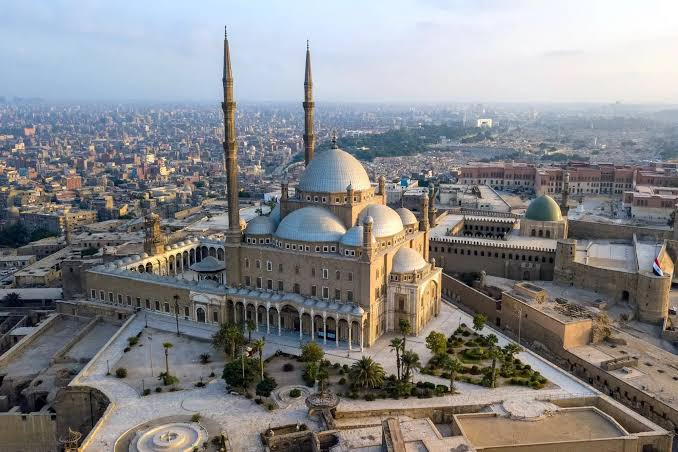
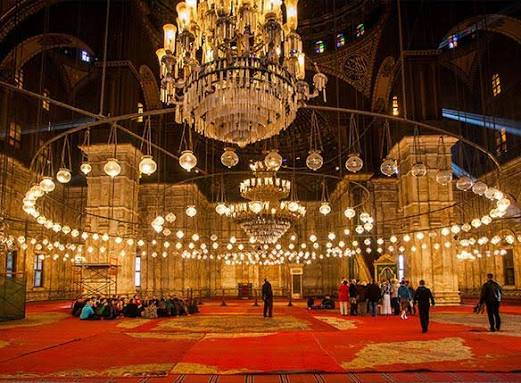
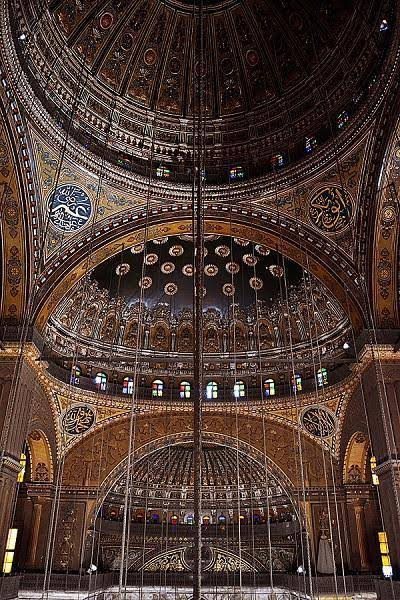
The Mosque of Muhammad Ali
One of the most prominent landmarks within the citadel is the Mosque of Muhammad Ali, often referred to as the Alabaster Mosque.
– Architectural Style: Built in the early 19th century, this mosque features stunning Ottoman-style domes and towering minarets.
– Cultural Importance: It serves as a crucial site for Islamic worship and a significant tourist attraction.
The Mosque of Sultan al-Nasir Muhammad The Citadel of Salah El Din
Dating back to the 14th century, the Mosque of Sultan al-Nasir Muhammad is a prime example of Mamluk architecture.
– Design Elements: Its intricate arabesque decorations and green-tiled minarets reflect the Mamluk era’s artistic ingenuity.
– Historical Role: This mosque was the royal place of worship for centuries and is a highlight for visitors seeking to understand Cairo’s Islamic heritage.
Other Notable Mosques
– Mosque of Sulayman Pasha: A lesser-known yet historically significant mosque within the citadel.
– Mosque of al-‘Azab: Another example of the citadel’s rich religious architecture, adding to its spiritual significance.
Palaces and Other Structures The Citadel of Salah El Din
The citadel also boasts several palaces and museums that enrich its historical narrative.
Gawhara Palace (Jewel Palace)
Commissioned by Muhammad Ali in the early 19th century, the Gawhara Palace exemplifies the blend of Ottoman and European architectural styles.
– Opulent Design: Known for its gilded halls and lavish decorations, the palace was once the site of royal ceremonies.
– Current Use: Today, visitors can explore its ornate ceilings and historical artifacts that tell the story of Egypt’s royal past.
Military and Police Museums
The citadel houses two significant museums that delve into Egypt’s military history.
– Egyptian Military Museum: Showcases a collection of artifacts, including medieval armor and modern weaponry.
– Police Museum: Highlights the history of law enforcement in Egypt, offering insights into the evolution of policing.
Water Supply System
The water supply system of the Citadel of Salah El Din was crucial for its function as a stronghold.
Yusuf’s Well
– Historical Importance: This well, also known as Salah ad-Din’s Well, provided water to the citadel during sieges.
– Engineering Marvel: Its depth and construction demonstrate advanced engineering techniques of the period.
The Mamluk Aqueduct
– Purpose: Designed to ensure a steady water supply to the citadel.
– Significance: An example of the Mamluks’ engineering skills in managing resources effectively.
Cisterns and Water Management
The citadel also features various cisterns used to store water, showcasing the importance of water management in sustaining a fortified city.
The Citadel’s Role in Cairo’s Defense
Strategic Importance and Military Function
The Citadel of Salah El Din was not only a royal residence but also a vital military bastion.
– Defensive Architecture: Its elevated position and robust walls allowed defenders to monitor and control access to Cairo.
– Historical Conflicts: The citadel played a crucial role during the Crusades, serving as a bulwark against invasions.
Notable Historical Events Witnessed The Citadel of Salah El Din
Over the centuries, the citadel witnessed significant events that shaped Cairo’s history, from military confrontations to political transformations.
– Sieges and Conflicts: The citadel’s walls have withstood numerous attacks, making it a symbol of resilience.
– Political Changes: As the seat of power, it was central to many of Egypt’s governance shifts throughout history.
Visiting the Citadel Today
Why Visit the Citadel of Salah El Din?
For modern travelers, the Citadel of Salah El Din offers a unique blend of history, culture, and breathtaking views.
– Cultural Experience: Visitors can immerse themselves in the rich Islamic heritage and architectural beauty.
– Stunning Views: The elevated location provides panoramic views of Cairo, making it a perfect spot for photography enthusiasts.
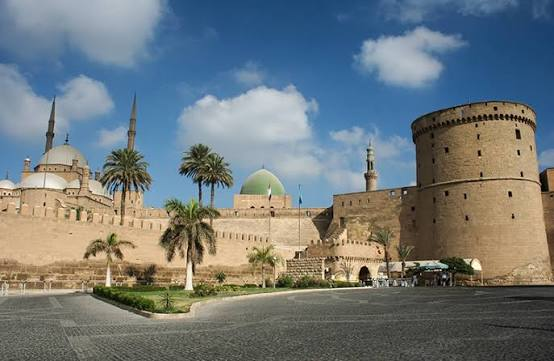
Practical Travel Tips Citadel of Salah El Din
When planning your visit to the Citadel of Salah El Din, consider the following tips:
– Opening Hours: The citadel is generally open daily from morning until late afternoon.
– Best Time to Visit: Early mornings or late afternoons are ideal to avoid the heat and large crowds.
– Tickets: A single entry ticket grants access to the citadel and its main attractions.
– Guided Tours: Hiring a guide can enhance your experience by providing historical insights and context.
– Photography Tips: Don’t forget your camera—sunsets from the citadel’s walls are unforgettable.
Book Your Luxury Egypt Adventure Today
True travel is about discovering the perfect balance between vibrant energy and elegant peace. Wandering through ancient, sunlit streets, watching timeless landscapes glide by, and standing atop breathtaking architectural landmarks offers a sophisticated look into a nation’s magnificent cultural renaissance.
At Bright Egypt Travel, we excel at turning standard sightseeing into deeply memorable, luxury cultural journeys. From handling all your private transfers in absolute comfort to pairing you with passionate expert guides, we manage the details so you can enjoy the pure magic.
Book Your Premium Guided Luxury Tour Now: +201032707611
Contact via WhatsApp: Connect directly with Bright Egypt Travel today and elevate your holiday to the height of luxury!


