
Discovering the Foundations of Civilization in the Early Islamic Period

The Early Islamic Period marks a transformative era in history that began in the 7th century CE with the life and teachings of the Prophet Muhammad. This period not only saw the birth of Islam but also the rapid expansion of its influence across the Arabian Peninsula and beyond. The establishment of a vast Islamic empire laid the foundation for a rich cultural and intellectual legacy that would resonate through centuries. This article delves into the key events, figures, and cultural milestones of the Early Islamic Period, shedding light on a time that reshaped the political, social, and religious landscape of the world.
History the Early Islamic Period
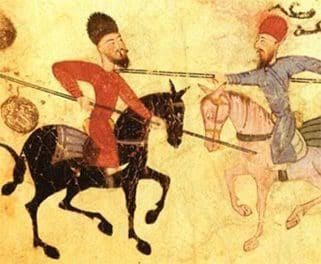
Rise of Islam
The Early Islamic Period commenced in 610 CE, when Muhammad began receiving divine revelations in Mecca. His message of monotheism and social justice resonated with many, leading to the formation of the first Muslim community. Key events that marked this rise include:
- The Hijra: In 622 CE, Muhammad and his followers migrated to Medina, marking the beginning of the Islamic calendar. This migration was crucial for establishing a supportive community and governance.
- The Battles of Badr and Uhud: These early conflicts between Muslims and the Quraysh of Mecca solidified the Muslim community’s identity and resilience. The victory at Badr in 624 CE significantly bolstered Muslim morale, while the setback at Uhud in 625 CE highlighted the challenges they faced.
Establishment of the Caliphate
Following Muhammad’s death in 632 CE, the leadership of the Muslim community transitioned to the Caliphs. This era saw the rapid expansion of Islamic rule:
- The Rashidun Caliphate (632–661 CE): The first four caliphs—Abu Bakr, Umar, Uthman, and Ali—expanded the empire through military conquests and diplomacy. Significant achievements during this period included:
- The unification of the Arabian Peninsula under Islam.
- Conquests that extended into the Persian Empire and Byzantine territories, including the pivotal Battle of Yarmouk in 636 CE.
Continue Reading: More Egypt Travel Guides :
- The Old Kingdom of Ancient Egypt: 2026 Guide to the Pyramid Age
- Esna Temple of Khnum: Sacred Zodiac Shrine of Khnum in Ancient Egypt
- Temple of Seti I: An Ancient Egyptian Architectural Marvel – Bright Egypt Travel
Height of Power
The Early Islamic Period reached its zenith during the Umayyad Caliphate (661–750 CE), characterized by:
- Territorial Expansion: The Umayyads expanded the empire from Spain in the west to India in the east, creating one of the largest empires in history. This expansion facilitated cultural exchange and trade across vast regions.
- Cultural Flourishing: This period saw the establishment of major cities like Damascus and Cordoba, which became centers of learning and culture, attracting scholars from various backgrounds.
Cultural Achievements
The Early Islamic Period is renowned for its cultural and intellectual achievements, including:
- Art and Architecture: The construction of the Dome of the Rock in Jerusalem and the Great Mosque of Damascus showcased advanced architectural techniques and artistic expression. These structures reflected the Islamic ethos and aesthetic sensibilities of the time.
- Scholarly Contributions: The translation and preservation of ancient texts laid the groundwork for advancements in science, mathematics, and philosophy. Notable scholars such as Al-Khwarizmi and Al-Farabi emerged, contributing significantly to various fields.
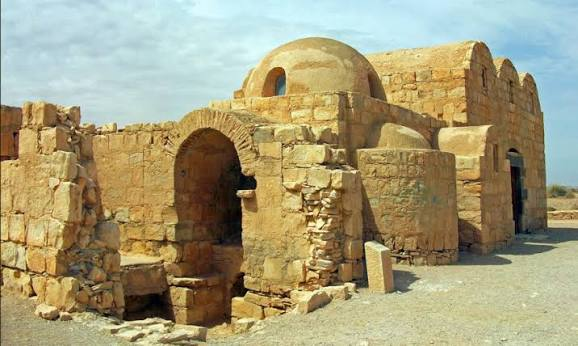
Gallery the Early Islamic Period
The Early Islamic Period is rich with cultural artifacts and architectural masterpieces. Some notable examples include:
- The Dome of the Rock: An iconic Islamic shrine, exemplifying early Islamic architecture and its spiritual significance.
- The Great Mosque of Cordoba: A stunning representation of Moorish architecture and Islamic artistry, known for its intricate arches and expansive prayer hall.
- Calligraphy and Manuscripts: Beautifully crafted texts that reflect the importance of literacy and scholarship in Islamic culture, showcasing calligraphic art and literary excellence.
See Also the Early Islamic Period
- The life of the Prophet Muhammad
- Key figures in early Islamic history
- The spread of Islam in Africa and Asia
References
- Esposito, John L. Islam: The Straight Path. Oxford University Press.
- Armstrong, Karen. Islam: A Short History. Modern Library.
- Lapidus, Ira M. A History of Islamic Societies. Cambridge University Press.
Further Reading the Early Islamic Period
- “The Cambridge Illustrated History of the Islamic World” by Anthony Reid
- “Islamic Civilization: A Very Short Introduction” by Edward W. Said
- “The Early Islamic World: A History” by Robert G. Hoyland
Your Next Egyptian Adventure Starts Here :
- The Sinai Peninsula A Guide to the Sinai Desert 2026
- Mortuary Temple of Hatshepsut: An Ancient Architectural Marvel – Bright Egypt Travel
The Early Islamic Period laid the groundwork for one of the world’s most influential civilizations, characterized by rapid expansion, cultural achievements, and intellectual growth. Understanding this era is essential for appreciating the complexities of Islamic history and its enduring impact on global culture. For further exploration, consider diving into books and articles that illuminate the rich tapestry of this remarkable time.
Book Your Luxury Egypt Adventure Today
True travel is about discovering the perfect balance between vibrant energy and elegant peace. Wandering through ancient, sunlit streets, watching timeless landscapes glide by, and standing atop breathtaking architectural landmarks offers a sophisticated look into a nation’s magnificent cultural renaissance.
At Bright Egypt Travel, we excel at turning standard sightseeing into deeply memorable, luxury cultural journeys. From handling all your private transfers in absolute comfort to pairing you with passionate expert guides, we manage the details so you can enjoy the pure magic.
Book Your Premium Guided Luxury Tour Now: +201032707611
Contact via WhatsApp: Connect directly with Bright Egypt Travel today and elevate your holiday to the height of luxury!


