
The Ultimate Guide to Bayt Al Suhaymi A Masterpiece of Ottoman Domestic Elegance in Historic Cairo

For the discerning traveler seeking to uncover the intimate, refined soul of Islamic Cairo, the journey leads away from the grand mosques and into the private world of Bayt Al Suhaymi. As one of the most stunningly preserved examples of private Ottoman-era domestic architecture in the world, this sprawling historic mansion offers a rare glimpse into the luxurious, private lifestyle of Cairo’s 17th-century elite.
Hidden deep within the winding alleys of the historic Al-Muizz district, Bayt Al Suhaymi is a sprawling labyrinth of courtyard gardens, intricately carved mashrabiya screens, and serene reception halls. Unlike the monumental scale of Cairo’s public mosques, the house showcases the genius of domestic engineering, where high walls, central water fountains, and clever natural ventilation systems create a climate-controlled sanctuary that remains cool and tranquil, even on the hottest desert days.
For architecture lovers, design enthusiasts, and culture seekers looking to escape the city’s bustle and step back into a bygone era of refined craftsmanship, a visit to Bayt Al Suhaymi is a sophisticated, non-negotiable experience.
History and Cultural Significance
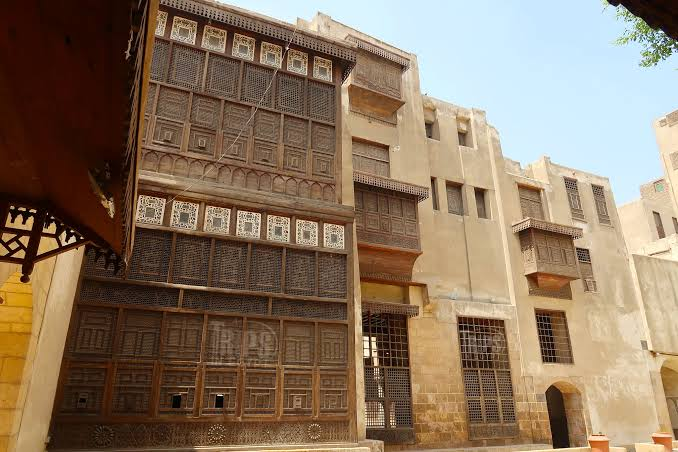
The history of Bayt Al Suhaymi is a tale of architectural evolution. The original structure was built in 1648 by Sheikh Abdel Wahab el-Tablawy, but it gained its modern name from its final occupant, the prominent Sheikh Mohammed Amin Al-Suhaymi, who lived there in the 19th century.
The house represents a fascinating architectural marriage, composed of two older houses merged into one grand estate. Over the centuries, it was meticulously expanded, with each generation adding layers of beauty—from the delicate carved wooden ceilings to the imported marble inlays and the lush, private garden courtyards. In the late 20th century, the house underwent a world-class restoration project funded by the Arab Fund for Economic and Social Development, which painstakingly preserved its original integrity, making it one of the best-maintained historic homes in the entire Islamic world.
Continue Reading: More Egypt Travel Guides :
- Egypt in the Modern Era | History & Transformations
- The Precinct of Amun-Re: A Deep Dive into Ancient Splendor – Bright Egypt Travel
Architectural Style & Layout
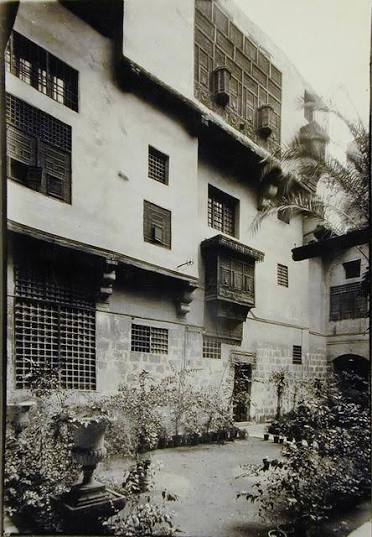
Bayt Al Suhaymi is a masterclass in the “Introverted House” philosophy—a design principle where the building turns its back to the dusty, noisy street to create a paradise of silence and greenery within its own walls.
The house is famed for its “climate management” features:
- The Courtyard (Hosh): A central, open-air garden featuring fruit trees, a marble fountain, and a pool that naturally lowers the ambient temperature through evaporation.
- Mashrabiya (Screens): The house is draped in stunning, fine-carved wooden latticework. These screens are not just decorative; they were designed to allow residents to see the street clearly while remaining completely invisible from the outside, ensuring absolute privacy.
- Natural Air Conditioning: The alignment of the windows and the use of thick limestone walls allow cool breezes to be funneled through the house, keeping the interior refreshing even during summer.
What to See: The Highlights
Walking through Bayt Al Suhaymi feels like stepping onto a period-film set. Don’t miss these highlights:
1. The Central Courtyard
The “heart” of the house. This lush, green sanctuary is the perfect spot for photos, featuring traditional stone seating and a calming water fountain. It’s where the family lived, socialized, and entertained during the temperate evening hours.
2. The Great Reception Hall (Qa’a)
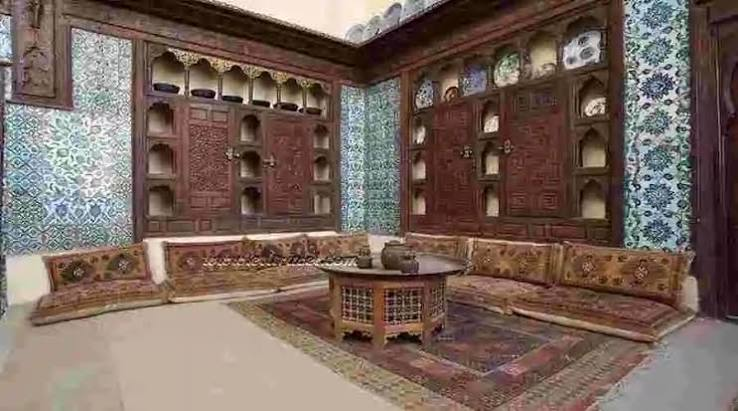
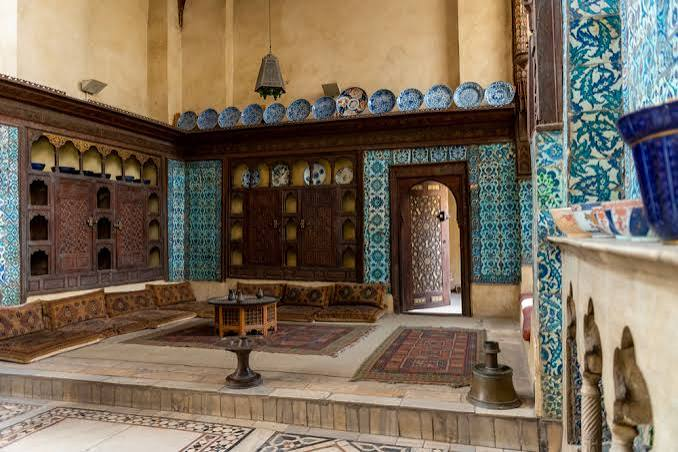
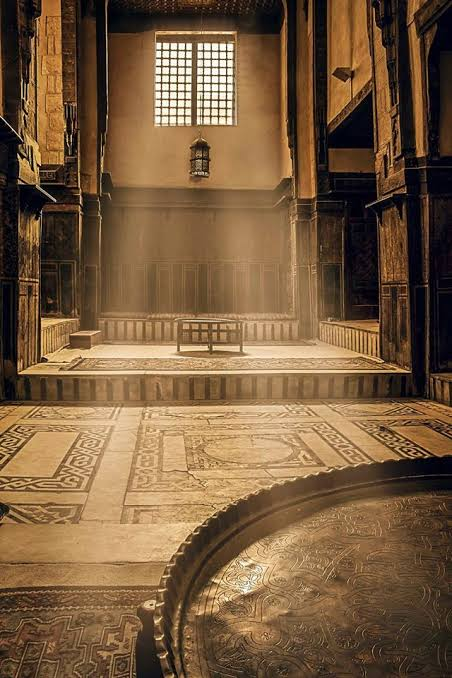
The crown jewel of the interior. Featuring a soaring ceiling, intricate wooden beams painted with gold and natural dyes, and exquisite marble mosaic floors. This is where the Sheikh hosted his most important guests.
3. The Harem Quarters
Explore the upper levels where the private, domestic life took place. The rooms are filled with authentic period furniture, including mother-of-pearl inlaid cabinets, antique lamps, and traditional seating (diwans).
4. The View from the Rooftop
Climb to the upper terrace for a private, elevated view of the historic district. From here, you can see the dense, intricate rooflines of old Cairo, with minarets peaking above the historic neighborhood.
Smart Traveler Guide
- Opening Hours: Daily from 9:00 AM to 5:00 PM.
- Best Time to Visit: Arrive at 10:00 AM. The house is quiet, and the morning light filtering through the mashrabiya screens creates a dramatic “light and shadow” effect that is perfect for professional photography.
Entry Fees:
- International Visitors: Approx. 100 – 150 EGP (Approx. €2.00 – €3.00).
- Tickets: Purchased at the main entrance gate via credit card or cash.
Visitor Etiquette & Tips
- Dress Code: While it is a secular museum, it is a historic site in a traditional neighborhood. Modest attire (covering shoulders and knees) is respectful and appreciated.
- Photography: Smartphone photography for personal use is fully permitted and free. The interplay of light through the wood screens is world-class—take your time to frame your shots!
- Footwear: You may be asked to wear fabric shoe covers (provided) to protect the historic marble and wooden floors.
Insider Tips from Bright Egypt Travel
- Listen to the Silence: The most amazing feature of the house isn’t what you see, but what you don’t hear. Step into the central courtyard and notice how the thick walls completely mute the chaos of Cairo outside. It’s a sensory experience of pure peace.
- Visit the Gift Shop: The museum shop features locally made handicrafts and high-quality books about Islamic architecture that are much better curated than the typical souvenir items found on the main street.
Perfect Day Itinerary: The “Muizz Street” Route
Combine your visit with the other wonders of the area:
- Morning (10:00 AM – 12:00 PM): Start at Bayt Al Suhaymi while it is quiet and cool.
- Noon (12:00 PM – 2:00 PM): Walk just a few minutes south to the main Al-Muizz Street to explore the Qalawun Complex and historic mosques.
- Afternoon (2:00 PM onwards): End your day with a traditional lunch and mint tea in Khan El-Khalili, just a short walk away.
Your Next Egyptian Adventure Starts Here :
- Ultimate Guide to Luxor attractions 2026
- Discover Ahmed Ibn Tulun Mosque | History & Tips
- Mövenpick SS Misr Nile Cruise: Ultimate Royal Luxury Guide
Experience Private Ottoman Luxury
Bayt Al Suhaymi is the quiet, elegant heartbeat of Cairo. It offers a side of the city that is rarely seen by tourists: the world of privacy, art, and refined living.
At Bright Egypt Travel, we curate your historic experience to ensure you aren’t just seeing the sights—you are living them. Let us handle your transportation and expert guiding, so you can focus on the beauty of the architecture.
- Book Your Premium Historical Tour Now: +201032707611
- Contact via WhatsApp: Connect with Bright Egypt Travel today!


