
Islamic Cairo A Journey Through History

Islamic Cairo is a captivating district steeped in history, offering a glimpse into the architectural splendor and cultural richness of Egypt’s Islamic heritage. This area, characterized by its narrow winding streets and bustling markets, serves as a living testament to the city’s evolution over centuries. From the founding of Fustat to the grandeur of the Fatimid period, Islamic Cairo has been a hub of learning, trade, and spirituality. Whether you are wandering through ancient mosques or exploring vibrant bazaars, every corner tells a story. Join us as we delve into the history, key sites, and practical tips for experiencing this remarkable destination.
History The Islamic Cairo
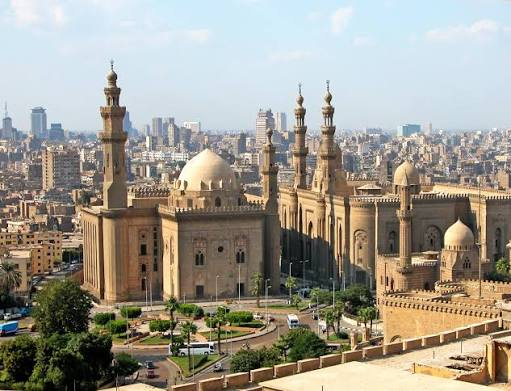
The Foundation of Fustat and the Early Islamic Era
Islamic Cairo traces its origins back to 641 AD with the establishment of Fustat, the first Islamic capital in Egypt. Founded by the Arab general Amr ibn al-As, Fustat served as a military garrison and a center for Islamic administration. This era introduced Islamic laws, customs, and architectural styles that shaped the region’s identity.
The Founding of al-Qahira (Cairo) and the Fatimid Period
In 969 AD, the Fatimid dynasty established al-Qahira, or Cairo, as the new capital, marking a significant development in Islamic Cairo’s history. The Fatimids were known for their patronage of the arts and sciences, leading to a flourishing of culture and education. The Al-Azhar Mosque, one of the oldest universities in the world, was built during this time, symbolizing the city’s status as a center of Islamic learning.
Cairo’s Ascendance in the Ayyubid and Mamluk Periods
Cairo as a Provincial Capital of the Ottoman Empire
Under Ottoman rule, Islamic Cairo continued to thrive as a provincial capital. The Ottomans significantly contributed to the city’s landscape, adding monumental structures like the Suleiman Pasha Mosque. They preserved many historical sites while introducing new architectural styles that blended Ottoman and Islamic design elements.
Cairo Under Muhammad Ali Pasha and the Khedives
The 19th century marked a transformative period for Islamic Cairo under Muhammad Ali Pasha, often considered the father of modern Egypt. His regime saw extensive modernization efforts, including infrastructure improvements and urban planning. The Khedives that followed continued this trend, further integrating Western influences into the city while maintaining its Islamic heritage.
Continue Reading: More Egypt Travel Guides :
- Nubian Museum: A Comprehensive Guide to Aswan’s Cultural Treasure – Bright Egypt Travel
- Mamluk and Ottoman Period A Historical Overview
- Exploring Medinet Madi: Egypt’s Hidden Archaeological Treasure – Bright Egypt Travel
Historic Sites and Monuments
Mosques
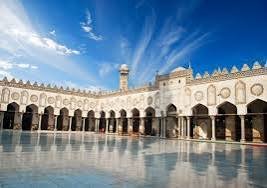
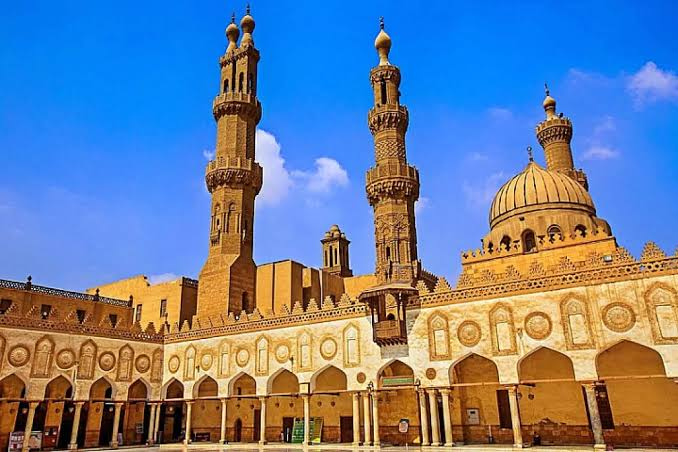
Islamic Cairo is home to some of the most remarkable mosques in the world. The Al-Azhar Mosque, founded in 970 AD, serves as both a place of worship and a center for Islamic scholarship. Notable mosques include the Mosque of Ibn Tulun, known for its unique minaret and vast courtyard, and the Sultan Hassan Mosque, celebrated for its stunning architecture and grandeur.
Shrines and Mausoleums
Visitors can find numerous shrines and mausoleums throughout Islamic Cairo, reflecting the city’s deep spiritual roots. The mausoleum of Imam al-Shafi’i is a significant pilgrimage site for many Muslims, while the Sayyida Nafisa Mosque honors the great-granddaughter of the Prophet Muhammad.
Walls and Gates
The ancient walls of Islamic Cairo, originally built for protection, stand as a testament to the city’s historical significance. The Bab Zuweila gate, one of the only remaining gates, offers a glimpse into the past and is a popular spot for photography, especially at sunset.
The Citadel
The Citadel of Saladin is a must-visit landmark, offering panoramic views of the city. This impressive fortress complex includes several mosques, museums, and the famous Mosque of Muhammad Ali, known for its striking dome and beautiful interiors.
Markets and Commercial Buildings
Khan el-Khalili, a bustling market in Islamic Cairo, is a vibrant hub for shopping and cultural exchange. Visitors can explore its narrow alleys lined with shops selling everything from spices and textiles to jewelry and handcrafted souvenirs. The market is also famous for its traditional coffee houses, where one can relax and soak in the atmosphere.
Visiting Islamic Cairo
Getting Around
Navigating Islamic Cairo can be an adventure in itself. The district’s narrow streets are often crowded, making walking the best way to explore. Alternatively, taxis and microbuses are available but may be less reliable. For an authentic experience, consider using a bicycle rickshaw, allowing you to enjoy the scenery while being transported.
Walking in Islamic Cairo
A Challenging Walk
While walking in Islamic Cairo is rewarding, it can also be challenging due to uneven pavements and busy streets. Wear comfortable shoes and stay hydrated. Early mornings are the best times to explore, as the streets are less crowded and the weather is cooler.
Islamic Cairo Walking Tour Options
For those who prefer guided experiences, several walking tours are available, showcasing the historical sites and local culture. These tours typically focus on specific themes, such as Islamic architecture or culinary experiences, offering insights that enhance your visit.
Essential Tips for Your DIY Tour
– Dress Modestly: Respect local customs by wearing clothing that covers your shoulders and knees, especially when visiting religious sites.
– Stay Hydrated: Carry a bottle of water, as exploring can be physically demanding.
– Learn Basic Arabic Phrases: Knowing a few words can enhance interactions with locals.
– Be Cautious with Your Belongings: As in any busy tourist area, keep an eye on your belongings.
Exploring Islamic Cairo: Suggested Itineraries
Exploring Islamic Cairo can be tailored to fit any schedule. Here’s a sample itinerary for a day of discovery:
Sample Itinerary
– Morning: Start with a visit to the Citadel of Saladin, followed by the Mosque of Muhammad Ali.
– Midday: Stroll through Khan el-Khalili for shopping and lunch at a local café.
– Afternoon: Visit the Al-Azhar Mosque and nearby Al-Azhar Park for a relaxing break.
– Evening: Explore the historic streets of Islamic Cairo, perhaps ending with dinner in a traditional restaurant.
Your Next Egyptian Adventure Starts Here :
- Red Sea and Sinai | A Comprehensive Travel Guide 2026
- Roman Amphitheatre Alexandria – Bright Egypt Travel
Key Sites and Attractions
The Citadel
The Citadel is one of the most significant attractions in Islamic Cairo. Built in the 12th century, it served as the seat of power for many Egyptian rulers. The site includes several important structures and museums.
Practical Information about the Citadel
– Opening Hours: Daily from 9 AM to 5 PM
– Entry Fee: Approximately 60 EGP
– Accessibility: The site is wheelchair accessible, but some areas may have uneven surfaces.
Walking on Muizz Street
Muizz Street is the heart of Islamic Cairo, lined with some of the most important historical buildings. Walking here allows you to immerse yourself in the architectural beauty and vibrant atmosphere of the district.
Al-Hakim Mosque
Built in 1013 AD, Al-Hakim Mosque is one of the largest mosques in Cairo. It showcases beautiful Islamic architecture and is a peaceful place for reflection.
Qalawun Complex
The Qalawun Complex is an architectural masterpiece that includes a mosque, a school, and a hospital. It exemplifies the Mamluk architectural style, making it a highlight for visitors interested in Islamic architecture.
Khan el-Khalili
This famous bazaar is a bustling market filled with shops selling traditional crafts, jewelry, and souvenirs. Don’t miss the chance to enjoy the local café culture, where you can savor mint tea or strong Arabic coffee.
Café Culture
Khan el-Khalili is known for its vibrant café scene. Sit back and enjoy the atmosphere while trying local delicacies like baklava or kunafa.
Al-Azhar Mosque
Al-Azhar Mosque is not just a place of worship but also a key institution for Islamic study. Its stunning architecture and historical significance make it a must-see for anyone visiting Islamic Cairo.
Al-Azhar Park
This beautifully landscaped park offers a serene escape from the hustle and bustle of the city. It provides fantastic views of the Cairo skyline and is perfect for a leisurely stroll or picnic.
Where to Eat in Islamic Cairo
Islamic Cairo boasts a rich culinary scene, offering various dining options. From street food stalls to upscale restaurants, there’s something for everyone. Try traditional dishes like koshari, falafel, and shawarma for an authentic taste of Egyptian cuisine. Popular dining spots include:
– Abou Tarek: Famous for koshari, a beloved Egyptian dish.
– El Fishawy: A historic café in Khan el-Khalili known for its mint tea.
– Naguib Mahfouz Restaurant: Offers traditional Egyptian dishes in a charming setting.
Places to Stay in Islamic Cairo
Accommodation in Islamic Cairo ranges from luxury hotels to budget-friendly hostels. Here are a few options to consider:
– Kempinski Nile Hotel: A luxury hotel with stunning views of the Nile.
– Arabian Nights Hotel: A budget-friendly option with a traditional atmosphere.
– Marriott Mena House: Located near the Pyramids, offering a unique blend of luxury and history.
Islamic Cairo is a captivating destination that offers a rich tapestry of history, culture, and architecture. Whether you are exploring the ancient mosques, bustling markets, or lush parks, this historic district promises a memorable experience. Embrace the charm of Islamic Cairo and immerse yourself in its vibrant atmosphere. Plan your visit today and discover the enchanting beauty of this timeless city.
Book Your Luxury Egypt Adventure Today
True travel is about discovering the perfect balance between vibrant energy and elegant peace. Wandering through ancient, sunlit streets, watching timeless landscapes glide by, and standing atop breathtaking architectural landmarks offers a sophisticated look into a nation’s magnificent cultural renaissance.
At Bright Egypt Travel, we excel at turning standard sightseeing into deeply memorable, luxury cultural journeys. From handling all your private transfers in absolute comfort to pairing you with passionate expert guides, we manage the details so you can enjoy the pure magic.
Book Your Premium Guided Luxury Tour Now: +201032707611
Contact via WhatsApp: Connect directly with Bright Egypt Travel today and elevate your holiday to the height of luxury!


