
Mamluk and Ottoman Period A Historical Overview

The Mamluk and Ottoman Period marks a transformative era in Middle Eastern history, characterized by the rise and fall of powerful empires. The Mamluks, originally slave soldiers, established a sultanate that thrived from the 13th to the 16th centuries before succumbing to the Ottomans. This article delves into the origins of the Mamluk Sultanate, the transition to Ottoman rule, and the ensuing cultural and political developments. By exploring key battles, events, and the lasting legacy of this period, we gain insight into how these historical dynamics shaped the modern Middle East.
Overview of the Mamluk Sultanate
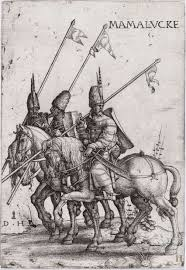
Origin and Rise of the Mamluks
The Mamluks began as a group of slave warriors who gained power in Egypt after overthrowing their Ayyubid masters in 1250. This unique military caste established the Mamluk Sultanate, known for its military prowess and cultural achievements. They successfully repelled the Mongol invasions, particularly during the pivotal Battle of Ain Jalut in 1260, which was crucial in defending the Islamic world.
Key Achievements of the Mamluk Era
The Mamluk Sultanate is notable for its architectural innovations, epitomized by grand mosques and public buildings like the Mosque of Muhammad Ali in Cairo. Additionally, they promoted trade and culture, establishing Cairo as a vibrant center of learning and commerce. Their reign was marked by a fusion of Persian, Arab, and Turkish influences that significantly enriched Islamic culture.
Transition to Ottoman Rule
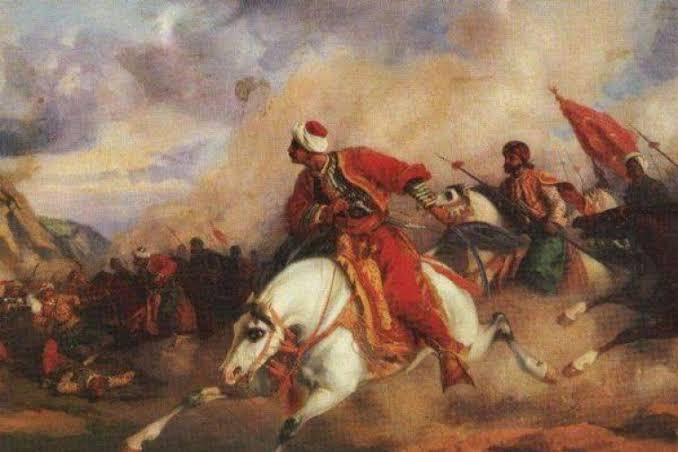
The Ottoman–Mamluk War (1516–1517)
The Ottoman–Mamluk War was a critical conflict that led to the decline of Mamluk power and the expansion of the Ottoman Empire.
Background of the Conflict
The conflict arose as the Ottomans expanded their territory into Mamluk domains, seeking control over lucrative trade routes and the holy cities of Mecca and Medina. The Mamluks, led by Sultan Qansuh al-Ghawri, resisted yielding their influence, which escalated tensions and ultimately led to war.
Key Operations
The war featured several significant military operations:
- Operations in the Levant (1516): The Ottomans launched a campaign to capture Syria, resulting in battles in Aleppo and Damascus.
- Operations in Egypt (1517): Following their success in Syria, the Ottomans advanced into Egypt, culminating in the decisive Battle of Ridaniya.
- Operations in the Red Sea (1517): The Ottomans aimed to control Red Sea trade routes, further consolidating their power in the region.
Results and Aftermath of the War
The conflict concluded with a decisive Ottoman victory, resulting in significant territorial changes.
Territorial Changes
The Mamluk Sultanate was effectively dissolved, and its territories were absorbed into the Ottoman Empire, which expanded its influence throughout the Middle East.
Casualties and Human Impact
The war resulted in considerable casualties on both sides, with many Mamluks executed or forced into exile. The local populace faced disruptions as the Ottomans established new administrative frameworks.
Cultural and Political Shift
The transition to Ottoman rule brought substantial changes in governance and culture. The Ottomans implemented a more centralized administration while integrating the Mamluk elite into their system, preserving elements of Mamluk culture alongside their own.
Continue Reading: More Egypt Travel Guides :
- Nubian Museum: A Comprehensive Guide to Aswan’s Cultural Treasure – Bright Egypt Travel
- Exploring Medinet Madi: Egypt’s Hidden Archaeological Treasure – Bright Egypt Travel
Cultural and Political Developments Mamluk and Ottoman Period
Administrative Structures Under Ottoman Rule
The administrative system evolved under Ottoman rule to accommodate vast territories and diverse populations. The Ottomans employed the millet system, allowing religious communities to maintain their laws and customs while ensuring loyalty to the empire. This approach fostered relative peace among various religious groups, including Muslims, Christians, and Jews.
Religious Authority and Its Transformation
The Ottomans positioned themselves as leaders of the Islamic world, claiming the title of Caliph. They sought to legitimize their rule through religious authority, which had previously been held by the Mamluks. This shift had profound implications for governance, as the Ottomans aimed to unify the Muslim community under their authority.
Artistic and Architectural Contributions
The Mamluk and Ottoman periods are celebrated for their rich artistic and architectural heritage. The Ottomans constructed grand mosques, such as the Suleymaniye Mosque in Istanbul, showcasing a synthesis of Mamluk and Byzantine architectural styles. This period also witnessed advancements in calligraphy, ceramics, and textile arts, flourishing under the patronage of both Mamluk and Ottoman rulers.
Key Battles and Events
Major Conflicts During the Mamluk and Ottoman Period
Numerous battles defined the Mamluk and Ottoman periods, influencing regional power dynamics. Key conflicts, such as the Battle of Ain Jalut (1260), where the Mamluks halted Mongol advances, and the Ottoman–Mamluk War, exemplified the shifting tides of power.
Influence of Wars on Regional Dynamics
The wars between the Mamluks and Ottomans reshaped the Middle Eastern geopolitical landscape. The fall of the Mamluks signified the end of their influence and the rise of Ottoman dominance, altering trade routes, cultural exchanges, and political alliances throughout the region.
Your Next Egyptian Adventure Starts Here :
- Ultimate Guide to Exploring Islamic Cairo 2026
- Red Sea and Sinai | A Comprehensive Travel Guide 2026
- Roman Amphitheatre Alexandria – Bright Egypt Travel
Legacy of the Mamluk and Ottoman Period
Historical Significance
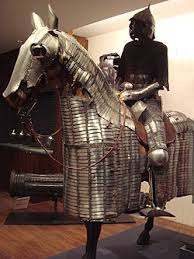
The Mamluk and Ottoman Period laid the foundation for modern Middle Eastern states. Their legacy is evident in the cultural, religious, and political structures that continue to shape the region today. Achievements in administration, architecture, and the arts remain cornerstones of Middle Eastern heritage.
Lasting Impacts on Modern Middle Eastern States
The transition from Mamluk to Ottoman rule established governance patterns that resonate in contemporary Middle Eastern politics. Issues of identity, religious authority, and governance can be traced back to this pivotal historical era, impacting present-day nation-states and their interrelationships.
The Mamluk and Ottoman Period was a watershed moment in Middle Eastern history, marked by military conquests, cultural exchanges, and administrative innovations that have left a lasting legacy. Understanding this era provides valuable insights into the complexities of modern Middle Eastern societies. As we continue to explore this rich history, we are reminded of the interconnectedness of cultures and the enduring impact of past empires on our present world.
Book Your Luxury Egypt Adventure Today
True travel is about discovering the perfect balance between vibrant energy and elegant peace. Wandering through ancient, sunlit streets, watching timeless landscapes glide by, and standing atop breathtaking architectural landmarks offers a sophisticated look into a nation’s magnificent cultural renaissance.
At Bright Egypt Travel, we excel at turning standard sightseeing into deeply memorable, luxury cultural journeys. From handling all your private transfers in absolute comfort to pairing you with passionate expert guides, we manage the details so you can enjoy the pure magic.
Book Your Premium Guided Luxury Tour Now: +201032707611
Contact via WhatsApp: Connect directly with Bright Egypt Travel today and elevate your holiday to the height of luxury!


