
Discover the Middle Kingdom of Ancient Egypt.

The Middle Kingdom of Ancient Egypt, spanning roughly from 2050 to 1710 BCE, marks a significant period in ancient history characterized by stability, prosperity, and cultural flourishing. Following the tumultuous First Intermediate Period, this era is often referred to as the “Classical Age” of ancient Egypt, where art, literature, and architectural achievements reached new heights. This article delves into the political history, administration, agriculture, art and architecture, technology, and literature of the Middle Kingdom, highlighting its enduring legacy and influence on subsequent periods of Egyptian history.
Overview the Middle Kingdom of Ancient Egypt.
-
Historical Context
The Middle Kingdom emerged as a response to the chaos of the First Intermediate Period, a time of fragmentation and local rule. The reunification of Egypt began under the Eleventh Dynasty, setting the stage for a renaissance in culture and governance. This period witnessed the establishment of a centralized authority that allowed for advancements in various fields, ultimately leading to a flourishing civilization.
-
Timeframe of the Middle Kingdom
The Middle Kingdom is typically divided into two main dynasties: the Eleventh and Twelfth Dynasties. This era lasted from approximately 2050 to 1710 BCE, concluding with the onset of the Second Intermediate Period, characterized by the invasion of the Hyksos.
Political History the Middle Kingdom of Ancient Egypt.
Periods of Ancient Egypt
Understanding the Middle Kingdom requires contextualizing it within the broader timeline of Ancient Egypt, which can be divided into several key periods:
- First Intermediate Period: Marked by political instability and local rulers.
- Reunification under the Eleventh Dynasty: A pivotal moment for restoring central authority.
The Eleventh Dynasty
- Key Figures: Mentuhotep II is recognized as the founder of the Middle Kingdom. He successfully reunited Egypt and established a strong central government.
- Administrative Reforms: Mentuhotep II implemented reforms that strengthened the power of the pharaoh and reorganized provincial governance.
The Twelfth Dynasty
- Key Figures: Amenemhet I and Senusret III were prominent pharaohs during this era. Amenemhet I is known for military campaigns and establishing a new capital at Itjtawy, while Senusret III expanded Egypt’s influence and secured its borders.
- Achievements and Governance: This dynasty is renowned for its administrative efficiency, including the use of nomarchs (provincial governors) who managed local affairs.
Decline into the Second Intermediate Period
- Fragmentation of Authority: The decline began as central power weakened, leading to regional autonomy.
- Rise of the Hyksos: This foreign dynasty invaded and ruled parts of Egypt, marking a significant transition into the Second Intermediate Period.
Administration the Middle Kingdom of Ancient Egypt.
Centralized Governance
The Middle Kingdom saw the establishment of a centralized governance system that allowed the pharaoh to exert control over various aspects of life, including taxation, military, and infrastructure development.
Provincial Government
- Role of Nomarchs: Nomarchs were appointed to oversee regions, balancing local governance with central authority. They played a crucial role in the administration of justice and collection of taxes, ensuring the stability of the kingdom.
Agriculture and Climate the Middle Kingdom of Ancient Egypt.
Importance of the Nile
The Nile River was the lifeblood of Ancient Egypt, providing water for irrigation and fertile soil for agriculture. The predictable annual flooding of the Nile allowed for the cultivation of crops such as wheat and barley, which were essential to the economy.
Agricultural Innovations
The Middle Kingdom saw significant advancements in agricultural techniques, including:
- Irrigation Systems: Enhanced canals and dikes allowed for better water management.
- Crop Rotation: Farmers began to practice crop rotation, increasing yield and sustainability.
Art and Architecture the Middle Kingdom of Ancient Egypt.
Artistic Developments
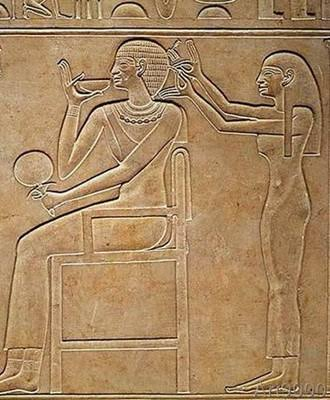
The Middle Kingdom is noted for its artistic achievements, which included realistic sculpture and intricate carvings. Artists focused on the portrayal of human figures, creating lifelike representations.
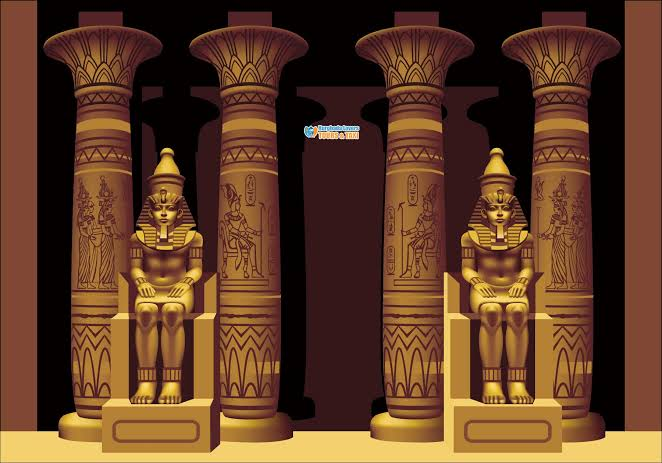
- Statuary and Monumental Building: The construction of temples and tombs, such as those at Deir el-Bahari, reflected the era’s architectural prowess.
Influence of Religion on Art
Religion played a central role in guiding artistic expression during the Middle Kingdom. Many artworks were created to honor the gods and commemorate the deceased, illustrating the intertwining of art and spirituality.
Technology the Middle Kingdom of Ancient Egypt.
Advances in Metalworking
The Middle Kingdom witnessed significant advancements in metalworking, particularly with the use of bronze. This innovation led to the creation of better tools and weapons, enhancing agricultural productivity and military capabilities.
Innovations in Tools and Weapons
- Plows and Sickles: Improved farming tools allowed for more efficient agriculture.
- Military Equipment: The development of chariots and bronze weapons transformed warfare and defense strategies.
Literature the Middle Kingdom of Ancient Egypt.
Significant Literary Works
The Middle Kingdom is celebrated for its literary achievements, with notable texts including:
- The Tale of the Shipwrecked Sailor: A story reflecting themes of adventure and morality.
- The Story of Sinuhe: An autobiographical tale showcasing the values of loyalty and the complexities of identity.
Themes in Middle Egyptian Literature
Literature from this time often explored themes of fate, the afterlife, and the relationship between humanity and the divine, reflecting the cultural values and beliefs of the society.
Achievements of the Middle Kingdom
Construction Projects
The era is marked by grand construction projects, including temples, pyramids, and cities. These projects not only served religious purposes but also demonstrated the wealth and power of the pharaohs.
Cultural Flourishing
The Middle Kingdom was a time of cultural renaissance, with advancements in music, dance, and festivals. The arts flourished, leading to a vibrant cultural scene that influenced later generations.
Agricultural Development
With improved agricultural practices, the Middle Kingdom experienced economic prosperity. Increased food production supported a growing population and allowed for the emergence of a diverse economy.
The Middle Kingdom of Ancient Egypt stands out as a pivotal era that shaped the cultural, political, and agricultural landscape of the region. Its achievements in art, literature, and governance laid the groundwork for future dynasties and left a lasting legacy on Egyptian civilization. Understanding this remarkable period offers valuable insights into the complexities of ancient societies and their enduring influences. Explore more about this fascinating era to fully appreciate its impact on history!
Book Your Luxury Egypt Adventure Today
True travel is about discovering the perfect balance between vibrant energy and elegant peace. Wandering through ancient, sunlit streets, watching timeless landscapes glide by, and standing atop breathtaking architectural landmarks offers a sophisticated look into a nation’s magnificent cultural renaissance.
At Bright Egypt Travel, we excel at turning standard sightseeing into deeply memorable, luxury cultural journeys. From handling all your private transfers in absolute comfort to pairing you with passionate expert guides, we manage the details so you can enjoy the pure magic.
Book Your Premium Guided Luxury Tour Now: +201032707611
Contact via WhatsApp: Connect directly with Bright Egypt Travel today and elevate your holiday to the height of luxury!


