
Discover the Golden Age of The New Kingdom of Ancient Egypt

The New Kingdom of Ancient Egypt, spanning from approximately 1570 to 1069 BC, marks a dynamic period characterized by immense territorial expansion, cultural richness, and monumental achievements. This era is often celebrated as the pinnacle of ancient Egyptian civilization, boasting powerful pharaohs such as Ahmose I, Hatshepsut, and Ramesses II. With the unification of Upper and Lower Egypt, the New Kingdom witnessed a flourishing of art, architecture, and religious practices. This article delves into the significant events, influential rulers, and lasting legacy of the New Kingdom, providing a comprehensive understanding of its impact on Egypt and the broader ancient world.
History The New Kingdom of Ancient Egypt
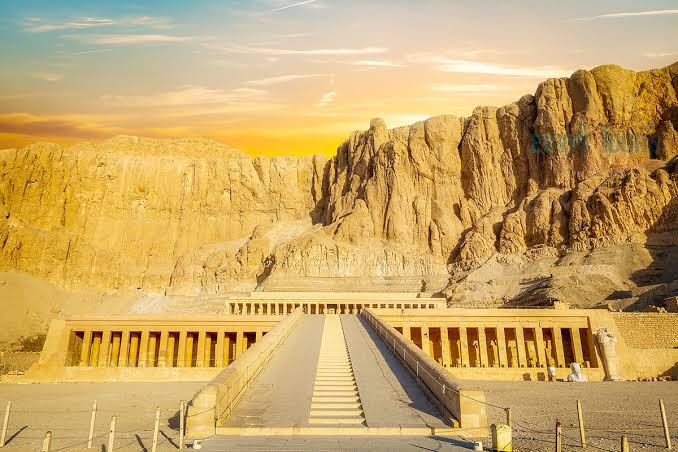
Rise of the New Kingdom
The New Kingdom of Ancient Egypt emerged following the expulsion of the Hyksos, a foreign power that ruled Egypt for over a century. This period began with the reign of Ahmose I (c. 1570–1546 BC), who played a pivotal role in reclaiming Egyptian sovereignty. His military campaigns against the Hyksos not only restored unity but also set the foundation for the New Kingdom’s expansionist policies.
Key figures of this transformative era include:
- Ahmose I: The founder of the Eighteenth Dynasty, celebrated for unifying Egypt.
- Hatshepsut: One of the few female pharaohs, known for expanding trade networks and monumental construction projects.
- Thutmose III: Often referred to as the “Napoleon of Egypt,” he led numerous military campaigns that extended Egypt’s borders into Nubia and the Levant.
These early rulers established a legacy of unprecedented prosperity and cultural development, solidifying Egypt’s status as a major power in the ancient world.
Continue Reading: More Egypt Travel Guides :
- Alexander the Great: His Life, Conquests, and Legacy
- Alexandria Sights to Visit
Height of Power
Eighteenth Dynasty
The Eighteenth Dynasty (c. 1550–1292 BC) is often regarded as the height of the New Kingdom, characterized by remarkable achievements in art, architecture, and religion.
- Amenhotep III: Known for his luxurious reign, he oversaw the construction of impressive monuments, including the Colossi of Memnon and the Temple of Luxor. His reign marked a golden age of cultural flourishing.
- Akhenaten: Notable for his radical religious reforms, Akhenaten shifted the focus of worship from traditional polytheism to Aten, the sun disk. This period saw significant artistic changes, emphasizing naturalism in representation.
Nineteenth Dynasty
Following the Eighteenth Dynasty, the Nineteenth Dynasty (c. 1292–1189 BC) continued the legacy of military and architectural grandeur.
- Ramesses I: The founder of the Nineteenth Dynasty, known for initiating ambitious building projects.
- Seti I: His reign was marked by military successes and the construction of the magnificent Temple of Seti I at Abydos.
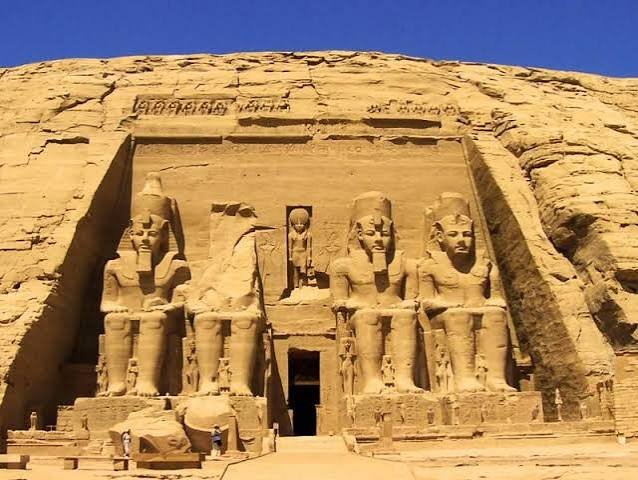
- Ramesses II: Often hailed as one of Egypt’s greatest pharaohs, he led the famous Battle of Kadesh against the Hittites. His reign included monumental constructions like the Ramesseum and the temples at Abu Simbel, showcasing the artistic and architectural prowess of the time.
Civil War and Instability
The New Kingdom’s stability was not without challenges. Internal strife, particularly during succession disputes, often led to civil war. The most notable instance was the aftermath of the death of Ramesses II, which triggered a series of succession crises. These disputes weakened central authority and destabilized the kingdom, contributing to the eventual decline of this once-mighty civilization.
Final Years of the New Kingdom
As the New Kingdom progressed into its later years, it faced numerous challenges that contributed to its decline.
- Ramesses III: His reign (c. 1186–1155 BC) marked the last significant period of power for the New Kingdom. He successfully defended Egypt against invasions from the Sea Peoples but faced internal strife and economic troubles.
- Decline into the Third Intermediate Period: Following Ramesses III, Egypt entered a phase characterized by weakened central power, increased local governance by the High Priests of Amun, and foreign invasions. The fragmentation of authority led to the emergence of competing dynasties and ultimately the Third Intermediate Period.
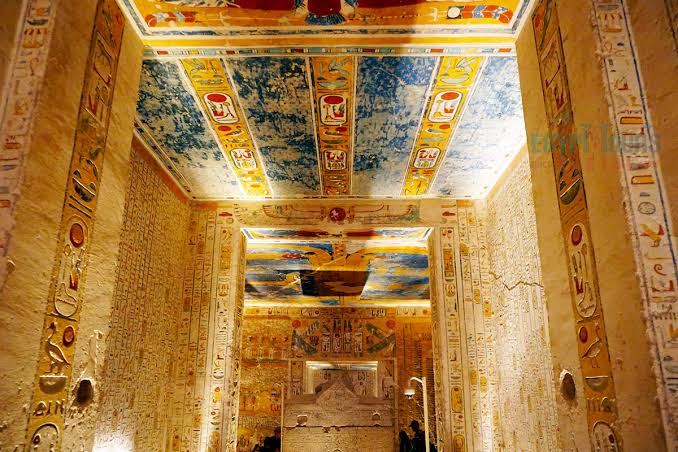
Gallery of Achievements The New Kingdom of Ancient Egypt
The New Kingdom of Ancient Egypt left behind a rich legacy of art and architecture. Significant artifacts and monuments include:
- Hatshepsut as a Sphinx: A striking representation of Hatshepsut, symbolizing her power and divine connection.
- Mortuary Temple of Hatshepsut: An architectural marvel located at Deir el-Bahari, blending seamlessly with its natural surroundings.
- Thutmose III Statues: Statues reflecting the pharaoh’s military prowess and artistic advancements.
- Akhenaten and Nefertiti Representations: Artworks showcasing the distinctive artistic style of the Amarna Period.
- Tutankhamun’s Mask: The iconic funerary mask of the young pharaoh, a testament to the artistry and wealth of the New Kingdom.
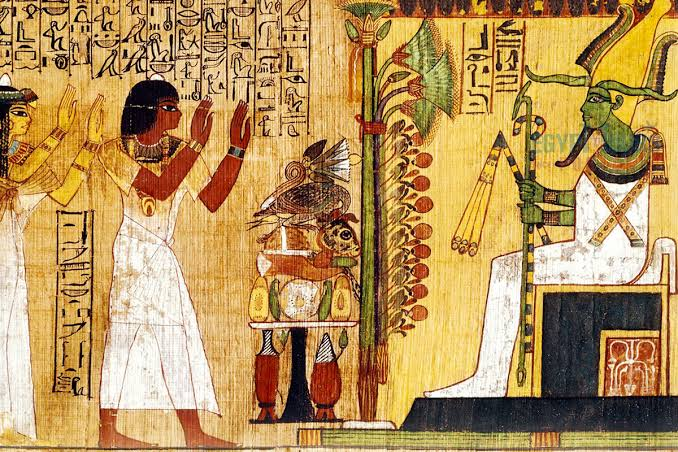
See Also The New Kingdom of Ancient Egypt
For further exploration of this fascinating era, consider the following topics:
- History of Ancient Egypt: An overview of the entire timeline of Egyptian civilization.
- List of Notable Pharaohs: A detailed look at influential rulers throughout Egyptian history.
- Egyptian Religion and Mythology: Insight into the belief systems that shaped ancient Egyptian culture.
References The New Kingdom of Ancient Egypt
To enhance your understanding of the New Kingdom of Ancient Egypt, explore these academic sources and scholarly articles:
- [Egypt’s Golden Age: The Art of Living In the New Kingdom](#)
- [Pharaohs of the Sun: Akhenaten, Nefertiti, Tutankhamun](#)
- [War In Ancient Egypt: The New Kingdom](#)
Further Reading The New Kingdom of Ancient Egypt
For those interested in a deeper dive into this period, the following books are recommended:
- Egypt’s Golden Age: The Art of Living In the New Kingdom
- Pharaohs of the Sun: Akhenaten, Nefertiti, Tutankhamun
- War In Ancient Egypt: The New Kingdom
The New Kingdom of Ancient Egypt stands as a testament to human achievement and resilience. This era not only shaped the course of Egyptian history but also left a lasting legacy that continues to capture the imagination of people worldwide. Understanding this remarkable period enriches our appreciation for ancient civilizations and their profound impact on the world. For more insights into the New Kingdom and its fascinating history, explore the resources provided in this article.
Your Next Egyptian Adventure Starts Here :
- Salah Ad-Din The Heroic Leader Who Shaped Egypt
- Amr Ibn Al-Aas Life Legacy and Historical Significance
- The Ramesseum: A Comprehensive Guide to the Mortuary Temple of Ramesses II – Bright Egypt Travel
Book Your Luxury Egypt Adventure Today
True travel is about discovering the perfect balance between vibrant energy and elegant peace. Wandering through ancient, sunlit streets, watching timeless landscapes glide by, and standing atop breathtaking architectural landmarks offers a sophisticated look into a nation’s magnificent cultural renaissance.
At Bright Egypt Travel, we excel at turning standard sightseeing into deeply memorable, luxury cultural journeys. From handling all your private transfers in absolute comfort to pairing you with passionate expert guides, we manage the details so you can enjoy the pure magic.
Book Your Premium Guided Luxury Tour Now: +201032707611
Contact via WhatsApp: Connect directly with Bright Egypt Travel today and elevate your holiday to the height of luxury!


