
Alexander the Great: His Life, Conquests, and Legacy

Alexander the Great, a name synonymous with military genius and ambition, was a king whose conquests reshaped the ancient world. Born in 356 B.C. in Pella, Macedonia, he swiftly ascended to the throne after the assassination of his father, King Philip II. Over the next decade, Alexander embarked on an unprecedented campaign, establishing the largest empire of the ancient world, stretching from Greece to northwestern India. His legacy, however, extends beyond mere conquest; he is celebrated for spreading Greek culture and ideas across vast territories, which led to the Hellenistic Age. This article delves into the multifaceted life of Alexander, examining his early years, military exploits, personal relationships, and the profound impact he left on history.
Continue Reading: More Egypt Travel Guides :
- Discover the Golden Age of The New Kingdom of Ancient Egypt
- Alexandria Sights to Visit
Early Life and Background Alexander the Great
Birth and Heritage Alexander the Great
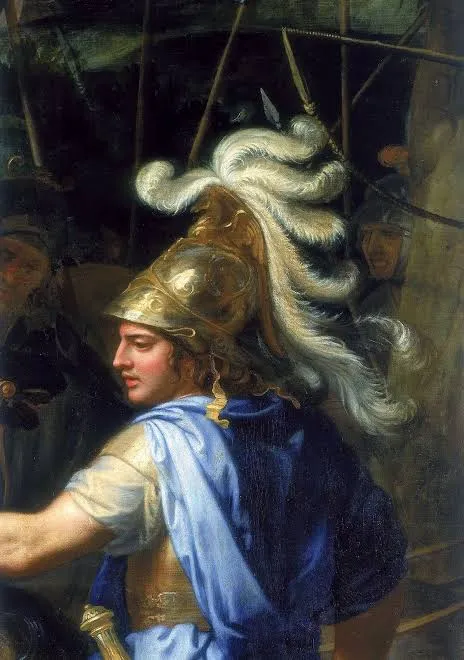
Alexander III, known as Alexander the Great, was born in 356 B.C. in Pella, the ancient capital of Macedonia. His lineage was both royal and divine; his father, King Philip II, was a formidable ruler and military leader, while his mother, Queen Olympias, claimed descent from the hero Achilles. This heritage instilled in Alexander a sense of destiny, believing he was ordained to achieve greatness.
Education and Influences
From a young age, Alexander displayed extraordinary potential. His education was overseen by the philosopher Aristotle, who introduced him to a wide array of subjects, including philosophy, science, and the arts. This tutelage not only sharpened his intellect but also ignited a lifelong passion for knowledge and culture. Alexander’s early exposure to great thinkers equipped him with the strategic mindset necessary for his future conquests.
Ascension to the Throne
In 336 B.C., tragedy struck when Philip II was assassinated. At just 20 years old, Alexander ascended to the Macedonian throne amidst political turmoil. He quickly eliminated potential rivals and restored order, demonstrating his decisiveness. With a newly unified Macedonia, he set his sights on the Persian Empire, determined to fulfill his father’s dream of conquest.
Military Campaigns and Conquests Alexander the Great
Conquering the Persian Empire
Alexander’s military campaigns are legendary, characterized by remarkable strategic brilliance and audacious tactics. His campaign against the Persian Empire began in 334 B.C. when he crossed the Hellespont with an army of approximately 35,000 men.
Key Battles
Battle of Granicus
The first major battle of Alexander’s campaign occurred at the Granicus River, where he faced the Persian satraps. Utilizing a surprise attack, Alexander’s forces achieved a decisive victory, marking the beginning of his conquests in Asia Minor.
Battle of Issus
In 333 B.C., Alexander faced King Darius III in the Battle of Issus. Despite being heavily outnumbered, Alexander’s tactical genius led to a stunning victory that forced Darius to flee, leaving his family behind.
Battle of Gaugamela
The decisive Battle of Gaugamela in 331 B.C. was a turning point in Alexander’s campaign. Despite facing an overwhelming Persian army, Alexander’s superior tactics and the disciplined Macedonian phalanx led to a crushing defeat of Darius, solidifying his control over Persia.
Campaign in Egypt
After conquering Persia, Alexander turned his attention to Egypt, a vital region of the ancient world. In 332 B.C., he entered Egypt as a liberator and was hailed as a hero.
Founding of Alexandria
During his time in Egypt, Alexander founded the city of Alexandria, which would become a major center of culture and learning in the ancient world. The city’s strategic location and vibrant intellectual atmosphere made it a beacon of Hellenistic civilization.
Proclaimed Pharaoh
In addition to his military achievements, Alexander was proclaimed Pharaoh of Egypt. He honored the local gods and integrated Egyptian customs into his reign, which helped solidify his rule and foster goodwill among the populace.
Campaigns in India
Alexander’s ambition led him to the Indian subcontinent, where he faced formidable opponents and new challenges.
Battle of Hydaspes
In 326 B.C., Alexander confronted King Porus at the Battle of Hydaspes. The battle marked a significant moment in Alexander’s career, as Porus’s war elephants posed a unique challenge. Despite this, Alexander’s tactical ingenuity led to yet another victory.
Encounter with King Porus
Following his victory, Alexander was impressed by Porus’s bravery and leadership. Instead of executing him, Alexander reinstated him as a regional ruler, forging an alliance that would benefit both leaders and their respective territories.
Personal Life and Relationships
Friendship and Rivalries
Alexander’s personal relationships were complex, often intertwined with his ambitions and military career.
The Death of Cleitus
One of the most tragic events during Alexander’s reign was the death of Cleitus, a close friend and general. In a fit of rage during a drunken argument, Alexander killed Cleitus, an act that haunted him for the rest of his life, illustrating the emotional toll of leadership and the pressures of power.
Your Next Egyptian Adventure Starts Here :
- Salah Ad-Din The Heroic Leader Who Shaped Egypt
- Amr Ibn Al-Aas Life Legacy and Historical Significance
- The Ramesseum: A Comprehensive Guide to the Mortuary Temple of Ramesses II – Bright Egypt Travel
Marriage to Roxana
In a move that blended personal and political motives, Alexander married Roxana, a Sogdian princess, after falling in love with her during his campaign in the Persian territories. This marriage symbolized his desire to integrate the cultures of his conquered lands, though it also sparked resentment among his Macedonian soldiers.
Cultural Integration and Policies
Alexander’s reign was marked by a commitment to cultural integration, which he believed was essential for maintaining control over his vast empire.
Adoption of Persian Customs
To establish legitimacy among the Persians, Alexander adopted several Persian customs, including royal attire and court rituals. This change was met with skepticism and resistance from his Macedonian followers, who viewed it as a betrayal of their heritage.
The Mass Wedding at Susa
In 324 B.C., Alexander orchestrated a mass wedding at Susa, where he encouraged his officers to marry Persian women. This event was aimed at solidifying alliances and fostering unity between the Macedonians and Persians, although it met with mixed reactions from his troops.
Death and Succession
Circumstances of Death
In 323 B.C., Alexander fell ill in Babylon and died at the age of 32. The exact cause of his death remains a topic of debate among historians, with theories ranging from natural causes to poisoning.
Theories and Speculations
Numerous theories have emerged regarding the cause of Alexander’s death, including malaria, typhoid fever, and even poisoning by political rivals. Despite extensive historical inquiry, the circumstances surrounding his death remain a mystery, adding to his enigmatic legacy.
Legacy and Impact on History
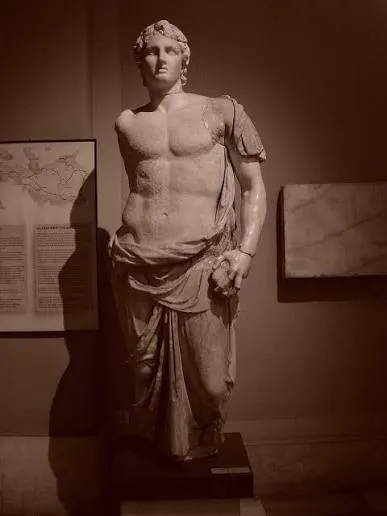
Alexander’s untimely death led to a power vacuum that triggered a struggle for succession among his generals, known as the Diadochi. The resulting conflicts fragmented his empire, but his influence on culture, warfare, and governance endured. The Hellenistic Period, characterized by the spread of Greek culture across the Eastern Mediterranean and Near East, is often attributed to his conquests.
Did Alexander ever lose a battle?
No, Alexander the Great never lost a battle throughout his military career. His tactical innovations and ability to adapt to different combat situations allowed him to achieve victory against larger forces.
How did Alexander’s education influence his leadership?
Alexander’s education under Aristotle instilled in him a love for knowledge, philosophy, and culture, which influenced his approach to governance and military strategy. This background helped him appreciate the value of integrating diverse cultures within his empire.
What was the significance of the Gordian Knot?
The Gordian Knot was a legendary puzzle that Alexander encountered in Phrygia. According to legend, he “solved” the knot by cutting it with his sword, symbolizing his bold and unconventional approach to challenges.
What impact did Alexander have on the Hellenistic Period?
Alexander’s conquests led to the spread of Greek culture and ideas across the regions he conquered, resulting in the Hellenistic Period. This era saw the fusion of Greek and Eastern influences, significantly shaping art, science, and philosophy.
How did Alexander handle dissent within his ranks?
Alexander was known for his decisive leadership, often dealing with dissent through a combination of diplomacy and force. His willingness to eliminate rivals, such as Cleitus, and his efforts to integrate Persian customs reflect the complexities of his rule.
What was Alexander’s vision for his empire?
Alexander envisioned a unified empire where Greek culture blended with local traditions. His efforts to marry Persian and Macedonian customs illustrate his ambition to create a new cultural identity that transcended ethnic boundaries.
Alexander the Great remains a towering figure in history, celebrated for his military prowess, cultural integration, and enduring legacy. His life, marked by ambition and tragedy, serves as a testament to the complexities of leadership and the pursuit of greatness. As we reflect on his achievements, we are reminded of the profound impact one individual can have on the course of history. Whether through his military campaigns or cultural exchanges, Alexander’s influence continues to resonate, inspiring generations to come.


