
Lighthouse of Alexandria: A Marvel of Ancient Engineering

The Lighthouse of Alexandria, often referred to as the Pharos of Alexandria, stands as a testament to the ingenuity and ambition of ancient civilizations. Constructed on the small island of Pharos, this architectural marvel served as a beacon for sailors navigating the treacherous waters of the Mediterranean and symbolized the cultural and intellectual achievements of Hellenistic Egypt. Commissioned by Ptolemy I in the 3rd century BCE, the lighthouse has captivated historians and archaeologists for centuries, inspiring countless stories and legends. In this article, we will explore the historical context, architectural features, and enduring legacy of the Lighthouse of Alexandria, as well as its cultural significance throughout history.
Historical Context
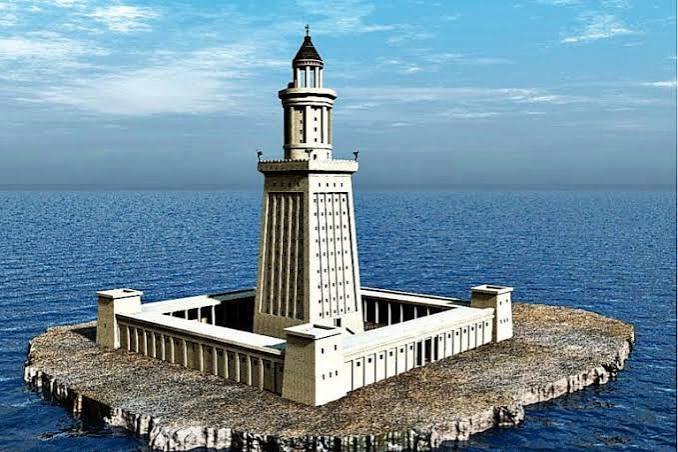
Commissioned by Ptolemy I
The Lighthouse of Alexandria was commissioned by Ptolemy I Soter, the founder of the Ptolemaic Kingdom in Egypt. Following the death of Alexander the Great, Ptolemy sought to establish his authority and showcase the grandeur of his reign. The lighthouse was designed to honor both Alexander and the city of Alexandria, which was rapidly becoming a hub of trade, culture, and scholarship.
Construction Timeline
Construction of the Lighthouse began around 280 BCE and took approximately 12 years to complete. The project was overseen by the architect Sostratus of Cnidus, who employed advanced engineering techniques that were revolutionary for the time. The lighthouse was completed around 268 BCE and stood approximately 100 meters tall, making it one of the tallest structures of the ancient world.
Structural Overview
The Lighthouse of Alexandria was composed of three distinct tiers: a square base, a middle octagonal section, and a circular top. Each level was adorned with statues and decorative elements, enhancing its visual impact. The structure was built primarily from light-colored limestone, which reflected sunlight during the day and was illuminated by a fire at night, guiding sailors safely to shore.
Architectural Features
Design and Structure
The design of the Lighthouse of Alexandria was a remarkable feat of engineering. Its three-tiered structure not only provided stability but also served as a visual beacon for ships approaching the harbor. The base was square, measuring about 30 meters on each side, providing a solid foundation. The octagonal middle section was narrower, leading to the circular top, which housed the lantern.
Continue Reading: More Egypt Travel Guides :
- Aswan Botanical Garden: A Must-Visit Destination in Egypt – Bright Egypt Travel
- The Old Kingdom of Ancient Egypt (c. 2700-2200 BC)
- Explore Minya City, a historical and cultural gem in Upper Egypt, known for its rich history, archaeological treasures, and vibrant culture. – Bright Egypt Travel
Lighting Mechanism
At the top of the lighthouse, a massive open flame was maintained to create a powerful light source. This flame was reflected and intensified by a series of polished bronze mirrors, allowing the light to be seen from great distances. Sailors relied on this beacon to navigate safely through the busy waters of the Mediterranean Sea.
Statues and Symbols
The Lighthouse was crowned with a statue of Zeus or Poseidon, depending on various historical accounts. This statue not only served as a decorative element but also symbolized the divine protection over the city and its maritime activities. The choice of a god related to the sea further emphasized the lighthouse’s primary purpose as a navigational aid.
Purpose and Functionality
Navigational Aid for Mariners
The primary function of the Lighthouse of Alexandria was to serve as a navigational aid for ships entering the bustling harbor of Alexandria. Its impressive height and strategic location made it a crucial landmark for sailors, allowing them to identify the harbor even from a distance. The lighthouse’s light was essential for safe navigation, especially during the night or in poor weather conditions.
Importance in Ancient Trade
Alexandria was one of the most important trade centers in the ancient world, and the lighthouse played a significant role in facilitating maritime commerce. By guiding vessels safely into port, it contributed to the city’s prosperity and established Alexandria as a vital hub for trade between Europe, Asia, and Africa. The lighthouse not only served as a beacon but also symbolized the power and wealth of the Ptolemaic Kingdom.
The Lighthouse Through History
Earthquake Damage and Decline
Over the centuries, the Lighthouse of Alexandria faced multiple challenges, including natural disasters. A series of earthquakes in the 4th and 5th centuries CE caused significant damage to the structure, leading to its gradual decline. By the 14th century, the lighthouse was largely in ruins, its once-majestic form reduced to a shadow of its former glory.
Conversion to a Medieval Fort
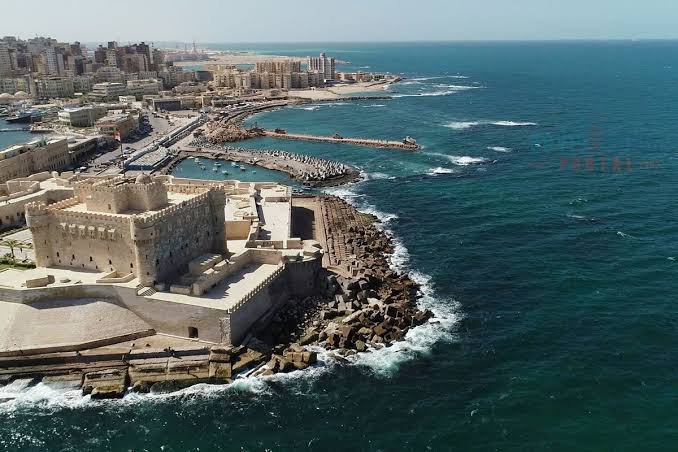
In the 15th century, the remnants of the Lighthouse were repurposed as a fort by the Sultan Qaitbay. This medieval fortification utilized the existing stone and structure of the lighthouse, further diminishing its original identity. The fort played a role in defending Alexandria against naval threats, but it also marked the end of the lighthouse’s function as a navigational aid.
Your Next Egyptian Adventure Starts Here :
- Sharm El-Sheikh | A Premier Destination of Adventure, Culture, and Peace
- Temple of Khonsu: Ancient Marvel of Theban Architecture – Bright Egypt Travel
Rediscovery Efforts
Archaeological Findings
In the 19th century, archaeological efforts began to uncover the remnants of the Lighthouse of Alexandria. Underwater explorations revealed stones and artifacts that were once part of the grand structure. The discoveries provided valuable insights into the lighthouse’s construction and design, reigniting interest in this ancient wonder.
UNESCO Protection
In 1980, the site of the Lighthouse of Alexandria was designated as a UNESCO World Heritage site, recognizing its historical and cultural significance. Efforts continue to preserve and study the remnants of the lighthouse, ensuring that its legacy endures for future generations.
Cultural Significance
Recognition as One of the Seven Wonders
The Lighthouse of Alexandria is often celebrated as one of the Seven Wonders of the Ancient World. Its remarkable design and engineering prowess captured the imagination of ancient scholars and travelers, solidifying its place in history. Even today, it serves as a symbol of human achievement and creativity.
Influence on Future Lighthouses
The architectural innovations of the Lighthouse of Alexandria influenced the design of lighthouses for centuries to come. Its three-tiered structure and lighting mechanisms set a precedent for future navigational aids, ensuring safe passage for mariners around the globe. The principles of lighthouse construction derived from this ancient wonder continue to inform modern designs.
Modern Legacy
Current Status of the Site
Today, the original site of the Lighthouse of Alexandria lies submerged underwater, with remnants scattered across the seabed. However, its legacy lives on through historical accounts and ongoing archaeological efforts. The site remains a focal point for researchers and historians seeking to understand ancient engineering and maritime practices.
Impact on Maritime Culture and Literature
The Lighthouse of Alexandria has left an indelible mark on maritime culture and literature. It has inspired countless stories, poems, and artworks throughout history, symbolizing hope, guidance, and the quest for knowledge. Its image continues to resonate, reminding us of the achievements of ancient civilizations and their enduring influence.
Fun Facts about the Lighthouse of Alexandria
- Construction Feats and Cost: It is estimated that the construction of the lighthouse cost approximately 800 talents, a significant sum at the time.
- Notable Historical Accounts: Ancient historians, including Strabo and Pliny the Elder, documented the lighthouse, providing detailed descriptions that have aided modern understanding.
- Unique Lighting Mechanism: The use of polished bronze mirrors was revolutionary, significantly enhancing the lighthouse’s visibility from afar.
What materials were used in the construction of the lighthouse?
The lighthouse was primarily constructed from light-colored limestone, which allowed it to reflect sunlight during the day. The use of polished bronze mirrors for the lighting mechanism was a significant innovation.
Who was responsible for the design of the Lighthouse of Alexandria?
The architect Sostratus of Cnidus is credited with the design of the lighthouse. His advanced engineering techniques and creative vision contributed to the structure’s grandeur.
How did the Lighthouse of Alexandria influence modern lighthouses?
The architectural innovations of the Lighthouse of Alexandria, such as its three-tiered design and lighting mechanisms, set a precedent for future lighthouse construction, influencing designs around the world.
Where can I find remnants of the Lighthouse of Alexandria today?
The original site of the lighthouse is submerged underwater near the entrance of Alexandria’s harbor. Archaeological efforts continue to uncover remnants and artifacts related to the structure.
Why is the Lighthouse of Alexandria considered one of the Seven Wonders?
The Lighthouse of Alexandria is celebrated as one of the Seven Wonders of the Ancient World due to its remarkable engineering, height, and cultural significance, symbolizing human achievement.
Can visitors experience the legacy of the Lighthouse of Alexandria today?
While the original structure no longer exists, visitors can explore the coastal area of Alexandria, visit museums with artifacts, and engage in archaeological tours that highlight the history of the lighthouse.
The Lighthouse of Alexandria remains an enduring symbol of human ingenuity and ambition. Its remarkable design and historical significance continue to captivate scholars and visitors alike, reminding us of the incredible achievements of ancient civilizations. As we explore the remnants and stories surrounding this ancient wonder, we gain a deeper appreciation for the legacy it has left behind. Whether through ongoing archaeological efforts or the influence it has had on modern engineering, the Lighthouse of Alexandria continues to shine brightly in the annals of history. Embrace the journey of discovery and let the tales of the lighthouse inspire your own explorations of the past.


