
The Western Desert and Oases: A Journey Through Egypt’s Natural and Historical Wonders

The Western Desert and Oases are among Egypt’s best-kept secrets, offering a mesmerizing blend of natural beauty, historical significance, and cultural richness. Stretching from the banks of the Nile to the borders of Libya and Sudan, this vast expanse of arid land is punctuated by lush oases that serve as vital lifelines for both wildlife and human habitation. Each oasis boasts its unique history and charm, from the picturesque Siwa Oasis, known for its ancient oracle, to the archaeological treasures of Bahariyya. This article takes you on an enchanting journey through The Western Desert and Oases, exploring their geography, history, and the myriad of adventures they offer.
Overview of the Western Desert
The Western Desert, part of the larger Sahara Desert, covers more than two-thirds of Egypt’s territory. It is a realm of dramatic contrasts, where rugged mountains meet vast sand dunes and fertile oases emerge like green jewels amidst the arid landscape. The desert is not just a barren wasteland; it is a thriving ecosystem that supports diverse wildlife and unique plant species adapted to the harsh conditions. Its remote beauty and rich cultural heritage make it a destination for adventurers and history enthusiasts alike.
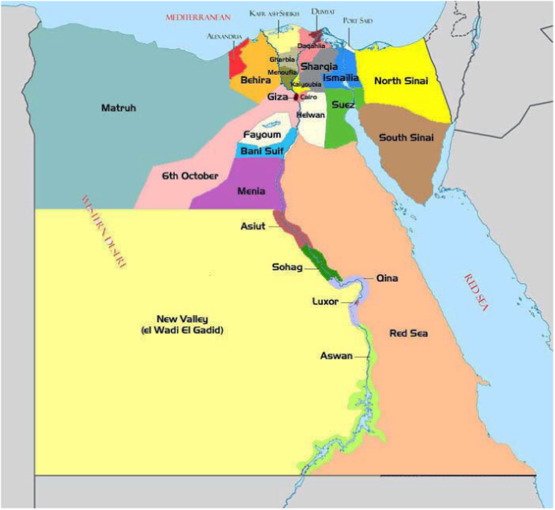
Geography and Boundaries
The Vastness of the Western Desert
Bounded by the Nile River to the east, the Western Desert extends westward into Libya and southward towards Sudan. This enormous area is characterized by its varying landscapes, which include:
- Sand Dunes: Towering dunes that reach heights of up to 100 meters.
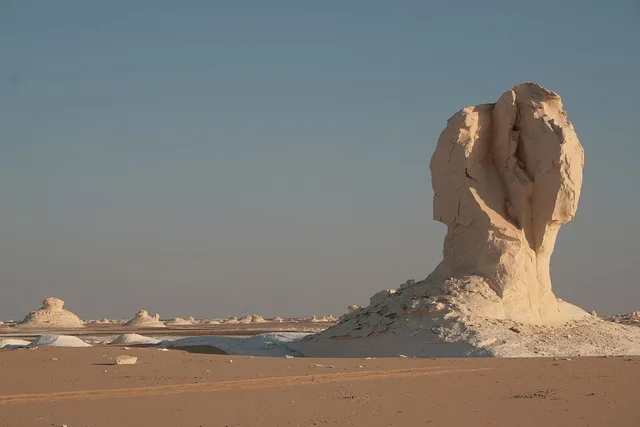
- Rock Formations: Unique geological features such as the White Desert, known for its chalk formations shaped by wind and erosion.
- Salt Flats: Expansive areas like the Qattara Depression, one of the lowest points in Africa.
Key Geological Features
The Western Desert is home to several significant geological formations that underscore its ancient history, including:
- The Great Sand Sea, a vast expanse of shifting sands.
- The White Desert, famous for its surreal, snow-white rock formations.
- The Black Desert, characterized by its volcanic hills and blackened stones.
These features not only define the desert’s landscape but also its climate, which can be harsh and unforgiving, with extreme temperatures ranging from scorching days to freezing nights.
Historical Significance
Ancient Civilizations and Their Impact
The Western Desert has been a crucial part of Egypt’s history, serving as a backdrop for numerous ancient civilizations. Its oases were essential for trade routes connecting the Nile Valley to the Mediterranean and beyond. Notable historical events include:
- The Greco-Roman Period, when the oases thrived due to trade and agriculture.
- The Pharaonic Era, during which the desert served as a burial ground for the dead and a source of minerals.
Major Historical Events
Key moments include:
- The construction of ancient temples in Siwa, where the Oracle of Amun was consulted by pharaohs, including Alexander the Great.
- The Roman military campaigns, which utilized the desert’s routes for movement and logistics.
Today, remnants of these civilizations can still be found, showcasing the desert’s rich archaeological tapestry.
The Oases: Nature’s Lifelines
The oases of the Western Desert are vital for both the environment and human life, providing water, agriculture, and unique cultural experiences. Each oasis has its own distinctive characteristics and historical importance.
Siwa Oasis
Siwa is perhaps the most famous of Egypt’s oases. Known for its:
- Unique culture and traditions, influenced by Berber heritage.
- The Temple of the Oracle, a significant site for ancient prophecies and consultations.
- Stunning landscapes, including salt lakes and palm groves.
Bahariya Oasis
Bahariya is known for its archaeological significance, featuring:
- The Valley of the Golden Mummies, a remarkable discovery of ancient burial sites.
- Various ancient ruins and remnants of Greco-Roman architecture.
Farafra Oasis
Farafra is characterized by its:
- Small population engaged in agriculture and tourism.
- Unique art scene, particularly known for its local handicrafts.
Dakhla Oasis
Dakhla boasts:
- Rich history with sites dating back to the Pharaonic era.
- A blend of ancient and modern cultures, evident in its architecture and local customs.
Kharga Oasis
Kharga is notable for its:
- Connection to ancient trade routes, making it a historical hub.
- Various archaeological sites that reflect its historical importance.
Fayoum Oasis
The Fayoum Oasis is unique for its:
- Proximity to the Nile, making it an important agricultural area.
- Historical significance as a center of power during the Middle Kingdom.
Flora and Fauna of the Western Desert
The flora and fauna of the Western Desert are adapted to survive in harsh conditions. Wildlife includes:
- Desert foxes and hyenas, which roam the arid landscape.
- A variety of birds, including migratory species that visit during seasonal changes.
- Unique plant species such as acacia trees and various desert grasses.
These species play a crucial role in maintaining the ecological balance of the desert.
Tourism in the Western Desert
Tourism in the Western Desert is an adventure-filled experience, attracting thrill-seekers and history buffs alike. Activities range from desert safaris to stargazing under the clear desert skies.
Adventure Activities
- Camping: Experience the tranquility of the desert at night.
- Safaris: Explore the vast landscapes and unique geological formations.
- Stargazing: Witness the breathtaking night sky, free from light pollution.
Best Attractions in the Western Desert
The Western Desert is dotted with remarkable attractions that showcase its history and natural beauty. Must-visit sites include:
- The White Desert, known for its stunning landscapes and unique rock formations.
- The archaeological sites of Siwa and Bahariyya, offering insights into ancient Egyptian life.
- The oases, each with its own distinct culture and history, providing a glimpse into the life of desert communities.
Interesting Facts About the Western Desert
Here are a few intriguing facts about the Western Desert:
- It covers approximately 700,000 square kilometers, making it one of the largest deserts in the world.
- The Western Desert is home to the Great Sand Sea, which is one of the largest dune fields in the world.
- Some areas of the desert receive less than 1 inch of rain annually, showcasing its extreme aridity.
Legacy and Preservation of the Western Desert
Preserving the natural and historical wonders of the Western Desert is essential for future generations. Efforts include:
- Establishing protected areas to safeguard wildlife and natural habitats.
- Promoting sustainable tourism practices that respect local cultures and environments.
- Encouraging archaeological research to uncover and protect ancient sites.
Visitors can play a role in this preservation by being responsible tourists and respecting the delicate ecosystems.
The Western Desert and Oases are a realm of enchanting landscapes and rich history, offering travelers a chance to connect with nature and explore the remnants of ancient civilizations. From the breathtaking vistas of the White Desert to the unique charm of the oases, this region is a treasure trove for those seeking adventure and cultural experiences. Embark on your journey to discover the wonders of The Western Desert and Oases, and immerse yourself in the magic of one of Egypt’s most captivating regions.
Frequently Asked Questions
Q1: What is the best time to visit the Western Desert and Oases?
The best time to visit is during the cooler months from October to April when temperatures are more manageable for outdoor activities.
Q2: Are there any accommodations available in the oases?
Yes, many oases have hotels and eco-lodges that offer comfortable accommodations, often with traditional decor and local cuisine.
Q3: Can I explore the Western Desert without a guide?
While it’s possible to explore some areas independently, hiring a local guide is recommended for safety and to gain deeper insights into the region’s history and culture.
Q4: What type of wildlife can be found in the Western Desert?
The desert is home to various species, including desert foxes, gazelles, and numerous bird species that migrate through the area.
Q5: How do I get to the Western Desert from Cairo?
You can reach the Western Desert by car, bus, or organized tours that depart from Cairo, often including stops at key attractions.
Q6: What activities can I do in the oases?
Activities include hiking, visiting historical sites, experiencing local culture, and enjoying outdoor adventures like camping and stargazing.
Q7: Are there any cultural festivals in the oases?
Yes, many oases celebrate local festivals that showcase traditional music, dance, and crafts, providing a unique cultural experience for visitors.
Q8: Is it safe to travel in the Western Desert?
Generally, it is safe to travel in the Western Desert, especially when accompanied by a guide. Always check local travel advisories before your trip.
Q9: How can I help preserve the Western Desert?
You can help preserve the desert by practicing responsible tourism, such as leaving no trace, respecting wildlife, and supporting local businesses.
Q10: What should I pack for a trip to the Western Desert?
Pack lightweight, breathable clothing, sturdy hiking boots, sun protection, plenty of water, and a good camera to capture the stunning landscapes.


