
The Greco-Roman Period: A Cultural and Historical Overview

The Greco-Roman Period, spanning from 332 BCE to 641 CE, represents a significant chapter in Egypt’s rich history. This era, characterized by the confluence of Greek and Roman influences, led to profound changes in governance, culture, religion, and society. It began with Alexander the Great’s conquest and continued through the Ptolemaic Dynasty, culminating in Roman rule. This article delves into the various dimensions of the Greco-Roman Period, exploring key historical figures, significant events, and the lasting impact of this transformative time.
The Macedonian Conquest and the Rise of the Ptolemaic Dynasty
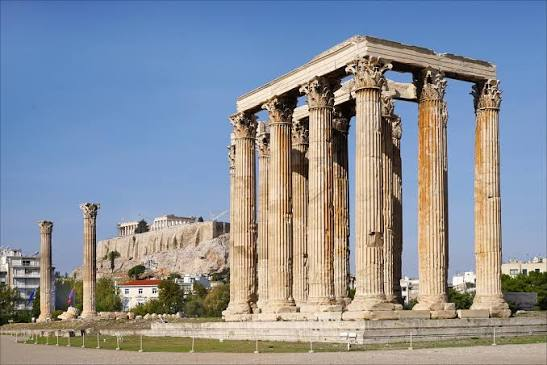
Alexander the Great in Egypt
Seeking Divine Legitimacy
Alexander the Great’s arrival in Egypt marked the beginning of a new era. Recognized as a liberator from Persian rule, he was hailed as a divine figure. His visit to the Oracle of Siwa Oasis solidified his status, as he was proclaimed the son of Amun, a major deity in Egyptian mythology. This connection not only legitimized his rule but also endeared him to the Egyptian people, paving the way for the Hellenistic influence that would follow.
Foundation of Alexandria
In 331 BCE, Alexander founded the city of Alexandria, which quickly became a beacon of culture and education. Designed as a major trade hub, Alexandria’s strategic location facilitated economic growth and cultural exchange. The city was home to the Great Library and the Musaeum, which attracted scholars from across the Mediterranean, fostering a unique intellectual environment.
Ptolemy I and the Establishment of the Dynasty
Governance and Administration
After Alexander’s death in 323 BCE, one of his generals, Ptolemy I Soter, established the Ptolemaic Dynasty in Egypt. Ptolemy implemented a new system of governance that combined Greek and Egyptian administrative practices. His reign set a precedent for the rulers that followed, emphasizing the importance of both cultures in the administration of Egypt.
Cultural Adaptation and Syncretism
Ptolemy I and his successors promoted cultural syncretism, blending Greek and Egyptian traditions. This fusion was evident in religion, art, and daily life. The worship of Greek deities alongside traditional Egyptian gods created a unique religious landscape, while architecture reflected both Hellenistic and Egyptian styles.
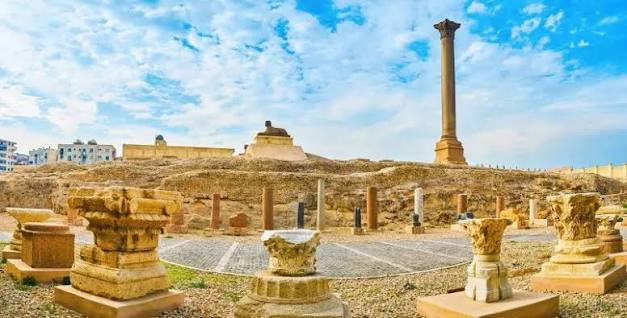
The Role of Alexandria in the Greco-Roman World
Intellectual Hub: The Great Library and Musaeum
Alexandria’s Great Library was one of the most significant repositories of knowledge in the ancient world. Scholars from various disciplines gathered to study, translating works from different cultures and contributing to the advancement of knowledge. The Musaeum, an institution dedicated to the Muses, fostered creativity and scholarship, solidifying Alexandria’s status as an intellectual capital.
Architectural Marvels: The Pharos Lighthouse
The Pharos Lighthouse, one of the Seven Wonders of the Ancient World, stood as a testament to Alexandria’s architectural prowess. Constructed during the reign of Ptolemy II, this towering structure guided sailors safely into the harbor. Its design combined Hellenistic engineering with Egyptian aesthetics, symbolizing the blend of cultures during the Greco-Roman Period.
The Reign of Cleopatra VII
Alliances and Political Maneuvering
Cleopatra VII, the last active ruler of the Ptolemaic Kingdom, is often remembered for her political acumen and romantic liaisons with prominent Roman figures such as Julius Caesar and Mark Antony. Her reign was marked by strategic alliances aimed at preserving Egypt’s independence amid the growing power of Rome.
The Battle of Actium and Its Consequences
The Battle of Actium in 31 BCE was a turning point that led to the demise of the Ptolemaic Dynasty. Cleopatra and Antony’s forces were defeated by Octavian, marking the end of Egyptian independence. Following their defeat, Cleopatra’s tragic end and the subsequent annexation of Egypt by Rome signaled a significant shift in the region’s governance and cultural landscape.
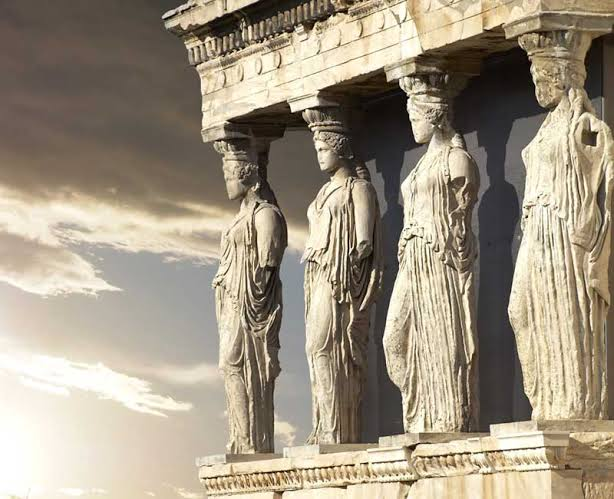
Roman Egypt: Integration and Transformation
Economic Importance as the Breadbasket of Rome
Under Roman rule, Egypt became known as the “breadbasket” of the Roman Empire. Its fertile land and efficient agricultural practices allowed it to produce vast quantities of grain, which were crucial for feeding the growing population of Rome. This economic significance solidified Egypt’s importance within the empire.
Social Hierarchy and Governance
The Roman administration introduced a more structured social hierarchy in Egypt, with Roman officials overseeing governance. While Egyptians retained some local autonomy, Roman laws and customs increasingly influenced daily life. This shift created a complex social fabric, blending Egyptian traditions with Roman practices.
Artistic Expressions: Fayum Mummy Portraits
One of the noteworthy artistic achievements during Roman Egypt was the creation of Fayum mummy portraits. These lifelike paintings were placed on mummies and reflected a unique blend of Greek and Egyptian artistic techniques. They provide valuable insights into the cultural fusion of the time, showcasing the diversity of identity in the Greco-Roman world.
Religion and Beliefs During the Greco-Roman Period
Religious Syncretism and the Rise of Christianity
The Greco-Roman Period also witnessed significant religious transformations. The rise of Christianity began to reshape the religious landscape, as traditional Egyptian beliefs and practices began to coexist with this new faith. The syncretism of religious practices highlighted the cultural exchanges taking place during this era.
The Birth of the Coptic Church and Monasticism
The Coptic Church emerged as a distinct Christian community in Egypt, emphasizing the country’s role in early Christianity. Monasticism flourished, with figures like St. Anthony establishing communities in the desert. These developments marked a critical transition from ancient belief systems to new spiritual paradigms.
Decline of the Greco-Roman Period
Internal Strife and Economic Challenges
The Greco-Roman Period faced numerous challenges leading to its decline. Internal strife, economic difficulties, and political instability weakened the region. The increasing pressure from outside forces, including the Sassanid Empire, compounded these issues.
The Sassanid Invasion and Arab Conquest
The Sassanid invasion in the 7th century CE marked a significant turning point in Egypt’s history. This was soon followed by the Arab conquest, which fundamentally altered Egypt’s political and cultural landscape. The transition from Greco-Roman to Islamic rule signified the end of an era and the beginning of a new chapter in Egypt’s long history.
Lasting Legacies of the Greco-Roman Era
Architectural and Scientific Contributions
The Greco-Roman Period left an indelible mark on architecture and science. Structures like the Pharos Lighthouse and the Great Library influenced future architectural designs. Scientific advancements in fields such as medicine, mathematics, and astronomy laid the groundwork for future developments in these disciplines.
Cultural Impacts on Modern Egypt
The cultural legacies of the Greco-Roman Period continue to resonate in modern Egypt. The blend of Egyptian and Hellenistic traditions has shaped contemporary Egyptian identity, influencing art, literature, and religion. This rich heritage is celebrated today, providing a glimpse into the complexities of Egypt’s past.
The Greco-Roman Period stands as a remarkable chapter in Egypt’s history, characterized by cultural fusion, significant political developments, and lasting legacies. From the conquests of Alexander the Great to the reign of Cleopatra VII, this era shaped Egypt’s identity and left an indelible mark on the world. Understanding this period not only enriches our knowledge of ancient history but also highlights the enduring influences that continue to shape modern Egypt. Explore this fascinating journey and discover the rich heritage that remains to this day.


