
Salah Ad-Din The Heroic Leader Who Shaped Egypt

Salah Ad-Din (Saladin) is a name that resonates through history as a symbol of leadership, bravery, and religious devotion. Born in 1137, he rose from modest beginnings to become the first Sultan of Egypt and Syria, forming the Ayyubid dynasty. Best known for his pivotal role during the Crusades, particularly the capture of Jerusalem in 1187, Saladin united disparate Muslim factions against a common enemy, marking a significant moment in Islamic history. This article delves into his life, military conquests, and enduring legacy, exploring how he became a revered figure in both the Muslim and Western worlds.
Early Life Salah Ad-Din
Birth and Heritage
Salah Ad-Din was born in Tikrit, Iraq, to a Kurdish family with noble lineage. His father, Najm ad-Din Ayyub, was a commander of a local fort, connecting the family to the Seljuk Empire. This heritage laid the groundwork for Saladin’s military and political endeavors. His early exposure to governance and warfare shaped his leadership style.
Family Background
Saladin’s upbringing was heavily influenced by his family. His uncle, Asad ad-Din Shirkuh, was a prominent military leader under the Zengid ruler, Nur ad-Din. Saladin received a comprehensive education that included military training and studies in Islamic theology and philosophy, which would deeply influence his worldview and leadership approach.
Personality and Religious Leanings Salah Ad-Din
-
Religious Beliefs
Salah Ad-Din was a devout Muslim, with his faith central to his identity. His understanding of Islam informed his political strategies and military campaigns. He aimed to unify the Muslim states under his leadership, viewing this as a divine mandate to protect the Ummah (the Muslim community).
-
Opposition to Heretical Sects
Saladin actively opposed heretical sects within Islam, particularly the Ismailis and the Assassins. His campaigns against these groups were both military and ideological, as he believed that unity among Muslims was essential for defending against Crusader forces.
Early Military Career Salah Ad-Din
Initial Expeditions in Egypt
Saladin’s military career began under his uncle’s patronage in the service of Nur ad-Din. His early campaigns in Egypt showcased his tactical brilliance and understanding of battlefield dynamics. These successes were critical in laying the foundation for his eventual rise to power.
Key Battles and Strategies
During his early military career, Saladin engaged in several key battles that highlighted his strategic acumen. His ability to mobilize troops effectively and utilize terrain to his advantage made him a formidable opponent. These experiences prepared him for the larger conflicts that lay ahead.
Rise to Power in Egypt Salah Ad-Din
Vizier of Egypt
- Role and Influence
In 1169, Saladin was appointed Vizier of Egypt, granting him significant political authority. His administrative skills stabilized the region after years of turmoil, and he implemented reforms that boosted the economy and military readiness.
- Abolishment of the Fatimid Caliphate
Under Saladin’s leadership, the Fatimid Caliphate was abolished in 1171, restoring Sunni Islam’s dominance. This transition symbolized a unification of Muslim states under a shared religious identity.
Continue Reading: More Egypt Travel Guides :
- Discover the Golden Age of The New Kingdom of Ancient Egypt
- Alexander the Great: His Life, Conquests, and Legacy
- Alexandria Sights to Visit
Sultan of Egypt
-
Transition to Sultanate
After abolishing the Fatimid Caliphate, Saladin declared himself Sultan of Egypt. This title solidified his authority and marked a pivotal moment in his career, as he aimed to unify Muslim territories and prepare for the Crusader threat.
-
Alignment with the Abbasid Caliphate
Saladin’s alliance with the Abbasid Caliphate in Baghdad was strategic. By aligning with the recognized Sunni authority, he legitimized his rule and gained support from other Sunni leaders, crucial for rallying Muslim forces against the Crusaders.
Conquests in Syria Salah Ad-Din
Capture of Damascus
The campaign to capture Damascus in 1174 was a critical turning point for Saladin. The city’s strategic location allowed him to consolidate his power in Syria. This victory not only expanded his territory but also reinforced his reputation as a unifying leader.
Expansion into Hama and Homs
Following Damascus, Saladin expanded his control into Hama and Homs, securing vital trade routes and strengthening his military position against the Crusaders.
Campaigns Against the Assassins
Saladin’s campaigns against the Assassins demonstrated his resolve to eliminate threats to his rule. Utilizing siege warfare and other military strategies, he effectively diminished their influence in the region.
Return to Cairo and Conflicts in Palestine
-
Battles Against Baldwin IV
Saladin’s conflict with Baldwin IV of Jerusalem involved a series of intense struggles between Muslim and Crusader forces. These battles showcased Saladin’s strategic brilliance and Baldwin’s resilience, highlighting the complexities of the Crusader-Muslim conflict.
-
Key Battles and Truces
The confrontations between Saladin and Baldwin IV led to truces and skirmishes. Saladin’s ability to negotiate truces illustrated his diplomatic skills, allowing him to regroup while maintaining strategic advantages.
Domestic Policies
Infrastructure Development
Saladin’s reign was marked by significant infrastructure improvements. His investments in public works—roads, hospitals, and educational institutions—contributed to regional prosperity and stability, vital for sustaining his military campaigns.
Administrative Reforms
Saladin implemented administrative reforms that enhanced governance. These included reorganizing the tax system and improving local governance efficiency, which helped maintain loyalty among his subjects.
Your Next Egyptian Adventure Starts Here :
- Amr Ibn Al-Aas Life Legacy and Historical Significance
- The Ramesseum: A Comprehensive Guide to the Mortuary Temple of Ramesses II – Bright Egypt Travel
Military Campaigns and Imperial Expansion
Campaigns Against Crusader Forces
Saladin’s military campaigns against Crusader forces were relentless. His strategic insights allowed him to reclaim lost territories and strengthen Muslim control in the region, reshaping the balance of power in the Middle East.
Struggles for Mosul
The struggle for Mosul was a significant chapter in Saladin’s military exploits. Controlling this key city was essential for regional influence. Saladin’s tactical prowess ensured his victory, further consolidating his power.
Control of Aleppo
Saladin’s control of Aleppo culminated his military efforts in Syria. This victory expanded his territory and solidified his reputation as a leader capable of uniting and defending the Muslim world against external threats.
Major Wars Against the Crusaders
The Capture of Jerusalem
The capture of Jerusalem in 1187 remains Saladin’s most celebrated achievement. After a lengthy siege, he reclaimed the city from the Crusaders, marking a pivotal moment in Crusader history. His humane treatment of inhabitants post-capture demonstrated his commitment to justice and religious tolerance.
The Third Crusade
The Third Crusade, launched in response to Saladin’s capture of Jerusalem, posed a significant challenge. Leaders like Richard the Lionheart sought to reclaim the city, leading to fierce battles. Despite formidable opponents, Saladin maintained control over Jerusalem, solidifying his legacy as a master tactician.
Death and Legacy Salah Ad-Din
Circumstances of Death
Salah Ad-Din died in 1193 in Damascus, marking the end of an era dedicated to uniting the Muslim world against the Crusaders. Despite declining health, he continued to strategize for the Ayyubid dynasty until his last days.
Historical Impact and Legacy
Saladin’s legacy transcends military achievements. He is remembered as a unifying figure in Islamic history, embodying ideals of leadership, faith, and justice. His governance and warfare approaches profoundly impacted subsequent generations, inspiring leaders and scholars alike.
Family and Descendants
Notable Children
Saladin’s family significantly contributed to his legacy. His children continued his governance and military work, ensuring the Ayyubid dynasty flourished posthumously. His son al-Afdal succeeded him, furthering the family’s influence in the region.
Cultural Recognition
In the Muslim World
In the Muslim world, Salah Ad-Din is revered as a hero. His successful campaigns against the Crusaders and efforts to unify Muslim states have made him an enduring symbol of resistance and leadership, celebrated in literature and popular culture.
In Western Histories
Conversely, in Western histories, Saladin is often depicted as a noble adversary. His chivalry and honorable conduct during the Crusades earned him respect even among enemies, reflecting the complexities of his character and historical narratives.
Cultural Depictions
Literature and Novels
Salah Ad-Din has been featured in numerous literary works, often portrayed as a wise and noble leader. His life story has inspired countless novels exploring his military exploits and personal philosophy, enriching the cultural heritage surrounding his legacy.
Film and Television Representations
In film and television, Saladin has been depicted in various forms, emphasizing his role during the Crusades. These portrayals contribute to a broader understanding of his historical significance, reaching global audiences.
Video Game Appearances
Saladin’s character has appeared in video games, allowing players to engage in battles inspired by historical events. These portrayals often highlight his strategic brilliance and leadership qualities, making history accessible to younger audiences.
Visual Art Representations
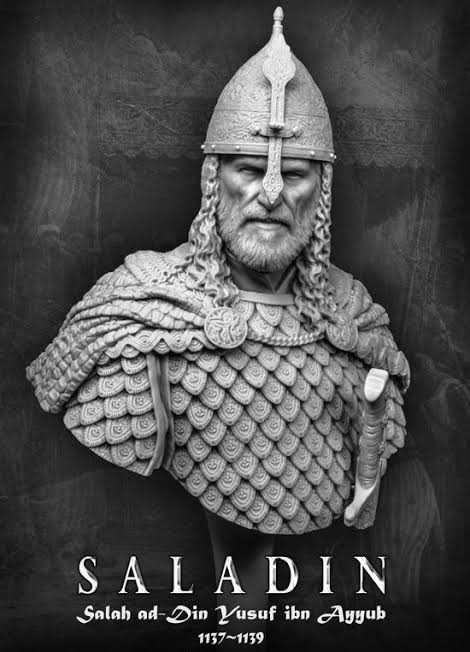
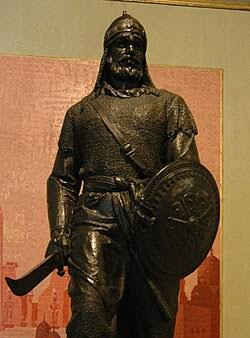
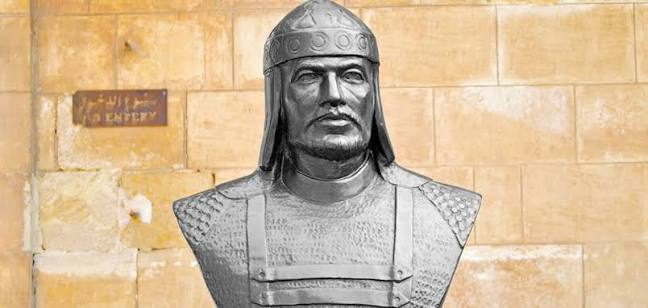
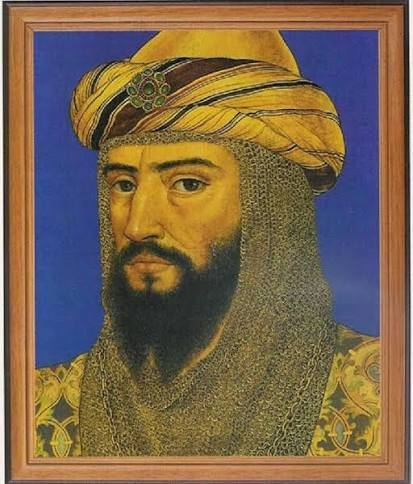
Saladin’s legacy is captured in various forms of visual art, from paintings to sculptures. These artistic representations celebrate his contributions to Islamic history and serve as a reminder of his enduring cultural impact.
Salah Ad-Din (Saladin) remains a towering figure in both Islamic history and world history at large. His military acumen, commitment to unity, and humane leadership have left an indelible mark on the narrative of the Crusades. Reflecting on his life and legacy reminds us of the enduring power of leadership guided by principles of justice and faith. For those interested in exploring more about this remarkable historical figure, a wealth of literature and scholarly work awaits, offering deeper insights into the life of this legendary Sultan.
Book Your Luxury Egypt Adventure Today
True travel is about discovering the perfect balance between vibrant energy and elegant peace. Wandering through ancient, sunlit streets, watching timeless landscapes glide by, and standing atop breathtaking architectural landmarks offers a sophisticated look into a nation’s magnificent cultural renaissance.
At Bright Egypt Travel, we excel at turning standard sightseeing into deeply memorable, luxury cultural journeys. From handling all your private transfers in absolute comfort to pairing you with passionate expert guides, we manage the details so you can enjoy the pure magic.
Book Your Premium Guided Luxury Tour Now: +201032707611
Contact via WhatsApp: Connect directly with Bright Egypt Travel today and elevate your holiday to the height of luxury!


