
Egypt in the Modern Era | History & Transformations

Egypt in the Modern Era is a captivating narrative of resilience, transformation, and complexity. From the Khedivate’s establishment in the 19th century to the current political climate under President El-Sisi, Egypt has undergone significant changes that reflect broader regional and global trends. This article delves into the historical milestones that have shaped modern Egyptian identity, politics, and society. Understanding these developments is essential for grasping Egypt’s current status and its future prospects. Join us as we navigate through the pivotal events and figures that have defined Egypt in the Modern Era.
Khedivate of Egypt in Egypt in the Modern Era
Founding and Modernization
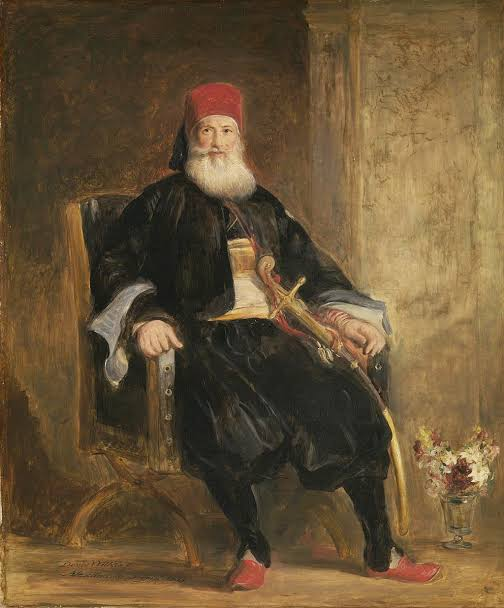
The Khedivate of Egypt, established in 1867, marked a significant shift in governance and modernization efforts. Under Khedive Ismail, Egypt saw the introduction of vital infrastructure including railways, telegraphs, and a modern education system. These advancements were intended to elevate Egypt’s status as a regional power and lessen its dependency on the Ottoman Empire.
Autonomy from the Ottoman Empire
By the late 19th century, the Khedivate increasingly sought autonomy from the Ottoman Empire. Rising nationalistic sentiments among Egyptians fueled demands for greater control over local affairs. This period was marked by significant investments in infrastructure and public services, although it also set the stage for future tensions surrounding foreign influence and national sovereignty.
Continue Reading: More Egypt Travel Guides :
- Ultimate Guide to Bayt Al Suhaymi, Cairo
- The Precinct of Amun-Re: A Deep Dive into Ancient Splendor – Bright Egypt Travel
British Influence and Administration in Egypt in the Modern Era
Occupation of Egypt (1882)
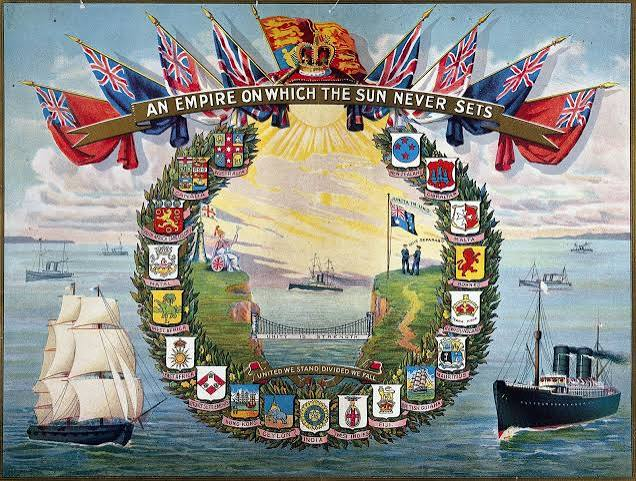
The British occupation of Egypt in 1882 was a pivotal moment in modern history. Initially presented as a means to protect British interests, particularly in the Suez Canal, the occupation altered the political landscape of Egypt. British administrators assumed considerable control over governance, impacting economic policies and local governance structures.
Nationalist Resistance Movements
In response to British control, various nationalist movements emerged in the late 19th and early 20th centuries. Notable figures, such as Ahmed Urabi, led significant uprisings advocating for Egyptian independence and reform. These movements laid the groundwork for a burgeoning sense of national identity and resistance against colonial powers.
Transition to a Sultanate in Egypt in the Modern Era
Establishment of the Sultanate (1914)
The transition from a Khedivate to a Sultanate in 1914 marked a new phase in Egypt’s political evolution. With World War I’s onset, the British declared Egypt a protectorate, suspending its autonomy. This change coincided with rising nationalist sentiments and widespread discontent among Egyptians regarding foreign domination.
Independence Demands and the 1919 Revolution
The 1919 Revolution was a significant expression of nationalistic fervor and demands for independence. Sparked by frustrations over British rule and economic hardship, widespread protests erupted across the country. This revolution led to the eventual recognition of Egypt’s sovereignty in 1922, although British influence persisted, particularly in military and foreign affairs.
Your Next Egyptian Adventure Starts Here :
- Ultimate Guide to Luxor attractions 2026
- Discover Ahmed Ibn Tulun Mosque | History & Tips
- Mövenpick SS Misr Nile Cruise: Ultimate Royal Luxury Guide
The Kingdom of Egypt
Declaration of Independence (1922)
In 1922, Egypt was officially declared an independent kingdom, marking a crucial step in its modern history. King Fuad I became the first monarch of the Kingdom of Egypt, and a constitution was established to govern the new state. However, the British retained control over key areas, including defense and foreign policy, leading to ongoing tensions.
Continued British Influence in Military Affairs
Despite formal independence, British influence remained strong, particularly in military matters. The British maintained a significant military presence in Egypt, which fueled public resentment and spurred nationalist movements. Political parties, such as the Wafd Party, emerged advocating for full independence and the removal of British troops.
The Republic of Egypt in Egypt in the Modern Era
The Coup of 1952
The Coup of 1952 was a watershed moment in Egypt’s modern history. A group of military officers known as the Free Officers Movement, led by General Muhammad Naguib and Colonel Gamal Abdel Nasser, orchestrated a successful coup d’état to oust King Farouk. This event marked the end of monarchy and the establishment of a republic.
The Revolution and its Impact
The revolution arose from widespread discontent with corruption, poverty, and British influence. It prompted significant social and political reforms, including land redistribution and nationalization of key industries. This revolution fundamentally transformed Egypt’s political landscape, paving the way for a new era of governance.
Nasser’s Era
Implementation of Arab Socialism
Under President Nasser, Egypt adopted Arab socialism, aiming to reduce economic disparities and foster national development. Land reforms were initiated, and key industries were nationalized, leading to substantial changes in the socio-economic fabric of Egyptian society.
The United Arab Republic (1958-1961)
In 1958, Nasser aimed to unite Egypt and Syria, forming the United Arab Republic. This political experiment sought to promote Arab nationalism and solidarity. However, challenges arose, leading to the dissolution of the union in 1961. Nonetheless, it underscored Nasser’s vision for a unified Arab identity.
The Sadat Administration
Shift in Foreign Policy
Anwar Sadat succeeded Nasser in 1970, introducing a significant shift in Egypt’s foreign policy. His administration moved away from the Soviet Union, seeking closer ties with the West. This pivot was characterized by a focus on economic liberalization and an opening to foreign investment.
The Camp David Accords
In 1978, Sadat made history by signing the Camp David Accords with Israeli Prime Minister Menachem Begin, facilitated by U.S. President Jimmy Carter. This peace treaty, signed in 1979, marked a crucial turning point in Middle Eastern politics, leading Egypt to become the first Arab country to recognize Israel. However, it also generated domestic backlash, contributing to Sadat’s assassination in 1981.
The Mubarak Presidency
Economic Reforms and Public Discontent
Hosni Mubarak’s presidency, spanning from 1981 to 2011, was marked by economic reforms aimed at liberalizing the economy. While these policies led to some growth, they also exacerbated social inequalities and public discontent. Corruption and political repression characterized Mubarak’s rule, leading to widespread dissatisfaction among the populace.
Civil Unrest and Political Change (2011-2014)
The 2011 Revolution
Triggers and Outcomes
The 2011 Revolution was ignited by economic grievances, political repression, and the broader Arab Spring influence. Large-scale protests erupted in January 2011, culminating in Mubarak’s resignation by February. This marked a significant moment in Egypt’s modern history, as citizens mobilized for change and democratic reforms.
Morsi’s Presidency
Electoral Victory and Controversies
Following Mubarak’s ousting, Mohamed Morsi, representing the Muslim Brotherhood, won the presidential election in June 2012. His presidency faced numerous challenges, including economic instability and political polarization. Controversial edicts aimed at consolidating power led to widespread protests against his administration.
Post-Morsi Era
Military Intervention and its Ramifications
In July 2013, the military, led by General Abdel Fattah El-Sisi, intervened and ousted Morsi. Reactions varied; some celebrated the end of Morsi’s rule, while others condemned it as a coup against democracy. The subsequent crackdown on dissent resulted in widespread human rights abuses and a return to authoritarianism.
Current Political Landscape
Presidency of El-Sisi
Election Victory and Authoritarian Tendencies
El-Sisi was elected president in 2014 amid a political backdrop marked by repression and limited political pluralism. His administration has exhibited authoritarian tendencies, with crackdowns on opposition and restrictions on civil liberties.
Recent Political Developments
El-Sisi’s government faces significant challenges, including economic difficulties and public discontent. While the regime has pursued economic reforms and infrastructure projects, social unrest continues to simmer, raising questions about the country’s future stability.
Egypt in the Modern Era is a complex tapestry woven from historical events, political transformations, and social movements. From the Khedivate’s establishment to the current political landscape under President El-Sisi, Egypt’s journey reflects both resilience and challenges. As the nation navigates economic difficulties and political unrest, its future remains uncertain yet filled with potential. Understanding this intricate history is vital for appreciating the ongoing developments in Egypt today. For those interested in the region’s dynamics, staying informed about Egypt’s evolving narrative is essential.
Book Your Luxury Egypt Adventure Today
True travel is about discovering the perfect balance between vibrant energy and elegant peace. Wandering through ancient, sunlit streets, watching timeless landscapes glide by, and standing atop breathtaking architectural landmarks offers a sophisticated look into a nation’s magnificent cultural renaissance.
At Bright Egypt Travel, we excel at turning standard sightseeing into deeply memorable, luxury cultural journeys. From handling all your private transfers in absolute comfort to pairing you with passionate expert guides, we manage the details so you can enjoy the pure magic.
Book Your Premium Guided Luxury Tour Now: +201032707611
Contact via WhatsApp: Connect directly with Bright Egypt Travel today and elevate your holiday to the height of luxury!


