
Explore the fascinating Sinai Peninsula, its rich history, stunning geography.

The Sinai Peninsula is a land of remarkable diversity, where ancient history meets breathtaking landscapes. Nestled between the Mediterranean Sea and the Red Sea, this region has served as a historical crossroads and a sanctuary for many cultures throughout the centuries. From the iconic Mount Sinai to the vibrant coral reefs of the Red Sea, the Sinai Peninsula offers visitors a unique blend of adventure, spirituality, and natural beauty. This comprehensive guide explores the significance, geography, history, and attractions of the Sinai Peninsula, making it an essential read for anyone considering a journey to this extraordinary region.
Why was the Arabian Sinai Peninsula named so?
Ancient Egyptian Names
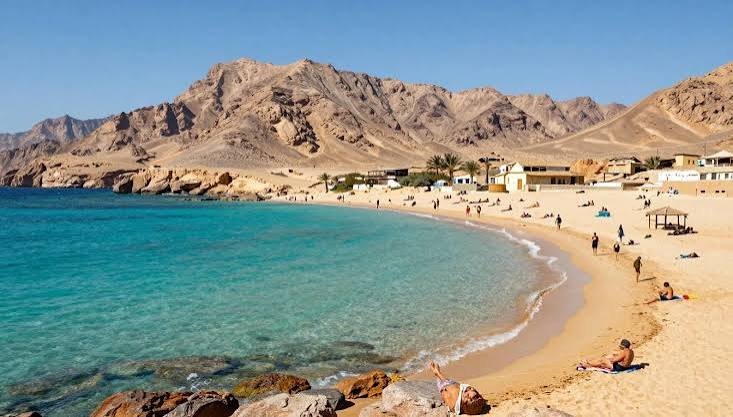
The Sinai Peninsula has been known by various names throughout its long history. In ancient Egyptian texts, it was often referred to as “Tamar,” which means “the land of the date palms.” This name reflects the region’s agricultural significance and its role as a trade route in ancient times.
Modern Name Origin
The name “Sinai” is believed to be derived from the Hebrew word “seneh,” meaning “bush,” likely referencing the burning bush associated with the biblical story of Moses. This connection to biblical events has firmly linked the peninsula to religious significance in Judaism, Christianity, and Islam.
Geography the Sinai Peninsula
Location
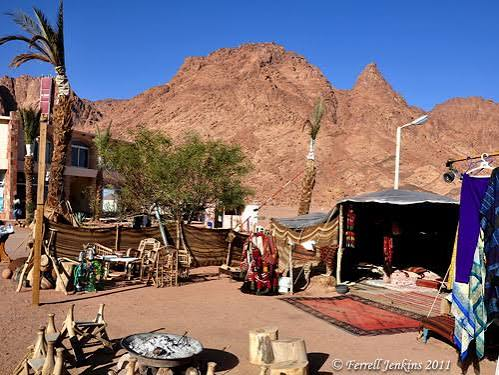
The Sinai Peninsula is located in Egypt, bordered by the Mediterranean Sea to the north and the Red Sea to the south. It acts as a bridge between Africa and Asia, making it a strategic location throughout history.
Area
Covering an area of approximately 60,000 square kilometers (23,000 square miles), the Sinai Peninsula is roughly triangular in shape, with its apex pointing towards the Gulf of Aqaba.
Population
The population of the Sinai Peninsula is estimated to be around 600,000, with a mix of ethnic groups, including Egyptians, Bedouins, and others. The Bedouin communities, known for their nomadic lifestyle, play a significant role in the cultural fabric of the region.
Climate
The climate in the Sinai Peninsula is predominantly desert, characterized by hot summers and mild winters. Average summer temperatures can soar above 40°C (104°F), while winter temperatures can drop to around 10°C (50°F) at night. Rainfall is scarce, primarily occurring in the winter months.
History the Sinai Peninsula
Early Civilization and Chronological Overview
Chalcolithic Period
The Sinai Peninsula was inhabited as early as the Chalcolithic period, around 4000 to 3000 BC, with evidence of early human settlements and mining activities, especially for copper.
Ancient Egypt
The region gained prominence during the ancient Egyptian civilization, particularly as a crucial area for mining and trade routes. The Egyptians established settlements and temples, many of which have left their mark on the landscape.
Achaemenid Persian Period
During the Achaemenid Persian period (c. 550–330 BC), the Sinai became part of the Persian Empire, further enhancing its role as a trade route between Egypt and the Levant.
Continue Reading: More Egypt Travel Guides :
- The Old Kingdom of Ancient Egypt: 2026 Guide to the Pyramid Age
- Esna Temple of Khnum: Sacred Zodiac Shrine of Khnum in Ancient Egypt
- Temple of Seti I: An Ancient Egyptian Architectural Marvel – Bright Egypt Travel
Roman and Byzantine Periods
The Roman Empire expanded its influence over the Sinai Peninsula, utilizing it for military and trade purposes. The Byzantine era saw the establishment of Christian communities and the construction of significant religious sites.
Ayyubid Period
The Ayyubid dynasty, founded by Saladin in the 12th century, played an essential role in the region’s history, particularly during the Crusades when the area became a battleground for control between Christians and Muslims.
Mamluk and Ottoman Periods
The Mamluks and later the Ottoman Empire governed the Sinai Peninsula, focusing on trade and pilgrimage routes, especially to the holy sites of Jerusalem and Mecca.
British Control
In the early 20th century, the British took control of the Sinai Peninsula during World War I, using it as a strategic military location. This control lasted until the mid-20th century.
Egyptian-Israeli Conflicts
Sinai Peacekeeping Zones
The Sinai Peninsula has been a focal point in the Egyptian-Israeli conflicts, particularly during the wars of 1948, 1967, and 1973. Following the Camp David Accords in 1979, the Sinai was returned to Egypt, but peacekeeping forces were established to monitor the region.
Early 21st Century Security Issues
In recent years, security challenges have emerged, including terrorist activities and regional conflicts affecting tourism and stability. Nevertheless, efforts continue to promote peace and safety in the area.
Demographics the Sinai Peninsula
Population Composition
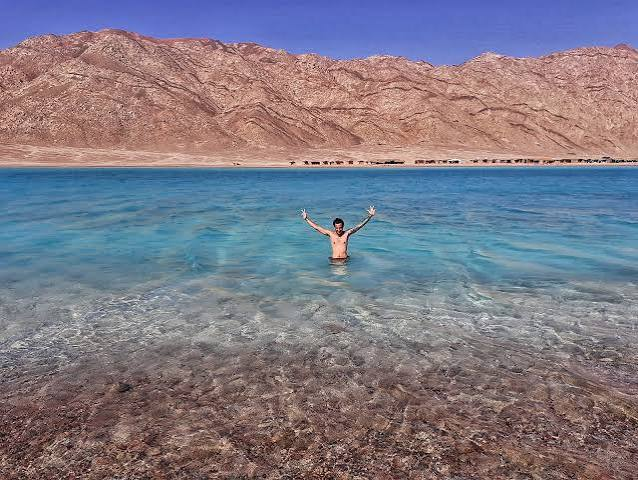
The population of the Sinai Peninsula consists mainly of Egyptians, with a significant Bedouin presence. The Bedouin communities maintain their traditions and customs, providing a unique cultural perspective within Egypt.
Bedouin Culture
The Bedouins are known for their hospitality, traditional crafts, and unique music. Visitors to the Sinai Peninsula often have the opportunity to experience their rich culture through guided tours, meals, and storytelling.
Economy the Sinai Peninsula
Major Industries
Tourism
Tourism is a significant industry in the Sinai Peninsula, attracting visitors to its stunning landscapes, historical sites, and vibrant marine life. Popular tourist destinations include Sharm El Sheikh, Dahab, and Mount Sinai.
Agriculture
The agriculture sector, while limited due to the arid climate, includes the cultivation of olives, dates, and various vegetables. Sustainable practices are increasingly being adopted by local farmers.
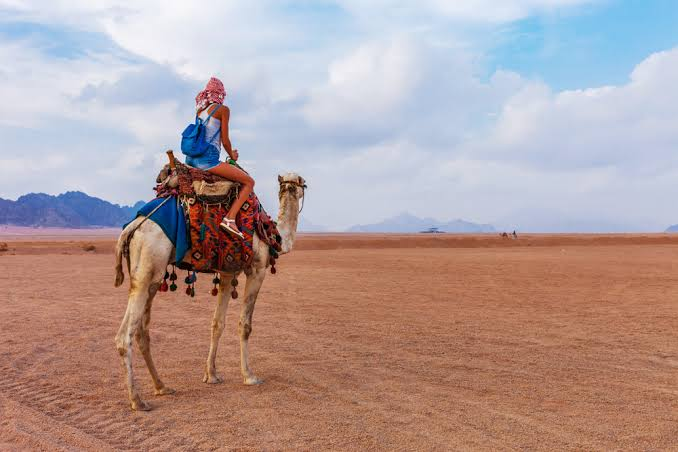
Attractions and Tourism
Overview of Sinai’s Tourism
The Sinai Peninsula is renowned for its diverse attractions, ranging from natural wonders to historical landmarks. Tourists flock to the region for outdoor activities, religious pilgrimage, and cultural experiences.
Top Destinations & Attractions
- Sharm El Sheikh: A world-renowned resort city located on the southern tip of the peninsula, famous for its beaches, diving spots, and vibrant nightlife.
- Ras Mohammed National Park: A protected area offering stunning coral reefs and diverse marine life, making it a paradise for divers and snorkelers.
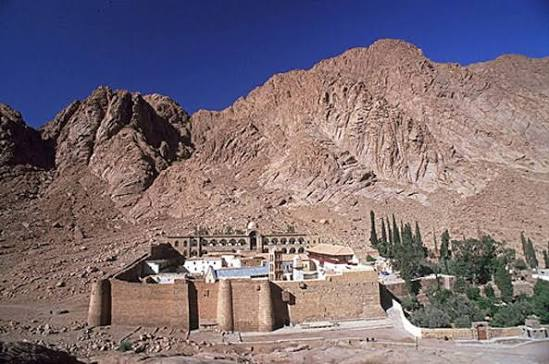
- Saint Catherine’s Monastery: One of the oldest continuously inhabited Christian monasteries, located at the foot of Mount Sinai, which is a UNESCO World Heritage site.
- Dahab: A laid-back coastal town known for its beautiful beaches, excellent diving spots, and a relaxed atmosphere.
- The Blue Hole: A popular diving site near Dahab, famous for its deep underwater sinkhole and incredible coral formations.
- Mount Sinai: A significant religious site believed to be the mountain where Moses received the Ten Commandments, attracting many pilgrims and hikers.
- The Colored Canyon: A natural wonder featuring stunning rock formations and vibrant colors, ideal for hiking and photog\raphy.
- Your Next Egyptian Adventure Starts Here :
- Mortuary Temple of Hatshepsut: An Ancient Architectural Marvel – Bright Egypt Travel
- Discovering the Early Islamic Period
Travel Information the Sinai Peninsula
How to Get to Sinai
Traveling to the Sinai Peninsula can be done by various means, including road, air, and ferry:
- By Air: Sharm El Sheikh International Airport serves as the primary gateway for international travelers.
- By Road: Buses and private transport options connect major cities in Egypt to the Sinai.
- By Ferry: Ferries operate from Jordan and Saudi Arabia, providing another route to this beautiful region.
Safety Considerations
While the Sinai Peninsula has experienced security issues, many areas are safe for tourists. Travelers should stay informed about current conditions, follow local advice, and consider guided tours for a safer experience.
Climate the Sinai Peninsula
Weather Patterns and Seasonal Variations
The climate of the Sinai Peninsula is primarily desert, with hot summers and mild winters. Rainfall is minimal, primarily occurring between November and February. The best time to visit is during spring and autumn when temperatures are more moderate.
Marine Life the Sinai Peninsula
Sinai Red Sea Underwater Life and Diving Opportunities
The Red Sea surrounding the Sinai Peninsula is famous for its rich marine biodiversity, making it a premier destination for diving enthusiasts. Key highlights include:
- Coral Reefs: Vibrant coral reefs teeming with fish and other marine life.
- Diverse Species: Home to numerous species of fish, dolphins, and even occasional whale sharks.
- Diving Spots: Renowned dive sites like the Thistlegorm wreck and Ras Mohammed National Park attract divers from around the world.
The Sinai Peninsula is a captivating destination rich in history, culture, and natural beauty. From its ancient sites to its stunning landscapes, the region offers a unique experience for all types of travelers. Whether you’re seeking adventure, spirituality, or relaxation, the Sinai Peninsula has something to offer. Plan your journey today and immerse yourself in the wonders of this extraordinary part of the world.
Book Your Luxury Egypt Adventure Today
True travel is about discovering the perfect balance between vibrant energy and elegant peace. Wandering through ancient, sunlit streets, watching timeless landscapes glide by, and standing atop breathtaking architectural landmarks offers a sophisticated look into a nation’s magnificent cultural renaissance.
At Bright Egypt Travel, we excel at turning standard sightseeing into deeply memorable, luxury cultural journeys. From handling all your private transfers in absolute comfort to pairing you with passionate expert guides, we manage the details so you can enjoy the pure magic.
Book Your Premium Guided Luxury Tour Now: +201032707611
Contact via WhatsApp: Connect directly with Bright Egypt Travel today and elevate your holiday to the height of luxury!


