
Discover the rich history, geology, and spiritual significance of Mount Sinai

Mount Sinai, also known as Jebel Musa, is a prominent mountain located in the Sinai Peninsula of Egypt. It holds profound religious significance for millions worldwide, particularly within Judaism, Christianity, and Islam. In addition to its spiritual importance, Mount Sinai features breathtaking geographical attributes and a challenging ascent, making it a favored destination for both hikers and pilgrims. This article explores the mountain’s geology, religious significance, climbing routes, and practical tips for adventurers seeking to explore its majestic heights.
Overview the Mount Sinai
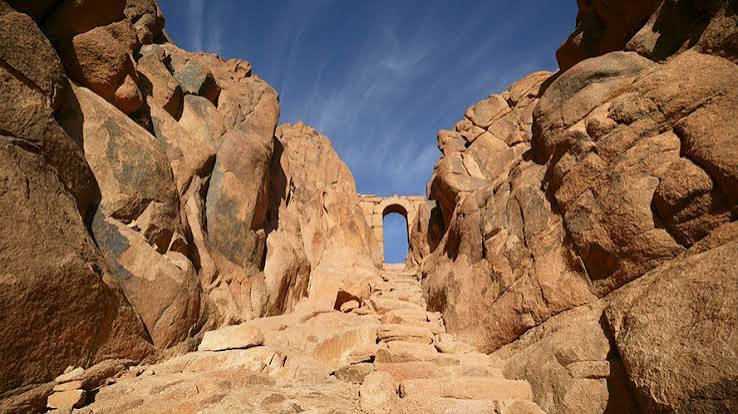
Mount Sinai stands as a powerful symbol of faith and divine revelation. According to biblical tradition, it is the location where Moses received the Ten Commandments from God, marking a pivotal moment for Judaism and influencing both Christianity and Islam. The mountain rises approximately 2,285 meters (7,497 feet) above sea level, providing a stunning backdrop for the surrounding desert landscape. Its rugged terrain and deep historical context attract religious pilgrims and adventure seekers eager to experience its unique beauty.
Geology and Geography the Mount Sinai
Geological Formation
Mount Sinai’s geological formation reflects the natural forces that shaped the region over millions of years. Primarily composed of granite, the mountain features steep cliffs and rocky outcrops. The surrounding landscape is characterized by dramatic features, including rugged mountains, deep canyons, and arid plains. Tectonic activity has played a critical role in the mountain’s formation, pushing granite rock upwards into the majestic peak we see today.
Geographical Features
The geographical characteristics of Mount Sinai extend beyond its elevation. The mountain experiences extreme temperature variations, with scorching days and chilly nights, while rainfall is scarce, contributing to its rugged beauty. The area is predominantly dry, and the terrain features winding paths, deep gorges, and unique rock formations that enhance its allure for climbers and explorers alike.
Continue Reading: More Egypt Travel Guides :
- Temple of Khonsu: Ancient Marvel of Theban Architecture – Bright Egypt Travel
- The Step Pyramid of Djoser: Egypt’s First Monumental Stone Structure – Bright Egypt Travel
- Your comprehensive guide to Nile Valley trips 2026
Religious Significance the Mount Sinai
Judaism
In Jewish tradition, Mount Sinai is revered as the sacred site where Moses received the Torah, the foundational text of Judaism. This event is celebrated during the holiday of Shavuot, which commemorates the giving of the Law. The mountain is often depicted as a place of divine encounter, where God communicated directly with His people, marking a defining moment in Jewish history.
Christianity
For Christians, Mount Sinai represents a symbol of divine revelation and guidance. It is referenced in the New Testament, embodying the old covenant between God and humanity. Various Christian denominations recognize the site’s significance within the broader narrative of salvation history, thereby enhancing its religious importance.
Islam
In Islam, Mount Sinai is known as Jebel Musa and is regarded as a holy site mentioned in the Quran. The mountain holds deep respect for its association with Moses (Musa) and his role as a prophet. Islamic teachings emphasize the importance of adhering to the guidance received at this sacred location, reinforcing its significance across multiple faiths.
Climbing Mount Sinai
Routes
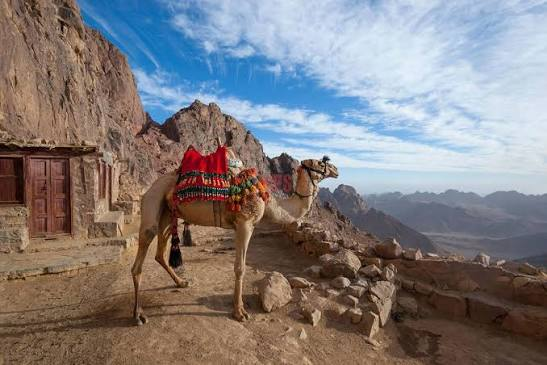
Climbing Mount Sinai is a rewarding experience, with several established routes leading to the summit. The two most popular paths are:
- Siket Sayidna Musa (Camel Path): This well-maintained trail is suitable for those seeking a less strenuous ascent. It features a gradual incline and is often used by those who prefer to ride camels to the top.
- Siket El Bashait (Steps of Repentance): This more challenging route consists of over 3,700 steps carved into the rock. This steep path requires a moderate level of fitness, making it ideal for experienced hikers.
Both routes provide stunning views of the surrounding landscape, enhancing the overall climbing experience.
Preparation and Tips
Before embarking on your journey to Mount Sinai, adequate preparation is essential. Here are some practical tips to ensure a safe and enjoyable climb:
- Timing: The best time to climb is during the cooler months (October to April) to avoid extreme heat.
- Gear: Wear sturdy hiking boots and bring plenty of water, snacks, and a first-aid kit.
- Guided Tours: Consider joining a guided tour for added safety and insight into the area’s history and geography.
- Acclimatization: Spend some time acclimatizing to the altitude if you’re not used to high elevations.
Ascent and Summit the Mount Sinai
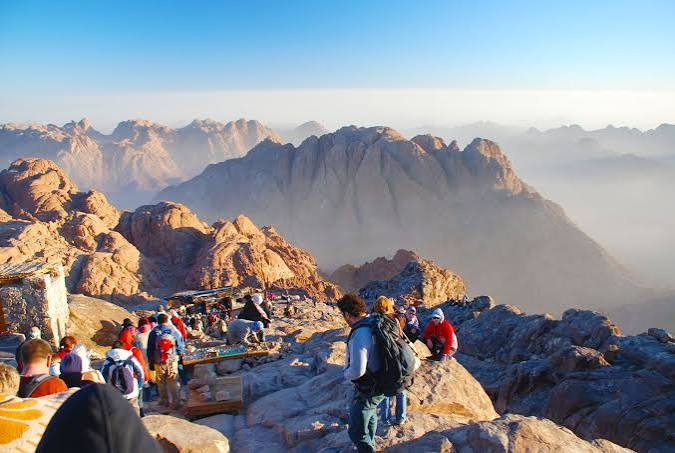
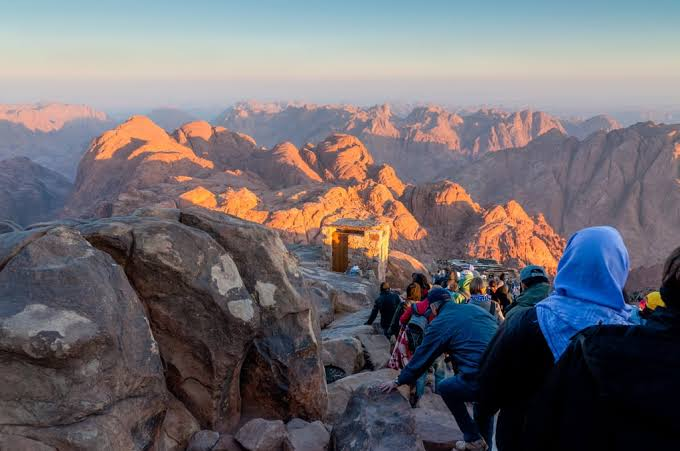
Reaching the summit of Mount Sinai is often described as both physically demanding and spiritually uplifting. Upon arrival, climbers are rewarded with breathtaking panoramic views of the Sinai Peninsula and the Red Sea. The summit is marked by a small chapel and a flat area where visitors can rest and reflect on their journey.
Amenities
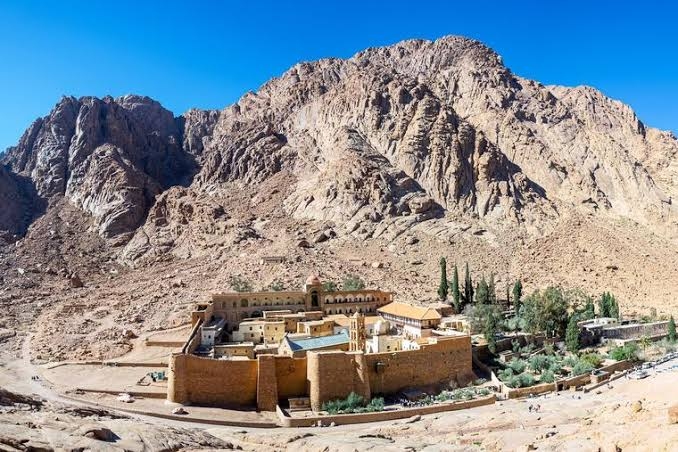
At the base of the mountain, visitors can find essential facilities such as restrooms and refreshment stands. It is advisable to start the ascent early in the morning or late in the afternoon to avoid the midday heat and enjoy the stunning sunrise or sunset from the summit.
See Also
For those interested in exploring further, consider reading about:
- The history of the Exodus
- Other significant mountains in the Middle East
- Pilgrimages in various religious traditions
- The flora and fauna of the Sinai Peninsula
- Cultural practices of local Bedouin tribes
References
- National Geographic: “Mount Sinai: A Sacred Place for Three Religions”
- The Torah: “The Book of Exodus”
- The Bible: “The New Testament”
- The Quran: “Surah Al-A’raf”
Mount Sinai is more than just a mountain; it is a symbol of faith, history, and adventure. Whether drawn by its religious significance or the allure of its breathtaking landscapes, the experience of climbing this sacred peak resonates deeply with many. As you plan your journey to Mount Sinai, embrace the opportunity to connect with its rich heritage while enjoying the natural beauty that surrounds you. Prepare well, respect the environment, and embark on an unforgettable adventure.
Your Next Egyptian Adventure Starts Here :
- Blue Desert | A Unique Artistic and Natural Wonder
- Blue Hole A Comprehensive Guide to Egypt’s Diving Paradise
Book Your Luxury Egypt Adventure Today
True travel is about discovering the perfect balance between vibrant energy and elegant peace. Wandering through ancient, sunlit streets, watching timeless landscapes glide by, and standing atop breathtaking architectural landmarks offers a sophisticated look into a nation’s magnificent cultural renaissance.
At Bright Egypt Travel, we excel at turning standard sightseeing into deeply memorable, luxury cultural journeys. From handling all your private transfers in absolute comfort to pairing you with passionate expert guides, we manage the details so you can enjoy the pure magic.
Book Your Premium Guided Luxury Tour Now: +201032707611
Contact via WhatsApp: Connect directly with Bright Egypt Travel today and elevate your holiday to the height of luxury!


