
The Blue Hole: A Comprehensive Guide to Egypt’s Diving Paradise 2026

The Blue Hole in Dahab, Egypt, is renowned as one of the world’s most exhilarating diving spots, attracting adventurers from around the globe. This underwater marvel offers divers a unique combination of stunning coral formations, diverse marine life, and a thrilling sense of adventure. However, with its beauty comes the necessity for safety awareness and preparation. In this comprehensive guide, we’ll delve into the Blue Hole’s history, unique geographical features, and vital safety considerations. Whether you’re planning your first dive or you’re a seasoned diver looking for new experiences, this guide will help you navigate the wonders of the Blue Hole.
Overview of the Blue Hole
Location and Geography
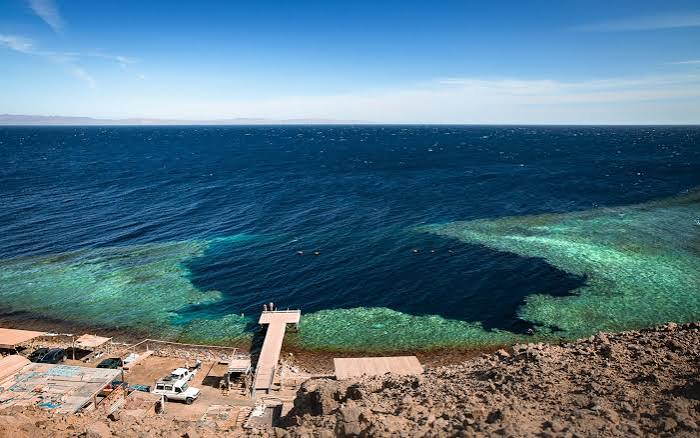
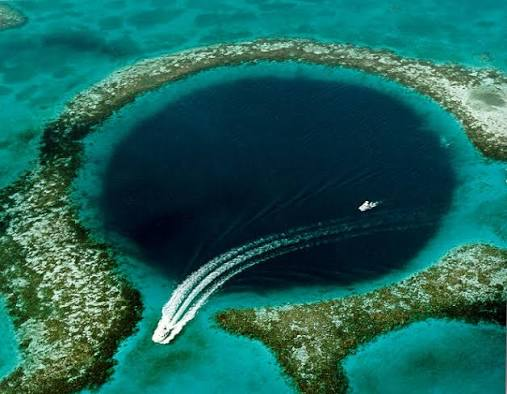
The Blue Hole is situated on the southeast coast of the Sinai Peninsula in Egypt, near the vibrant town of Dahab. This natural sinkhole measures approximately 130 meters in depth, making it a striking feature of the Red Sea. The hole itself is circular, with a diameter of about 25 meters, and is surrounded by a stunning coral reef that teems with marine life.
Depth and Structure
The depth of the Blue Hole presents both beauty and challenges. The vertical walls drop steeply, creating an impressive underwater landscape. Divers often explore the various levels and features within this aquatic wonder, including the infamous archway that leads into the open sea, providing a mesmerizing view of the vast underwater world.
Continue Reading: More Egypt Travel Guides :
- Temple of Khonsu: Ancient Marvel of Theban Architecture – Bright Egypt Travel
- The Step Pyramid of Djoser: Egypt’s First Monumental Stone Structure – Bright Egypt Travel
- Your comprehensive guide to Nile Valley trips 2026
Diving History the Blue Hole
Early Explorations
The Blue Hole has been a focal point for divers since the 1970s, with early explorations uncovering its breathtaking underwater landscapes. Divers were drawn to the site due to its unique features and the opportunity to encounter diverse marine life.
Rise to Fame
The Blue Hole gained notoriety in the diving community, especially after being featured in various documentaries and media publications. Its reputation grew not only for its beauty but also for the dangers that can accompany diving in such a deep and enigmatic location.
Unique Diving Experience the Blue Hole
Understanding the Blue Hole’s Unique Geography
The Blue Hole’s geography sets it apart from other dive sites in the Red Sea.
The Bells Entry Point
One of the most popular entry points is known as “The Bells.” This area is ideal for divers looking to experience vibrant coral formations and abundant marine life while descending into the depths of the hole.
The Arch Challenge
Another thrilling feature is the arch, which connects the Blue Hole to the open sea. This underwater passage provides an exhilarating experience for divers, but it requires skill and caution due to its depth and potential currents.
Gorilla Head Coral Formation
The unique coral formations, such as the Gorilla Head, add to the underwater scenery. This massive coral structure is a favorite spot for divers and photographers alike, offering stunning visuals and a chance to observe diverse marine species.
Planning Your Blue Hole Dive Experience
Entry and Current Conditions
Before diving, it’s crucial to assess entry conditions and current levels. The Blue Hole can experience strong currents, which can impact your dive experience. Always check local conditions and consult with dive operators for the latest information.
Equipment Considerations
Having the right equipment is essential for a safe and enjoyable dive. Ensure that you have:
- A reliable wetsuit for temperature regulation.
- Quality dive gear, including a buoyancy control device (BCD).
- A dive computer to monitor your depth and time underwater.
Marine Life and Underwater Photography
Biodiversity at the Blue Hole
The Blue Hole is home to an impressive array of marine life. Divers can encounter colorful fish, sea turtles, and even the occasional dolphin. The biodiversity here makes it a prime location for underwater photography, providing countless opportunities to capture stunning images of marine ecosystems.
Freediving Opportunities
The depths of the Blue Hole also attract freedivers who seek the thrill of diving without the use of tanks. Freediving at the Blue Hole offers a unique experience, allowing divers to explore the underwater world more intimately.
Your Next Egyptian Adventure Starts Here :
- Blue Desert | A Unique Artistic and Natural Wonder
- Mount Sinai | Discover the history,spiritual significance
Safety Considerations and Risk Management
Fatalities and Risks
While the Blue Hole is a breathtaking destination, it is important to acknowledge the inherent risks associated with diving here.
Death of Yuri Lipski
One of the most tragic incidents involved the death of Yuri Lipski, a well-known diver who lost his life in the Blue Hole. This highlighted the importance of safety protocols and the need for divers to be well-prepared and cautious.
Emergency Procedures
Divers should familiarize themselves with emergency procedures before diving. This includes knowing how to signal for help, understanding the importance of buddy systems, and having a plan for various emergencies.
Risk Management Strategies
To enhance safety while diving at the Blue Hole, divers should:
- Always dive with a buddy.
- Monitor air supply and depth regularly.
- Attend pre-dive briefings provided by dive operators.
Getting to the Blue Hole
Entrance Fees and Facilities
Accessing the Blue Hole typically requires paying a small entrance fee. Facilities at the site include restrooms and areas for equipment storage. Many local dive shops also offer gear rentals and guided tours to ensure a safe diving experience.
Accessibility from Dahab
The Blue Hole is easily accessible from Dahab, with various transportation options available. Many dive shops provide transportation to and from the site, making it convenient for divers to plan their trips.
Best Time to Visit the Blue Hole
Seasonal Conditions
The best time to visit the Blue Hole largely depends on the type of diving experience you seek.
Spring Season
Spring (March to May) is often considered one of the best seasons for diving, as water temperatures are mild, and visibility is excellent.
Summer Season
Summer (June to August) can lead to warmer waters, making it ideal for snorkeling and freediving, but it can also attract more tourists.
Winter Considerations
Winter (December to February) offers cooler temperatures, which may deter some divers but can also provide an opportunity for solitude and unique underwater experiences.
Blue Hole vs Other Red Sea Dive Sites
Distinct Features and Challenges
While the Blue Hole is a standout location, it’s essential to understand how it compares to other Red Sea dive sites. Many other sites offer vibrant coral reefs and diverse marine life, but few match the distinct experience of diving in the Blue Hole’s depths. Consider exploring multiple sites to gain a comprehensive understanding of the Red Sea’s underwater world.
Dive Into the Magic of the Blue Hole
Cultural Exploration and Tours
In addition to diving, the Blue Hole area is rich in culture and history. Many visitors take the opportunity to explore nearby attractions, such as beautiful beaches, local markets, and Bedouin camps.
The Blue Hole is not just a diving site; it’s a breathtaking underwater paradise that offers unique features and thrilling experiences. With its stunning geography and rich marine life, it’s a must-visit for any diving enthusiast. However, safety should always come first, so be sure to prepare adequately before diving. Whether you’re seeking adventure or relaxation, the Blue Hole promises an unforgettable journey beneath the waves. Plan your visit today and discover the magic of this incredible diving destination!
Book Your Luxury Egypt Adventure Today
True travel is about discovering the perfect balance between vibrant energy and elegant peace. Wandering through ancient, sunlit streets, watching timeless landscapes glide by, and standing atop breathtaking architectural landmarks offers a sophisticated look into a nation’s magnificent cultural renaissance.
At Bright Egypt Travel, we excel at turning standard sightseeing into deeply memorable, luxury cultural journeys. From handling all your private transfers in absolute comfort to pairing you with passionate expert guides, we manage the details so you can enjoy the pure magic.
Book Your Premium Guided Luxury Tour Now: +201032707611
Contact via WhatsApp: Connect directly with Bright Egypt Travel today and elevate your holiday to the height of luxury!


