
The Ultimate Guide to the Coptic Museum | Cairo’s Hidden Treasury of Art and Heritage

For international travelers tracing the rich tapestry of Egypt’s past, the journey extends far beyond the grand monuments of the Pharaohs and the towering minarets of Islamic Cairo. Hidden quietly inside the ancient Roman fortress of Babylon in Old Cairo lies a sanctuary of breathtaking art and peaceful courtyards: the Coptic Museum.
Holding the largest and most comprehensive collection of Coptic Christian artifacts in the entire world, this beautiful museum is a vital historical bridge. It vividly showcases the transitional golden age where ancient Egyptian and Greco-Roman artistic traditions seamlessly blended into early Christian and Islamic eras.
For history enthusiasts, cultural explorers, and art lovers looking for a tranquil, deeply educational escape from the bustling city, a visit to the Coptic Museum is an essential part of any Cairo itinerary.
History and Cultural Significance of the Coptic Museum
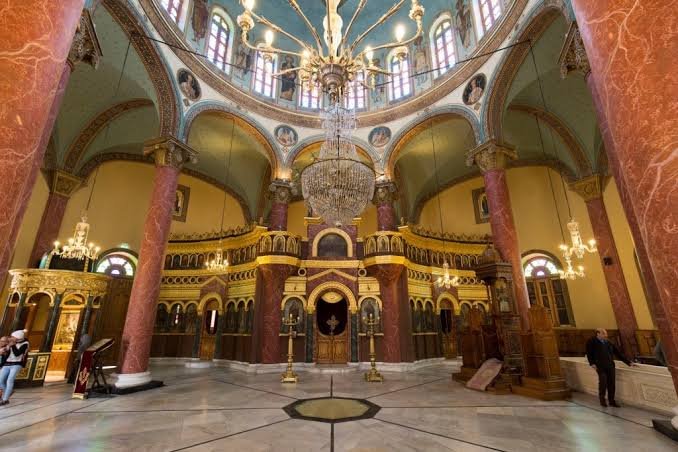
The Coptic Museum was founded in 1908 by Marcus Simaika Pasha, a visionary prominent Coptic figure who recognized the urgent need to collect, preserve, and showcase Egypt’s rapidly disappearing Christian heritage. Built on land donated by the Coptic Orthodox Church, the museum was officially inaugurated in 1910 and later became a state national museum in 1931.
The Coptic Museum’s location itself is a living piece of history. It is nestled within the walls of the ancient Roman Fortress of Babylon, directly adjacent to some of Egypt’s oldest and most sacred Christian sites, including the famous Hanging Church and the Church of St. Sergius and Bacchus.
Over the decades, the Coptic Museum has expanded to house over 16,000 priceless masterworks. It serves as a profound monument to the resilience of Egypt’s Coptic community, which traces its roots directly back to the first century CE when Saint Mark the Evangelist brought Christianity to Alexandria.
Continue Reading: More Egypt Travel Guides :
- Alexandria National Museum – Bright Egypt Travel
- Ultimate Guide to Souk Al-Khayamiya,Cairo 2026
Architectural Style, Location & How to Get There at the Coptic Museum
The Coptic Museum is located within the famous Babylon Fortress area in Old Cairo (Maser El-Qadima), historically known as the Multi-Religious Compound.
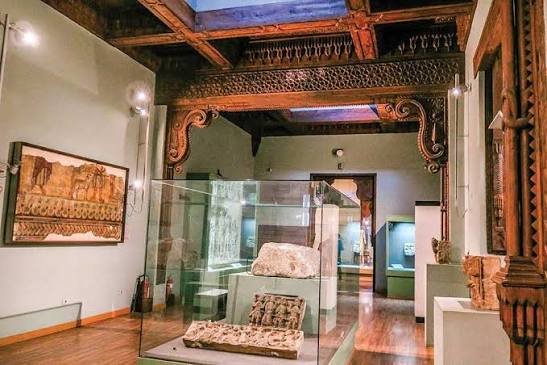
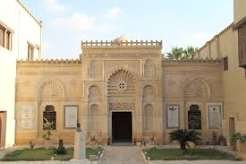
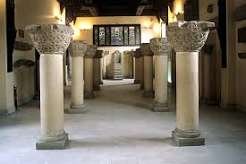
Architecturally, the building housing the Coptic Museum is a stunning work of art in its own right. Simaika Pasha deliberately designed the museum to blend seamlessly with Cairo’s rich heritage, incorporating magnificent carved wooden ceilings, beautiful stained-glass windows, and intricate wooden Mashrabiya screens salvaged from elite 18th-century Coptic and Islamic residences. The result is a highly atmospheric space where the architecture beautifully mirrors the multicultural artifacts displayed within.
How to Get There:
-
Google Maps Link: Easily find the compound by searching for “The Coptic Museum, Old Cairo” on Google Maps to reach the Coptic Museum.
-
By Metro: The absolute easiest and fastest way to travel to the Coptic Museum. Take Line 1 directly to the Mar Girgis (St. George) Metro Station. The Coptic Museum entrance is located just a few steps directly outside the station doors.
-
By Rideshare/Taxi: Book an Uber or hail a white taxi from your hotel, setting the destination directly to the Mar Girgis Metro Station/Coptic Museum main gates.
Inside the Venue: Must-See Highlights & Exhibits at the Coptic Museum
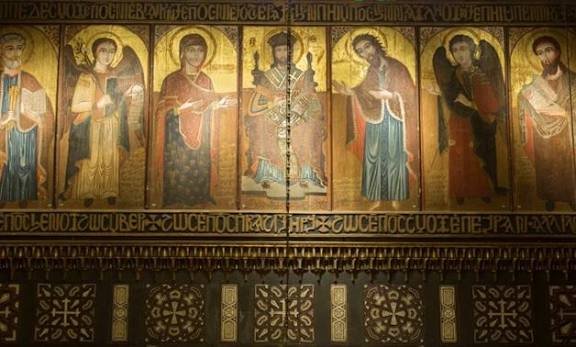
The Coptic Museum is split into two main wings (the Old Wing and the New Wing) connected by a beautiful inner courtyard. Here are the absolute highlights you cannot miss at the Coptic Museum:
-
The Masterpieces of Coptic Textiles Coptic weavers were globally famous in antiquity, and the textile galleries inside the Coptic Museum are legendary. On display are stunning, intricately woven tunics, tapestries, and burial shrouds made of linen and wool, featuring vibrant floral motifs, mythical beasts, and early Christian symbols that have retained their colors for over 1,500 years.
-
The Nag Hammadi Library Manuscripts One of the most valuable historical collections in the world housed at the Coptic Museum, these are rare 4th-century papyrus codices discovered bound in leather in Upper Egypt in 1945. They contain the primary surviving texts of Gnosticism and early Christian writings, offering an unmatched glimpse into the diverse spiritual thought of the early centuries.
-
Intricate Woodwork and Mashrabiyas The Coptic Museum features breathtaking displays of carved sycamore and pine woodwork. The crown jewel is a massive, beautifully preserved 4th-century wooden altar screen from the Church of Saint Barbara, showing exquisite geometric patterns and early Christian iconography.
-
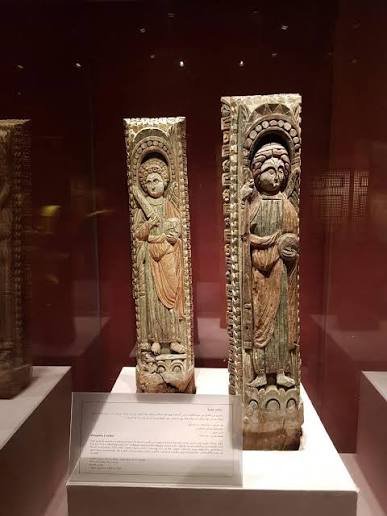
Majestic Frescoes and Stone Architecture Stroll through halls in the Coptic Museum filled with monumental limestone carvings, elegant pediments, and vivid wall frescoes rescued from ancient desert monasteries, such as the Monastery of Saint Apollo at Bawit. These artworks show the fascinating evolution from pagan symbols (like the Ankh transforming into the Christian Cross) to classic biblical scenes.
Your Next Egyptian Adventure Starts Here :
- Old Cairo 2026 | Must-See Historic Sites & Visitor Guide
- Ultimate Guide to Aswan Attractions & Nile Wonders
- Jewish Synagogue Ben Ezra Cairo | Guide 2026
Smart Traveler Guide: Opening Hours & Tickets for the Coptic Museum
-
Opening Hours: Open daily from 9:00 AM to 5:00 PM at the Coptic Museum (The ticket office closes at 4:15 PM).
-
Best Time to Visit: Arrive at 10:00 AM at the Coptic Museum to enjoy the quietest hours. The morning sun shining through the colored stained-glass windows and historic wooden Mashrabiyas creates an absolute paradise for photography.
Ticket Prices & Discounts:
-
International Adults: 230 EGP (Approx. €4.50 – €5.00) for admission to the Coptic Museum.
-
International Students: 115 EGP (With a valid International Student Identity Card – ISIC) at the Coptic Museum.
-
Note: Tickets grant access to the entire Coptic Museum grounds, the outdoor courtyards, and the public exhibition rooms.
Visitor Guidelines, Etiquette & Safety at the Coptic Museum
-
Dress Code: Modest, respectful clothing is required at the Coptic Museum, as the museum shares its secure courtyard with active historical churches. Shoulders and knees should be fully covered for both men and women.
-
Photography Rules: Photography for personal use via smartphones is fully permitted and free throughout the Coptic Museum halls. However, no flash photography is allowed to prevent the degradation of fragile ancient textiles and rare papyrus manuscripts. Commercial camera setups and tripods require a paid permit.
-
Prohibited Items: Large luggage bags, sharp objects, open food containers, and commercial drone equipment are strictly banned within the secure historic compound of the Coptic Museum.
-
Safety & Security: The entire Old Cairo multi-religious area surrounding the Coptic Museum is highly secure, featuring military-grade perimeter checkpoints, modern X-ray baggage scanners, and regular patrols by the Egyptian Tourism Police.
Monument Services & Amenities at the Coptic Museum
-
Clean Facilities: Modern, regularly cleaned public restrooms are available on the ground floor of the new wing at the Coptic Museum.
-
Gift Shop: A small, curated bookstore and souvenir shop stands near the main exit of the Coptic Museum, offering high-quality replicas of Coptic art, informative guidebooks, and local crafts.
-
Parking: There is no dedicated public parking inside the tight historic alleys near the Coptic Museum. Visitors arriving by car should park in the managed public lots located near the main road outside the Mar Girgis complex.
-
Cafes & Dining: A peaceful, open-air café lounge is located within the lush Coptic Museum gardens, serving freshly brewed coffee, traditional teas, cold sodas, and light snacks.
-
Accessibility for People of Determination: The ground floor galleries and central courtyards of the Coptic Museum are flat and wheelchair accessible. However, accessing the upper floor galleries requires taking historical stairs, as elevators are limited.
Insider Tips from Bright Egypt Travel for the Coptic Museum
-
The Symbol Evolution Tour: Challenge yourself to look closely at the early stone carvings in Room 3 of the Coptic Museum. You can clearly see how early Egyptian Christians smoothly adapted the Pharaonic Ankh (the key of life) into the Christian cross—a beautiful display of cultural continuity.
-
The Garden Court Sanctuary: After exploring the indoor exhibits at the Coptic Museum, spend 20 minutes relaxing in the museum’s central courtyard garden. Surrounded by roaring fountains, lush greenery, and stunning Islamic-style architecture, it is one of the most peaceful spots in all of Cairo.
Perfect Day Itinerary: What to Do Nearby the Coptic Museum
Max out your cultural exploration with this highly recommended full-day Old Cairo itinerary featuring the Coptic Museum:
-
Morning (9:30 AM – 12:00 PM): Arrive early via metro and thoroughly explore the Coptic Museum.
-
Midday (12:00 PM – 2:00 PM): Walk right out the door of the Coptic Museum to explore the adjacent historical wonders: climb up into The Hanging Church, walk through the underground crypt of The Church of St. Sergius, and visit the historic Ben Ezra Synagogue.
-
Late Afternoon: Enjoy a 15-minute taxi ride from the Coptic Museum to the sweeping green lawns of Al-Azhar Park for a late lunch overlooking the historic skyline of Cairo at sunset.
Book Your Immersive Cairo Adventure Today at the Coptic Museum
True travel is about uncovering the vital chapters that shaped global civilization. Standing amidst the serene, sunlit courtyards of the Coptic Museum offers a profound, intimate look into Egypt’s rich, multicultural identity that you will never forget.
At Bright Egypt Travel, we specialize in crafting exclusive, deeply educational journeys tailored precisely to your passions. From arranging premium private transfers to pairing you with expert guides who know every hidden detail of the Coptic Museum and Old Cairo, we handle the logistics so you can absorb the magic.
-
Book Your Premium Guided Tour Now: +201032707611
-
Contact via WhatsApp: Connect directly with Bright Egypt Travel today and bring your Cairo historical dreams to life while visiting the Coptic Museum!


