
All About Muhammad Ali of Egypt Complete Guide

Muhammad Ali, often referred to as the Father of Modern Egypt, played a pivotal role in shaping the nation during the 19th century. His reign marked a transformative period characterized by extensive reforms that laid the foundation for modern statehood. From military campaigns to cultural advancements, Muhammad Ali’s influence extended across various facets of Egyptian society. This article delves into his early life, rise to power, significant reforms, military campaigns, and enduring legacy. Join us as we explore the life of this remarkable leader who changed the course of Egyptian history.
Early Life the Muhammad Ali
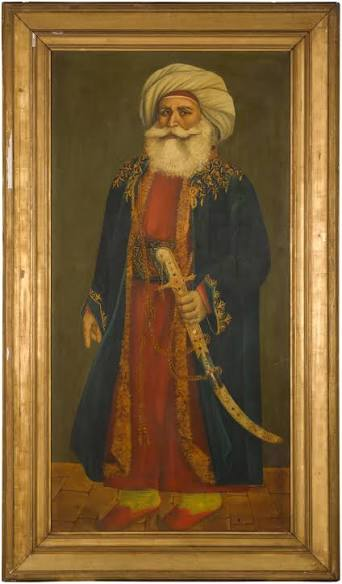
Muhammad Ali was born on March 4, 1769, in Kavala, a small town in present-day Albania. He was the son of a modest family, and his early life was shaped by the socio-political turmoil in the region. At a young age, Ali embarked on a military career, which would later define his life.
– Family Background: His family belonged to the Albanian nobility, providing him with a foundational understanding of leadership and governance.
– Military Beginnings: Ali joined the Ottoman army, where he quickly rose through the ranks due to his tactical skills and leadership qualities.
Ali’s early experiences in the military set the stage for his later accomplishments in Egypt, as he honed the skills necessary for leadership and governance.
Rise to Power the Muhammad Ali
Following the French occupation of Egypt, the power dynamics in the region underwent significant changes. In 1805, Muhammad Ali was appointed as Wāli (Governor) of Egypt, marking the beginning of his ascent to power.
– Post-French Occupation: The withdrawal of the French left a power vacuum, and Ali skillfully navigated the political landscape to secure his position.
– Elimination of Mamluk Leadership: One of his first actions as governor was to eliminate the Mamluk leaders, who had long held power in Egypt. This move established his authority and allowed him to implement his reforms without opposition.
Ali’s rise was marked by strategic alliances and decisive actions that consolidated his power and laid the groundwork for his ambitious reforms.
Continue Reading: More Egypt Travel Guides :
- Marsa Alam Travel Guide 2026 | Red Sea Beaches & Diving
- The Colossi of Memnon: Guardians of Ancient Egypt
- Ramses II Temple at Abu Simbel: The Ultimate Guide: History, Architecture, and Engineering Miracles – Bright Egypt Travel
Building the Egyptian State
Muhammad Ali’s vision for Egypt extended beyond mere governance; he aimed to build a modern Egyptian state. His reforms spanned military, economic, and cultural domains.
– Military Reforms: Ali established a modern army, trained in European tactics, which became crucial in asserting Egypt’s independence and expanding its territory.
– Economic Reforms: He nationalized land and established state monopolies over key industries, including textiles and agriculture. This economic restructuring aimed to boost productivity and generate revenue for the state.
– Cultural Reforms: Ali’s commitment to modernization included promoting education and the arts, leading to a cultural renaissance in Egypt.
These foundational changes significantly transformed Egypt’s socio-economic landscape, propelling it toward modernization.
Legal Reforms the Muhammad Ali
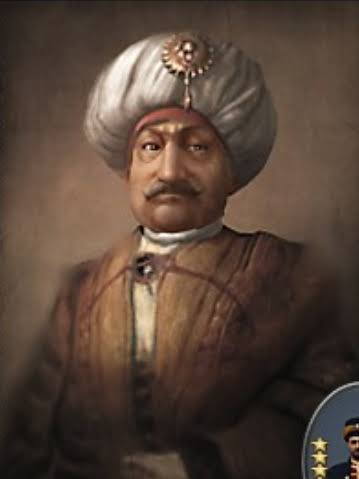
Muhammad Ali recognized the importance of a robust legal framework for a modern state. His legal reforms aimed to establish order and justice.
– Overhaul of the Legal System: Ali reformed the judiciary, introducing a more structured legal system that replaced outdated practices.
– Establishment of Law and Order: By enforcing laws and establishing a sense of justice, he aimed to create a stable environment conducive to growth and development.
These reforms were essential in building public trust and fostering a sense of security among the populace.
Education and Health Initiatives
One of Muhammad Ali’s significant contributions was his emphasis on education and public health, which were crucial for the development of a modern state.
– Founding of the School of Medicine for Women: Ali established the first medical school for women in the Middle East, recognizing the importance of female education in healthcare.
– Role of Hakimas in Public Health: The hakimas, or female healers, were trained to provide medical care to women and children, greatly improving public health standards.
These initiatives not only advanced medical knowledge but also promoted women’s roles in society, reflecting Ali’s forward-thinking approach.
Contribution to the Arabic Literary Renaissance
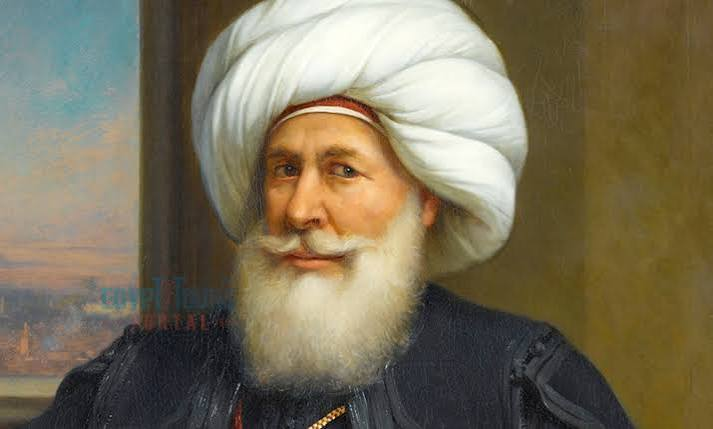
Muhammad Ali’s reign coincided with a cultural revival in Egypt, often referred to as the Arabic literary renaissance. His contributions in this area were significant.
– Promotion of Education and Culture: Ali established schools and institutions that promoted literacy and the arts, fostering a cultural awakening among Egyptians.
– Establishment of the Bulaq Press: This press played a critical role in disseminating literary works, newspapers, and educational material, making literature accessible to a broader audience.
Through these efforts, Ali not only enriched Egypt’s cultural landscape but also laid the foundations for a vibrant literary community.
Your Next Egyptian Adventure Starts Here :
- Temple of Hatshepsut: A Masterpiece of Ancient Egyptian Architecture
- The Tombs Of The Nobles in Luxor, Egypt
Military Campaigns the Muhammad Ali
Muhammad Ali’s ambition extended beyond Egypt; he sought to expand his influence through military campaigns across the region.
Arabian Campaign
Ali launched a campaign against the Saudi forces in the Arabian Peninsula, aiming to reassert Ottoman control and expand his influence.
– Conflict with Saudi Forces: The campaign was marked by significant battles, ultimately leading to the consolidation of power in the region.
Conquest of Sudan
From 1820 to 1824, Muhammad Ali conducted military operations in Sudan, seeking to annex the territory and exploit its resources.
– Overview of Military Operations: His forces successfully conquered key areas, establishing Egyptian control over Sudan and integrating it into the Egyptian administration.
Greek Rebellion
Ali’s involvement in the Greek War of Independence showcased his military ambitions in the Mediterranean.
– Egyptian Involvement: He sent troops to assist the Ottomans, though the conflict ultimately strained relations with European powers.
War Against the Ottoman Sultan
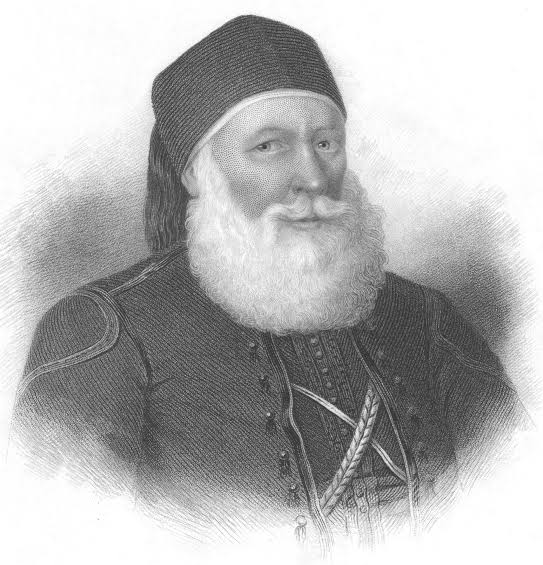
Ali’s aspirations eventually led to conflict with the Ottoman Sultan Mahmud II, as he sought greater autonomy for Egypt.
– Conflicts with Sultan Mahmud II: The tensions resulted in a series of battles, drawing European intervention and complicating the political landscape.
These military campaigns highlight Ali’s ambitions and the complexities of his interactions with both regional and European powers.
Final Years and Decline
In the latter part of his life, Muhammad Ali faced personal struggles and health issues that marked the decline of his rule.
– Personal Struggles: As he aged, Ali dealt with various health problems that affected his ability to govern.
– Ensuring Hereditary Rule: Despite his declining health, he worked to ensure that his descendants would inherit the throne, establishing a dynastic rule that lasted until 1952.
His final years were characterized by attempts to secure his legacy and the future of Egypt, even as his power waned.
Legacy and Impact
Muhammad Ali’s legacy is profound, with lasting effects on Egypt’s modern statehood. His reforms and vision fundamentally transformed the nation.
– Lasting Effects on Egypt’s Modern Statehood: His military, economic, and cultural reforms laid the groundwork for modern administration and governance.
– Dynastic Rule Until 1952: The dynasty he established continued to influence Egyptian politics for over a century, shaping the trajectory of the nation.
Ali’s impact extends beyond his lifetime, as his contributions to Egypt’s modernization continue to resonate in contemporary society.
Muhammad Ali’s remarkable journey from a military officer to the Father of Modern Egypt is a testament to his vision and leadership. His profound impact on military, economic, and cultural fronts laid the groundwork for a modern state that continues to evolve. As we reflect on his legacy, it becomes evident that his contributions are still felt in Egypt today. For further exploration of Muhammad Ali’s life and impact, we encourage you to delve deeper into this fascinating historical figure.
Book Your Luxury Egypt Adventure Today
True travel is about discovering the perfect balance between vibrant energy and elegant peace. Wandering through ancient, sunlit streets, watching timeless landscapes glide by, and standing atop breathtaking architectural landmarks offers a sophisticated look into a nation’s magnificent cultural renaissance.
At Bright Egypt Travel, we excel at turning standard sightseeing into deeply memorable, luxury cultural journeys. From handling all your private transfers in absolute comfort to pairing you with passionate expert guides, we manage the details so you can enjoy the pure magic.
Book Your Premium Guided Luxury Tour Now: +201032707611
Contact via WhatsApp: Connect directly with Bright Egypt Travel today and elevate your holiday to the height of luxury!


