
The Old Kingdom of Ancient Egypt (c. 2700-2200 BC)

The Old Kingdom of Ancient Egypt, often referred to as “The Age of the Pyramids,” marks a monumental era in the history of ancient Egypt, spanning approximately from 2686 to 2181 BCE. This period is distinguished by remarkable advancements in art, architecture, and governance, culminating in the construction of the iconic pyramids that continue to awe people today. The Old Kingdom represents the height of pharaonic power, characterized by the centralized authority of the pharaohs, who were revered as divine figures. In this article, we will delve into the dynasties that shaped this era, the cultural contributions made during this time, and the eventual decline that led to the First Intermediate Period.
Overview of the Old Kingdom
Definition and Historical Significance
Continue Reading: More Egypt Travel Guides :
- Aswan Botanical Garden: A Must-Visit Destination in Egypt – Bright Egypt Travel
- Explore Minya City, a historical and cultural gem in Upper Egypt, known for its rich history, archaeological treasures, and vibrant culture. – Bright Egypt Travel
The Old Kingdom of Ancient Egypt, spanning roughly from 2686 to 2181 BCE, is commonly referred to as the “Age of the Pyramids.” This period is defined by the peak of centralized pharaonic authority, where the king was regarded as both a political ruler and a divine figure. Its historical significance lies in the remarkable achievements in governance, art, and especially monumental architecture, including the construction of the pyramids. These developments not only symbolized royal power but also established enduring cultural and religious foundations, particularly beliefs about the afterlife that influenced later Egyptian history.
Key Characteristics of the Period
- Centralization of Power: The pharaohs held absolute power, considered both political and religious leaders.
- Architectural Innovation: The era witnessed the evolution of pyramid construction, leading to the creation of the Great Pyramid of Giza.
- Cultural Flourishing: Advancements in art, writing (hieroglyphics), and religious practices characterized life during the Old Kingdom.
The Dynasties of the Old Kingdom
The Beginning: Third Dynasty (c. 2650-2613 BCE)
The Third Dynasty is often recognized as the foundation of the Old Kingdom. It was during this time that the pharaoh Djoser commissioned the construction of the Step Pyramid at Saqqara, designed by his vizier, Imhotep. This innovation marked a significant shift in burial practices, moving away from simple mastabas to more complex pyramid structures.
Key Figures: Djoser and the Step Pyramid
- Djoser: The first pharaoh of the Third Dynasty, credited with significant architectural and administrative reforms.
- Imhotep: Djoser’s vizier, regarded as the first architect in history, whose innovative designs set the stage for future pyramid construction.
The Golden Age: Fourth Dynasty (2613-2494 BCE)
The Fourth Dynasty epitomized the zenith of the Old Kingdom. This period saw the construction of the most iconic pyramids, including the Great Pyramid of Giza, built by Pharaoh Khufu.
Major Pharaohs: Sneferu, Khufu, Khafre, and Menkaura
- Sneferu: Known for refining pyramid construction techniques, he built the Bent Pyramid and the Red Pyramid.
- Khufu: His reign is marked by the construction of the Great Pyramid, one of the Seven Wonders of the Ancient World.
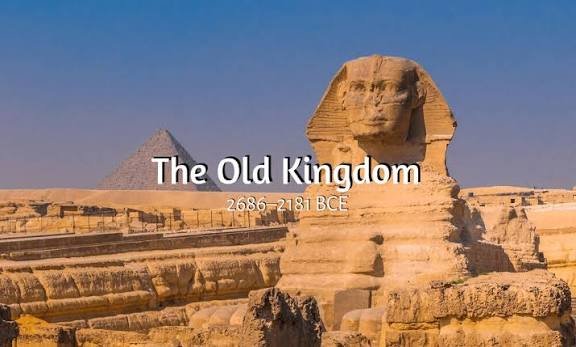
- Khafre: The son of Khufu, he built the second pyramid at Giza and is often associated with the Great Sphinx.
- Menkaura: Known for the smallest of the three main pyramids at Giza, his reign continued the architectural traditions of his predecessors.

Architectural Achievements: The Pyramids of Giza
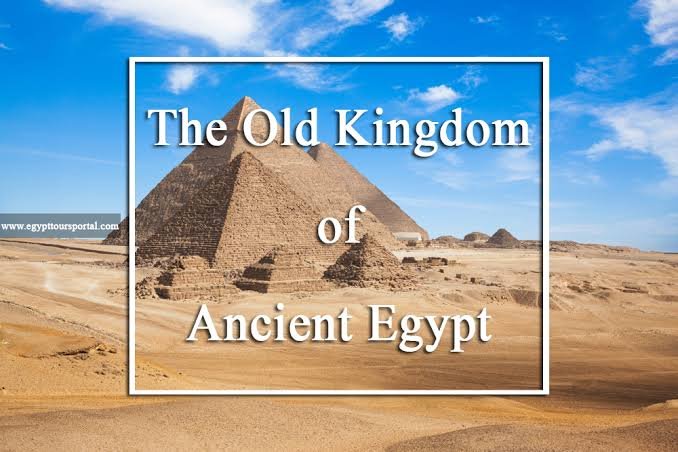
The Pyramids of Giza symbolize the architectural prowess of the Egyptians during the Old Kingdom. Each pyramid served as a monumental tomb, reflecting the pharaoh’s power and divine status. The construction of these structures required advanced knowledge of mathematics, engineering, and labor organization.
Religious Changes: Fifth Dynasty (2494-2345 BCE)
The Fifth Dynasty introduced significant changes in religious practices, with a growing emphasis on the worship of the sun god Ra.
Rise of the Sun God Ra and the Cult of Osiris
- Ra: As the supreme deity during this period, Ra’s worship led to the construction of temples and solar pyramids.
- Osiris: The god of the afterlife became increasingly important, leading to new funerary texts and practices that focused on the afterlife.
Decline and Collapse: The Sixth Dynasty (2345-2181 BCE)
The Sixth Dynasty witnessed a gradual decline in centralized power, attributed to several factors, including civil strife and environmental challenges.
Factors Contributing to Decline: Civil Strife and Drought
- Civil Strife: The long reign of Pepi II led to succession issues and weakened the authority of the pharaoh.
- Environmental Factors: A severe drought and subsequent famine significantly impacted agricultural productivity, leading to unrest and regional power struggles.
Your Next Egyptian Adventure Starts Here :
- Sharm El-Sheikh | A Premier Destination of Adventure, Culture, and Peace
- Queen Cleopatra of Egypt
- Temple of Khonsu: Ancient Marvel of Theban Architecture – Bright Egypt Travel
The First Intermediate Period
Overview and Historical Context
The transition from the Old Kingdom to the First Intermediate Period was driven by a combination of political, environmental, and social factors. The later years of the Sixth Dynasty saw a decline in centralized power, partly due to the long reign of Pepi II, which created succession issues and weakened royal authority. At the same time, environmental challenges such as drought and famine reduced agricultural productivity, leading to unrest and regional instability. As central control diminished, local rulers gained influence, and competing dynasties—such as those in Memphis, Heracleopolis, and Thebes—emerged. These developments ultimately led to political fragmentation and marked the beginning of the First Intermediate Period.
Key Events Leading to the Transition
The transition from the Old Kingdom to the First Intermediate Period was driven by a combination of political, environmental, and social factors. The later years of the Sixth Dynasty saw a decline in centralized power, partly due to the long reign of Pepi II, which created succession issues and weakened royal authority. At the same time, environmental challenges such as drought and famine reduced agricultural productivity, leading to unrest and regional instability. As central control diminished, local rulers gained influence, and competing dynasties—such as those in Memphis, Heracleopolis, and Thebes—emerged. These developments ultimately led to political fragmentation and marked the beginning of the First Intermediate Period.
The Seventh and Eighth Dynasties at Memphis
Little is known about the rulers of the Seventh and Eighth Dynasties, but they are believed to have struggled to maintain control over Egypt from Memphis. Their reigns were marked by instability and lack of centralized authority.
The Heracleopolitan Kings
The Heracleopolitan kings rose to power during the Ninth and Tenth Dynasties. While they initially brought some order, their rule was often marred by violence and competition with the Theban kings.
The Theban Kings
The Theban kings, emerging from Upper Egypt, gradually gained power and influence, culminating in the eventual reunification of Egypt under the Eleventh Dynasty.
Cultural Contributions of the Old Kingdom
Art and Architecture
The Old Kingdom was a period of remarkable artistic achievement, characterized by monumental architecture and intricate sculptures.
Sculpture and Reliefs
- Statues: Life-sized statues and intricate reliefs were prevalent, often depicting pharaohs, deities, and daily life.
- Funerary Art: Tombs were adorned with scenes depicting the deceased’s life and offerings to ensure a prosperous afterlife.
Hieroglyphics and Their Evolution
Hieroglyphics flourished during the Old Kingdom, evolving into a complex writing system that conveyed religious, administrative, and literary texts.
Daily Life in Ancient Egypt
Daily life during the Old Kingdom was marked by a structured social hierarchy and a thriving economy.
Social Structure and Economy
- Social Hierarchy: The pharaoh sat atop the social structure, followed by nobles, priests, artisans, and farmers.
- Economy: Agriculture formed the backbone of the economy, supported by the annual flooding of the Nile, which ensured fertile land for crops.
Legacy of the Old Kingdom
Impact on Subsequent Egyptian History
The Old Kingdom set the stage for the Middle Kingdom and subsequent periods, with its architectural and cultural achievements leaving a lasting legacy. The reverence for the pharaoh and the belief in the afterlife continued to shape Egyptian civilization.
Modern Perception and Cultural Significance
Today, the Old Kingdom is celebrated for its monumental achievements, with the pyramids of Giza standing as a testament to the ingenuity and power of ancient Egypt. The period remains a focal point of interest for historians, archaeologists, and tourists alike.
The Old Kingdom of Ancient Egypt remains a defining era in the history of one of the world’s most fascinating civilizations. Characterized by monumental architecture, remarkable cultural achievements, and a centralized authority, this period laid the groundwork for future dynasties and left an indelible mark on Egyptian history. As we continue to uncover the mysteries of ancient Egypt, the legacy of the Old Kingdom serves as a testament to human ingenuity and the enduring quest for immortality. For those intrigued by ancient history, exploring the wonders of the Old Kingdom is an invitation to journey back in time and experience the grandeur of a civilization that shaped the course of human history.


